Dhaka 10:57 am, Saturday, 28 February 2026

Garment and textile industry divided over India’s new yarn import duties

Staff Correspondent :
  • Update Time : 09:45:45 am, Friday, 9 January 2026
  • / 225 Time View

Bangladesh’s textile and garment sector is sharply divided over the government’s plan to impose a 20% safeguard duty on yarn imports from India to protect domestic spinning mills. The move has already encountered resistance at an early stage, reflecting tensions between local yarn producers and garment exporters.

Leaders of the Bangladesh Textile Mills Association (BTMA) argue that Indian spinning mills, benefiting from government subsidies, are exporting yarn to Bangladesh at lower prices, undercutting local mills. As a result, sales of domestic yarn have fallen, causing financial stress and, in some cases, temporary mill closures. BTMA has requested the government to implement a safeguard duty, along with 10% cash incentives and other support measures to help local mills survive.

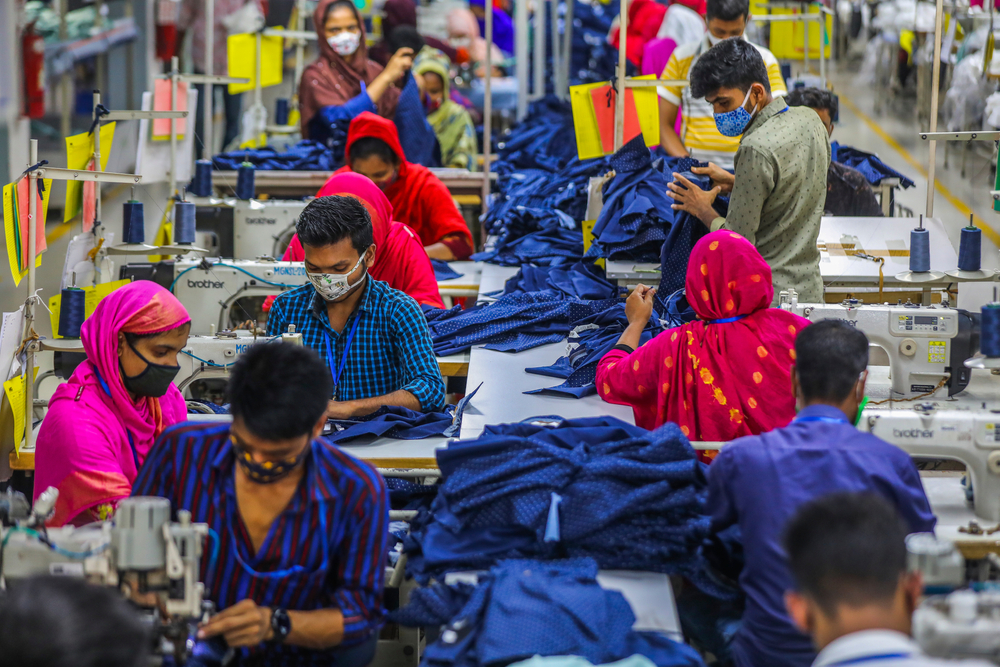
On the other hand, garment industry leaders, including those from the Bangladesh Garment Manufacturers and Exporters Association (BGMEA) and the Bangladesh Knitwear Manufacturers and Exporters Association (BKMEA), warn that imposing restrictions on Indian yarn could hurt the competitiveness of Bangladesh’s export-oriented ready-made garment (RMG) sector. Bangladeshi garment factories rely heavily on imported yarn to maintain cost efficiency. For example, one kilogram of 30-count yarn is sold by local mills for about $3, while Indian producers sell it at $2.60. The lower price of Indian yarn makes it the preferred choice for many RMG manufacturers.

BTMA President Shawkat Aziz said last month that massive volumes of inexpensive yarn from India are flooding the market, leaving nearly BDT 12,000 crore worth of domestic yarn unsold. He urged the government to impose safeguard measures and provide financial assistance to protect local spinning mills.

Responding to the concerns of the garment industry, BKMEA President Mohammad Hatem emphasized that while they support protecting domestic mills, shutting down local spinning facilities could ultimately harm garment exporters. He called for balanced policy support from the government.

Political and diplomatic tensions between Bangladesh and India have complicated the issue. In April of last year, the Bangladeshi government stopped yarn imports through land borders, allowing shipments only by sea. India subsequently imposed restrictions on the export of Bangladeshi products through its land ports in three phases.

On December 29, BTMA submitted a letter to the Bangladesh Trade and Tariff Commission requesting either a 20% safeguard duty on 100% cotton yarn and 10–30 count blended yarn imports from India or a halt on bonded imports. Following the submission, the Commission met BTMA representatives on January 5. BGMEA and BKMEA submitted objections to the Commission the next day, claiming the process was moving forward without considering their positions. A joint meeting with all stakeholders was held on Thursday, chaired by the Commission’s acting chairman Abdul Gafur.

During the meeting, BTMA leaders, including Vice President Shamim Islam, presented arguments supporting safeguard duties, while leaders from BGMEA and BKMEA, including Selim Rahman and Fazle Shamim Ehsan, opposed the proposal. The meeting concluded without a decision, but the Commission said it would conduct a study on the issue. Both sides confirmed that, as the matter is still in preliminary stages, the Commission has requested no media statements.

Sources say that earlier, BGMEA and BKMEA leaders had reached a consensus with BTMA to request safeguard duties on 10–28 count yarn. However, BTMA eventually asked for a safeguard on 10–30 count yarn, which is more commonly used in the garment sector. This shift prompted BGMEA and BKMEA to take opposing positions.

Former Trade and Tariff Commission member Mostafa Abid Khan said that safeguard duties cannot legally be imposed on imports from a single country alone—they would need to apply to all countries. He added that products brought under bond or raw materials are not subject to such duties, and any action must comply with the law to avoid complications. Khan also cautioned that RMG exports have been declining for the past five months, and any measures that could disrupt exports should be carefully considered before implementation.

Tag :

Please Share This Post in Your Social Media

Garment and textile industry divided over India’s new yarn import duties

Update Time : 09:45:45 am, Friday, 9 January 2026

Bangladesh’s textile and garment sector is sharply divided over the government’s plan to impose a 20% safeguard duty on yarn imports from India to protect domestic spinning mills. The move has already encountered resistance at an early stage, reflecting tensions between local yarn producers and garment exporters.

Leaders of the Bangladesh Textile Mills Association (BTMA) argue that Indian spinning mills, benefiting from government subsidies, are exporting yarn to Bangladesh at lower prices, undercutting local mills. As a result, sales of domestic yarn have fallen, causing financial stress and, in some cases, temporary mill closures. BTMA has requested the government to implement a safeguard duty, along with 10% cash incentives and other support measures to help local mills survive.

On the other hand, garment industry leaders, including those from the Bangladesh Garment Manufacturers and Exporters Association (BGMEA) and the Bangladesh Knitwear Manufacturers and Exporters Association (BKMEA), warn that imposing restrictions on Indian yarn could hurt the competitiveness of Bangladesh’s export-oriented ready-made garment (RMG) sector. Bangladeshi garment factories rely heavily on imported yarn to maintain cost efficiency. For example, one kilogram of 30-count yarn is sold by local mills for about $3, while Indian producers sell it at $2.60. The lower price of Indian yarn makes it the preferred choice for many RMG manufacturers.

BTMA President Shawkat Aziz said last month that massive volumes of inexpensive yarn from India are flooding the market, leaving nearly BDT 12,000 crore worth of domestic yarn unsold. He urged the government to impose safeguard measures and provide financial assistance to protect local spinning mills.

Responding to the concerns of the garment industry, BKMEA President Mohammad Hatem emphasized that while they support protecting domestic mills, shutting down local spinning facilities could ultimately harm garment exporters. He called for balanced policy support from the government.

Political and diplomatic tensions between Bangladesh and India have complicated the issue. In April of last year, the Bangladeshi government stopped yarn imports through land borders, allowing shipments only by sea. India subsequently imposed restrictions on the export of Bangladeshi products through its land ports in three phases.

On December 29, BTMA submitted a letter to the Bangladesh Trade and Tariff Commission requesting either a 20% safeguard duty on 100% cotton yarn and 10–30 count blended yarn imports from India or a halt on bonded imports. Following the submission, the Commission met BTMA representatives on January 5. BGMEA and BKMEA submitted objections to the Commission the next day, claiming the process was moving forward without considering their positions. A joint meeting with all stakeholders was held on Thursday, chaired by the Commission’s acting chairman Abdul Gafur.

During the meeting, BTMA leaders, including Vice President Shamim Islam, presented arguments supporting safeguard duties, while leaders from BGMEA and BKMEA, including Selim Rahman and Fazle Shamim Ehsan, opposed the proposal. The meeting concluded without a decision, but the Commission said it would conduct a study on the issue. Both sides confirmed that, as the matter is still in preliminary stages, the Commission has requested no media statements.

Sources say that earlier, BGMEA and BKMEA leaders had reached a consensus with BTMA to request safeguard duties on 10–28 count yarn. However, BTMA eventually asked for a safeguard on 10–30 count yarn, which is more commonly used in the garment sector. This shift prompted BGMEA and BKMEA to take opposing positions.

Former Trade and Tariff Commission member Mostafa Abid Khan said that safeguard duties cannot legally be imposed on imports from a single country alone—they would need to apply to all countries. He added that products brought under bond or raw materials are not subject to such duties, and any action must comply with the law to avoid complications. Khan also cautioned that RMG exports have been declining for the past five months, and any measures that could disrupt exports should be carefully considered before implementation.