**World Cup Final: India’s Smart Moves and Where New Zealand Went Wrong**

- Update Time : 07:38:16 am, Monday, 9 March 2026
- / 200 Time View
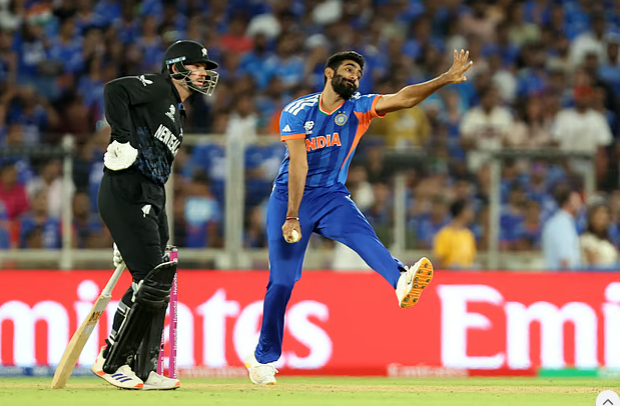

The ICC Men’s T20 World Cup final in Ahmedabad turned out to be a largely one-sided contest. After posting 255 for 5, India national cricket team bowled out the New Zealand national cricket team for 159, securing a convincing 96-run victory. While India played outstanding cricket, several tactical decisions and missed opportunities from New Zealand also influenced the outcome.
Selection Choice: Neesham Over McConchie
New Zealand’s most effective bowler in the final was Jimmy Neesham, who claimed three wickets in the 16th over. However, by the time he struck, India had already crossed the 200-run mark. One key decision before the match was leaving out off-spinner Cole McConchie. In the semifinal, McConchie had made an early impact with two quick wickets against South Africa national cricket team. Considering that Abhishek Sharma had struggled against off-spin earlier in the tournament, McConchie might have been a useful option in the final.
Early Bowling Change Backfires
India scored only 12 runs in the first two overs. At that point, captain Mitchell Santner replaced Matt Henry with Jacob Duffy. Duffy had not played since the group stage and had limited success earlier in the tournament. The move didn’t work as India scored 15 runs in that over, including Abhishek Sharma’s first boundary, helping him accelerate toward a quick fifty and giving India strong momentum.
Too Many Wide Deliveries
New Zealand’s bowlers tried to bowl well outside the off stump early in the innings, but the tactic produced too many wides. Duffy, Lockie Ferguson, and Henry collectively delivered several wides during the powerplay. Instead of creating pressure, these extras helped India pile up 92 runs in the first six overs, putting the Kiwi bowlers on the back foot.
Overuse of Slower Balls
The bowling attack also relied heavily on slower deliveries in the early overs. However, Indian batters like Sanju Samson and Abhishek Sharma read them easily and punished them with boundaries. After those attempts failed, New Zealand largely abandoned the tactic until the death overs.
Expensive Final Over
After 15 overs, India were 203 for 1. Jimmy Neesham’s triple-strike slowed the scoring briefly, but Santner chose him again for the final over instead of Ferguson or Duffy. That over went for 24 runs, pushing India beyond 250, which added significant psychological pressure on New Zealand’s chase.
India’s Smart Bowling Move
India also made clever tactical calls. Captain Suryakumar Yadav promoted Axar Patel to bowl early, targeting New Zealand’s right-handed batters. The move worked as Axar removed Finn Allen and Glenn Phillips, giving India early control of the match.
Using Bumrah to Increase Pressure
Another interesting move involved Jasprit Bumrah. Instead of saving most of his overs for the death, India used him earlier to maintain pressure after New Zealand lost quick wickets. The strategy helped keep the required run rate climbing rapidly, leaving the chasing side with an almost impossible task.
In the end, a mix of India’s strong execution and New Zealand’s questionable tactical decisions shaped the outcome of the final.