Dhaka 5:54 pm, Saturday, 28 March 2026

“Asif Mahmud Claims ‘Deep State’ Proposed Extending Tenure Until 2029”

Staff Correspondent:
  • Update Time : 03:38:05 am, Friday, 27 March 2026
  • / 36 Time View

Asif Mahmud Says ‘Deep State’ Proposed Extending Interim Government’s Rule Until 2029

Asif Mahmud Sajeeb Bhuiyan, an adviser to the interim government, has stated that influential actors—referred to as the “deep state”—had suggested that the administration remain in power until 2029. He added, however, that the proposal was ultimately rejected.

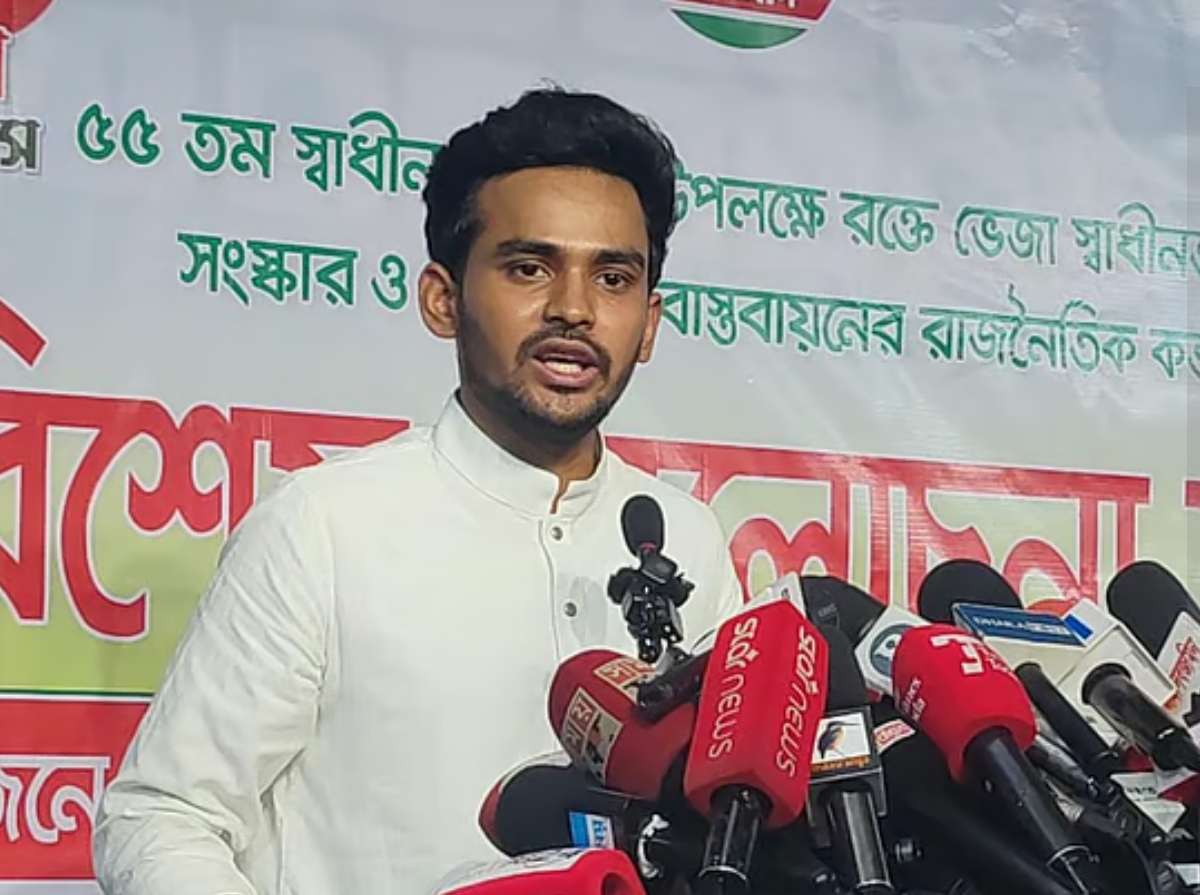
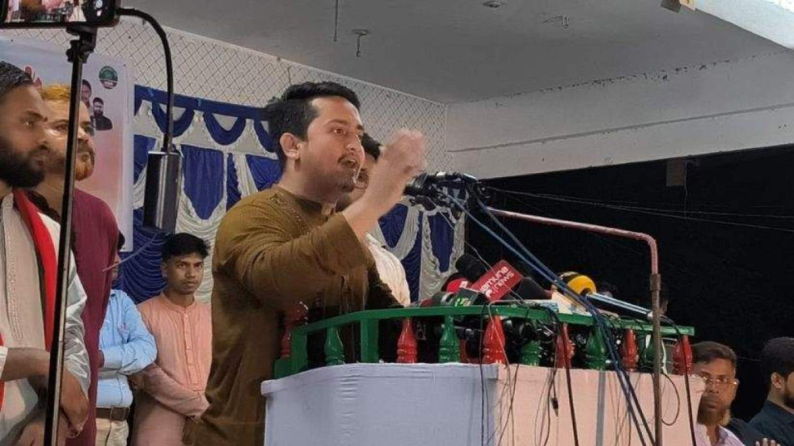
He made these remarks on Thursday afternoon while speaking at a discussion event held at the central office of the National Citizens Party (NCP) in Banglamotor, Dhaka, marking Independence Day. The event, titled “From Blood-Stained Independence to Reform and Referendum: The Political Responsibility of Implementation,” was organized by the party’s Dhaka South unit.

During his speech, Asif Mahmud explained that early in the interim government’s tenure, certain powerful institutions approached them with an offer. According to him, they were encouraged to remain in office for the remainder of Sheikh Hasina’s term, which runs until 2029, with assurances of support in return.

He further claimed that the proposal came with specific conditions, including facilitating certain interests and following a prepared political roadmap. This roadmap, he suggested, involved prolonging legal cases against BNP leaders through judicial processes, thereby limiting their ability to participate in elections. He mentioned that figures like Tarique Rahman could have been prevented from contesting if their convictions remained in effect.

Mahmud said that strategies for maintaining power were presented as part of a negotiated arrangement, but the interim government chose not to accept them. He emphasized that their priority was to uphold democratic principles, which is why elections were held and why they stepped down voluntarily to ensure the process was not questioned.

He also alleged that individuals who held key roles in the interim government later became ministers under a BNP-led administration, suggesting that the electoral playing field may have been compromised.

Addressing the BNP government, Mahmud accused it of undermining the spirit of the July movement and its associated commitments soon after coming to power. He warned that ignoring public mandates has historically led to negative consequences for those in power.

Other speakers at the event included NCP leader Sarwar Tushar and National Youth Force convener Tarikul Islam, among others.


Tag :

Please Share This Post in Your Social Media

“Asif Mahmud Claims ‘Deep State’ Proposed Extending Tenure Until 2029”

Update Time : 03:38:05 am, Friday, 27 March 2026

Asif Mahmud Says ‘Deep State’ Proposed Extending Interim Government’s Rule Until 2029

Asif Mahmud Sajeeb Bhuiyan, an adviser to the interim government, has stated that influential actors—referred to as the “deep state”—had suggested that the administration remain in power until 2029. He added, however, that the proposal was ultimately rejected.

He made these remarks on Thursday afternoon while speaking at a discussion event held at the central office of the National Citizens Party (NCP) in Banglamotor, Dhaka, marking Independence Day. The event, titled “From Blood-Stained Independence to Reform and Referendum: The Political Responsibility of Implementation,” was organized by the party’s Dhaka South unit.

During his speech, Asif Mahmud explained that early in the interim government’s tenure, certain powerful institutions approached them with an offer. According to him, they were encouraged to remain in office for the remainder of Sheikh Hasina’s term, which runs until 2029, with assurances of support in return.

He further claimed that the proposal came with specific conditions, including facilitating certain interests and following a prepared political roadmap. This roadmap, he suggested, involved prolonging legal cases against BNP leaders through judicial processes, thereby limiting their ability to participate in elections. He mentioned that figures like Tarique Rahman could have been prevented from contesting if their convictions remained in effect.

Mahmud said that strategies for maintaining power were presented as part of a negotiated arrangement, but the interim government chose not to accept them. He emphasized that their priority was to uphold democratic principles, which is why elections were held and why they stepped down voluntarily to ensure the process was not questioned.

He also alleged that individuals who held key roles in the interim government later became ministers under a BNP-led administration, suggesting that the electoral playing field may have been compromised.

Addressing the BNP government, Mahmud accused it of undermining the spirit of the July movement and its associated commitments soon after coming to power. He warned that ignoring public mandates has historically led to negative consequences for those in power.

Other speakers at the event included NCP leader Sarwar Tushar and National Youth Force convener Tarikul Islam, among others.