US Court Strikes Down Visa Freeze Affecting Bangladesh and 74 Other Countries

- Update Time : 08:14:21 am, Saturday, 22 August 2026
- / 243 Time View
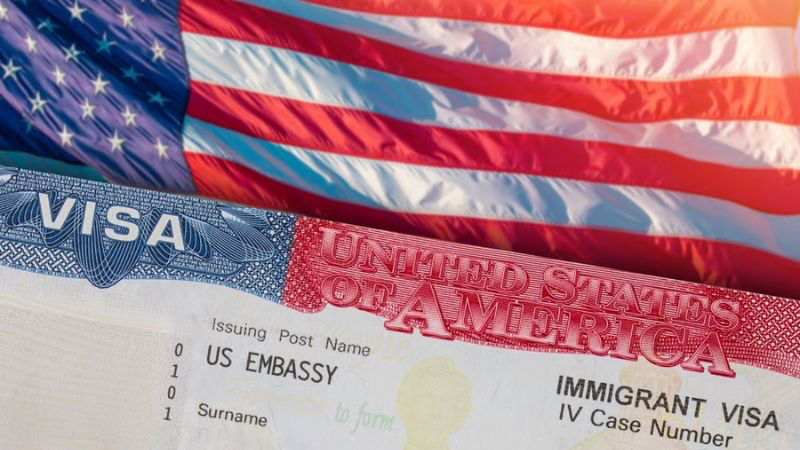

A U.S. federal court has overturned a policy that suspended immigrant visa processing for citizens of 75 countries, including Bangladesh, ruling that the measure exceeded the legal authority of the U.S. State Department.
In a decision issued Friday, Judge Janet Vargas of the U.S. District Court in Manhattan found that the policy, introduced earlier this year, conflicted with federal immigration law and unlawfully restricted visa access based solely on nationality.
Court Says Blanket Restrictions Were Illegal
The ruling stated that U.S. immigration law grants consular officers—not the Secretary of State—the authority to evaluate immigrant visa applications on a case-by-case basis.
According to the court, imposing a broad suspension on applicants from dozens of countries without individual assessment went beyond the powers granted under existing law.
Judge Vargas described the policy as inconsistent with the legal framework governing immigrant visa decisions and said nationality alone could not be used as the basis for a blanket visa ban.
Bangladesh Among Countries Affected
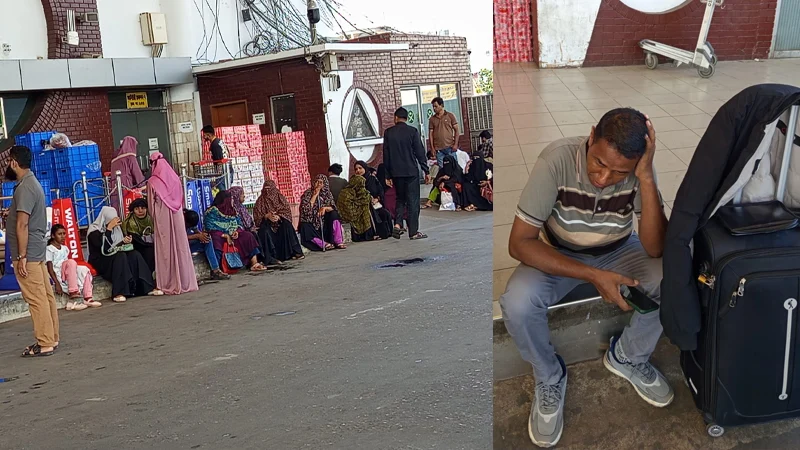
The suspended visa program impacted nationals from Bangladesh, Pakistan, Brazil, Colombia, Uruguay, Bosnia, Albania, and many other countries across Asia, Africa, Latin America, the Caribbean, and the Middle East.
The U.S. administration had argued that applicants from these countries were statistically more likely to depend on government assistance programs after arriving in the United States, justifying a temporary halt to immigrant visa approvals.
The court rejected that reasoning, concluding that immigration authorities must evaluate applicants individually rather than imposing restrictions on entire nationalities.
Rights Groups Challenged the Policy
The lawsuit was brought by immigrant-rights organizations, including the Catholic Legal Immigration Network and African Communities Together, along with affected applicants and U.S. citizens seeking visas for family members.
Advocates argued that the policy unfairly discriminated against people based on national origin and created significant barriers for families seeking legal immigration pathways.
What Happens Next?
The decision is being viewed as one of the most significant judicial setbacks to recent U.S. immigration restrictions. Unless overturned on appeal, immigrant visa processing for affected countries could resume under standard legal procedures.
The U.S. State Department had not issued an immediate response following the ruling.
Why It Matters
For thousands of families, workers, and immigrants from Bangladesh and other affected nations, the ruling may reopen pathways that had been frozen under the controversial policy. Legal experts say the case also reinforces limits on executive authority in immigration matters and underscores the role of courts in reviewing broad immigration restrictions.