JD Vance Positions Himself for 2028 Presidential Race After Republican Midterm Defeat

- Update Time : 02:39:37 pm, Saturday, 7 November 2026
- / 9 Time View
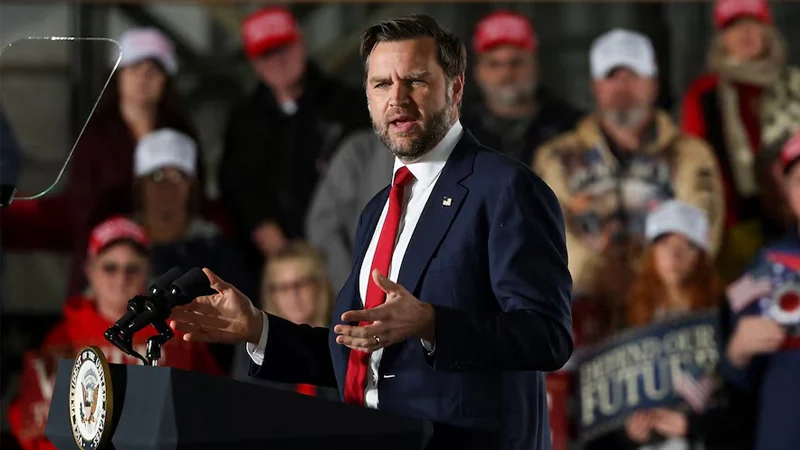

US Vice President JD Vance is strengthening his political profile ahead of the 2028 presidential election following the Republican Party’s major setbacks in the midterm elections. He is seeking to establish an independent political identity on issues including the economy, foreign policy and public safety, moving beyond the shadow of President Donald Trump.
According to a Reuters analysis, Trump’s declining popularity toward the end of the election campaign negatively affected Republican candidates. Against this backdrop, Vance avoided some of Trump’s most controversial policies, particularly his positions on the Iran war and immigration, and instead highlighted his own political agenda.
After reviewing six speeches Vance delivered following the Republican Party convention in September, Reuters reported that he placed greater emphasis on economic nationalism, a restrained foreign policy and public safety. His advisers believe these positions could appeal to voters.
The 42-year-old vice president has not announced any intention to run in 2028, and Trump has yet to endorse him. Nevertheless, Vance is already being discussed as a potential Republican presidential candidate. His biggest challenge will be retaining Trump’s support base while distancing himself from the president’s political controversies and negative public image.
In a social media post on Wednesday following the election, Vance outlined what he believed were the reasons behind the Republican defeat. He identified the Iran war as one of the contributing factors and called for an end to the conflict. He also urged the party to address the rising cost of living, reassess its foreign policy and reconsider Washington’s relationship with Israel.
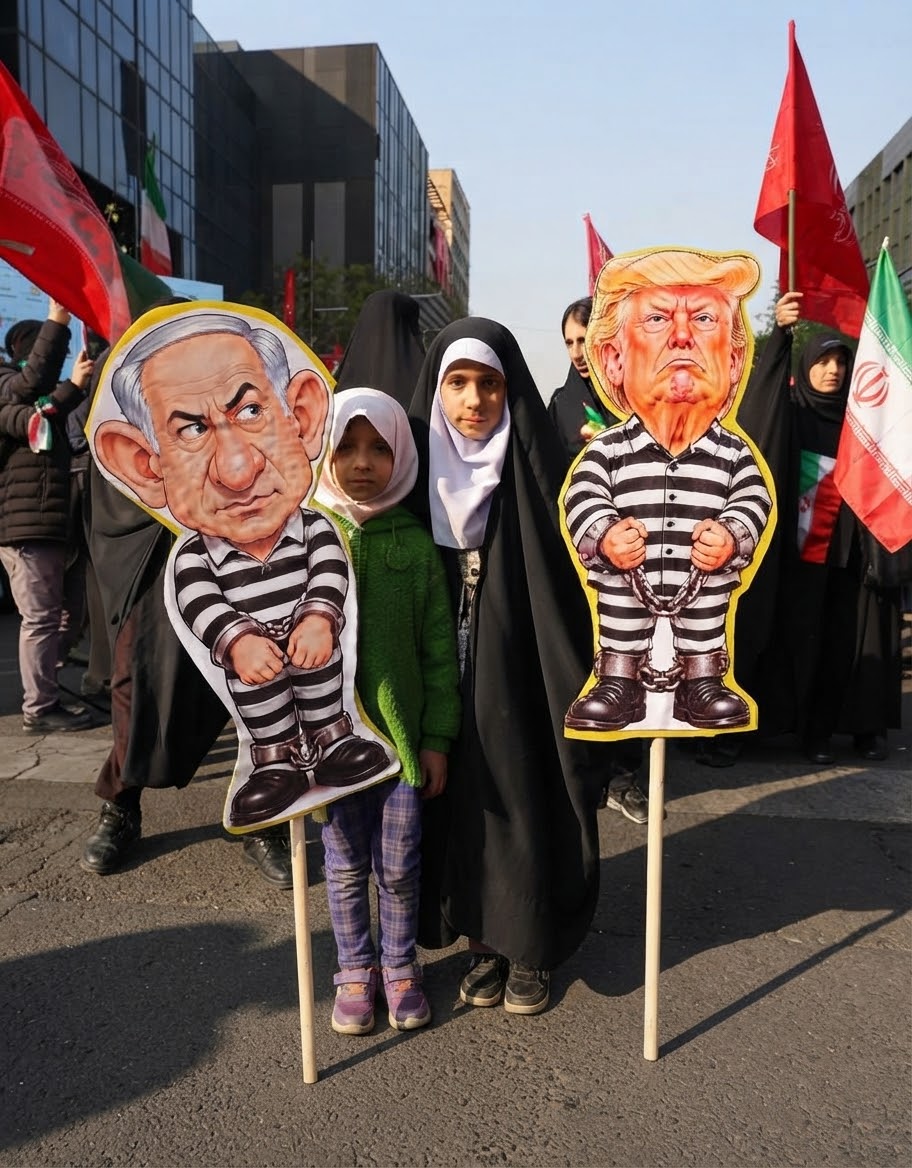
The post marked the first time Vance had publicly advocated ending the Iran war. Israeli Prime Minister Benjamin Netanyahu played a role in the events leading to the conflict. Trump subsequently ordered strikes on Iran and later expressed support for Netanyahu in Israel’s election.
However, three people familiar with communications between the White House and Vance’s team told Reuters that his remarks did not signal a disagreement with Trump. White House Chief of Staff Susie Wiles was also aware of the post before it was published.
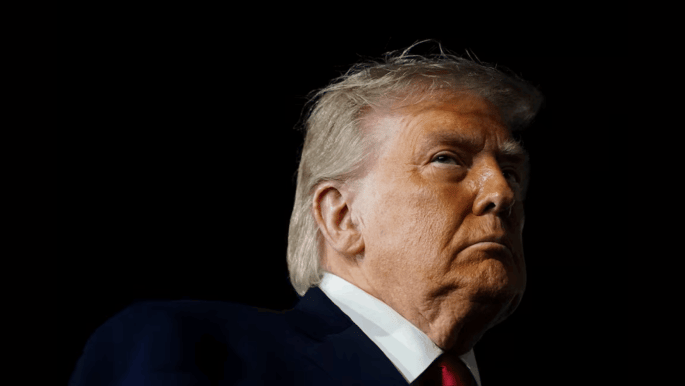
Trump has acknowledged that rising energy prices resulting from the Iran war contributed to the Republican election defeat, but he has continued to defend his decision to launch the conflict. Speaking to reporters on Wednesday, he said, “I would not have done anything differently.”
Vance’s remarks received support from several conservative figures, including Trump’s eldest son, Donald Trump Jr. Republican strategist Michael Ritchie said the vice president’s comments had sparked debate among conservatives about the justification for the Iran war and the party’s policy direction heading into the 2028 election.
Ritchie said Vance’s objective was not simply to distance himself from Trump. Rather, he was seeking to use his influence as vice president to shape the direction of political debate.
Nevertheless, the midterm results have also raised questions about Vance’s own political standing. Republicans lost in several states where he had campaigned for party candidates, while some campaign strategies he supported appear to have backfired.
One controversy involved an advertisement for Ohio gubernatorial candidate Vivek Ramaswamy. The advertisement questioned the credibility of sexual assault allegations against Democratic candidate Amy Acton, who went on to win the race.
Other potential Republican presidential contenders have also offered their assessments of the party’s defeat. Texas Senator Ted Cruz said Republicans had failed to do enough to reduce the cost of living. Florida Governor Ron DeSantis argued that candidates had focused too heavily on transgender issues while overlooking voters’ concerns about data centres and artificial intelligence. Secretary of State Marco Rubio has remained silent on the matter.
During the final days of the election campaign, Vance promised voters to crack down on fraud in government healthcare and poverty-reduction programmes. He linked those issues to immigration policy and efforts to lower living costs, while largely avoiding discussion of the Iran war, rising energy prices and Trump.
At a campaign rally in North Carolina, Vance said he wanted a country where his children could build families and enjoy a prosperous, free and financially secure future. He added that he wanted the same opportunities for everyone that he hoped to secure for his own family.
Democratic strategist Igor Volsky said Vance’s major challenge in 2028 would be maintaining Trump’s support while establishing broader appeal among general-election voters. Democrats could seek to associate him, or any other Republican nominee, closely with Trump during the campaign.
Political analysts therefore view Vance’s recent statements following the midterm defeat as more than an effort to explain the party’s losses. They also reflect an attempt to establish his position in the Republican leadership after Trump’s presidency.