Ministry emphasizes skilled worker opportunities abroad in Europe, Japan

- Update Time : 07:49:06 am, Wednesday, 20 August 2025
- / 2627 Time View
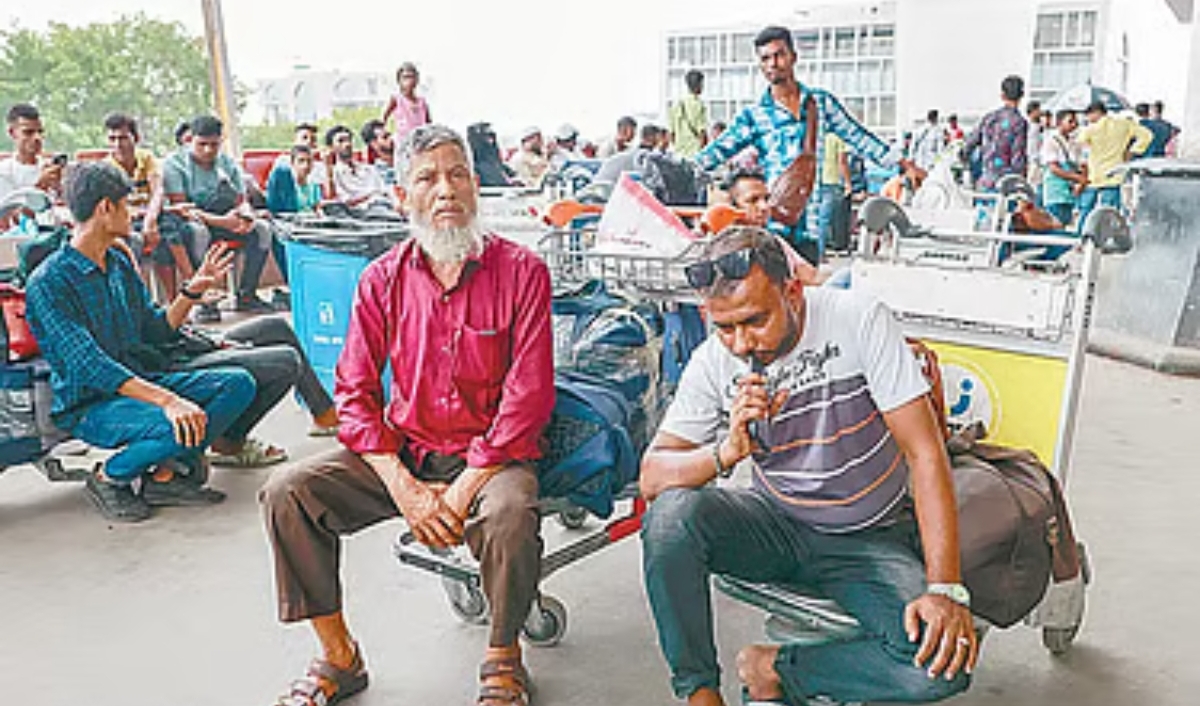

Bangladesh Targets Skilled Labour Markets Abroad, Expands Worker Support
Bangladesh has already signed agreements with Italy, with additional deals expected with other European countries. A new agreement has also been finalised with Japan, where demand for skilled workers is rising. The government aims to send 100,000 workers to Japan over the next five years and is expanding Italian and Japanese language training centres domestically.
Industry experts note that in the past, mass labour migration from Bangladesh was often plagued by irregularities. Many workers ended up unemployed or undocumented abroad, with some facing arrest and deportation. Recruitment agencies also exploited unskilled workers, causing significant financial losses.
Historically, Bangladeshi workers primarily migrated to unskilled labour markets in the Middle East, where wages are on average three to four times lower than in Japan or Europe. Even these Middle Eastern countries now increasingly demand skilled workers. Saudi Arabia, Bangladesh’s largest labour market, has sharply reduced demand for unskilled labour. Recruitment in the UAE has been suspended, Oman has closed its labour market, and Malaysia has been closed since June of last year. Negotiations are ongoing to reopen these opportunities.
Meanwhile, demand in Japan and South Korea far exceeds the number of Bangladeshi workers being sent. Europe also remains underutilised due to a shortage of skilled workers. Experts believe promoting skilled migration could revitalize the sector.
Data from the Bureau of Manpower, Employment and Training (BMET) shows that over 1.1 million workers went abroad in 2022, 1.3 million in 2023, and 1 million last year. In the first seven months of this year, 585,000 workers have migrated. Despite the slight decline, remittance earnings rose to over USD 30 billion in FY 2024–25, a 24% increase from the previous year.
Government channels have also seen growth. State-run Bangladesh Overseas Employment and Services Limited (BOESL) sent 16,066 workers abroad last fiscal year, a 4% increase from the previous year.
Honouring Expatriates from the July Uprising
Many Bangladeshi expatriates staged protests abroad last year in support of the mass uprising, despite personal risks. In the UAE, several were arrested, but a general amnesty freed 188 Bangladeshis. Twelve others were released in Saudi Arabia. These returning protesters have been popularly called “remittance warriors.”
On 2 August, the government held a “Remittance Warriors’ Day” to honour returning expatriates and commemorate the July–August student–public uprising.
The Ministry of Expatriates’ Welfare provided Tk 9.4 million in aid to the 188 returnees from the UAE, including Tk 50,000 each, along with Tk 13,500 for counselling and reintegration support. Opportunities to re-migrate were offered in Brunei, while others received local rehabilitation assistance. The Probashi Kallyan Bank has disbursed Tk 8.6 million in loans to 14 returnees, with applications for another 12 still under process.Opening New Labour Markets
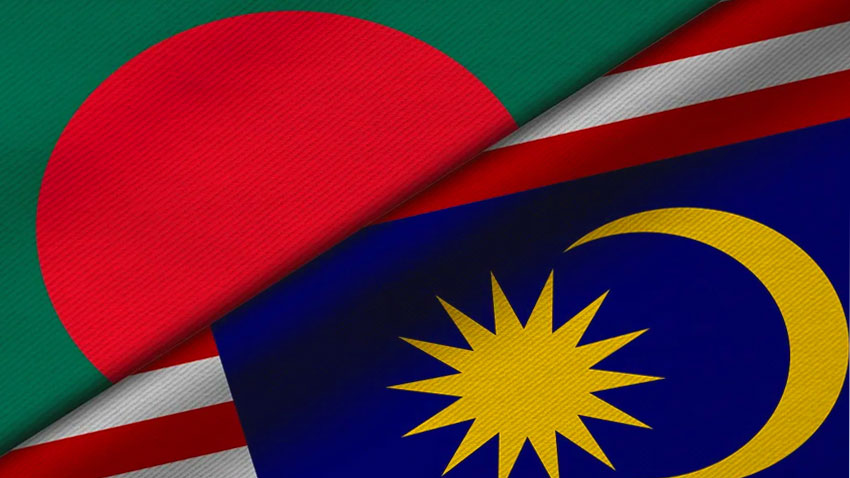
The closure of Malaysia’s labour market last year left 15,000 workers stranded. The ministry’s one-year report states that an initial agreement has been signed to send 8,000 workers to Malaysia under BOESL at minimal cost, with high-level talks ongoing to fully reopen the market. Bangladesh is also expected to sign a new agreement with Saudi Arabia in September to expand safe and legal migration. A joint task force has been established to address the challenges faced by Bangladeshi workers there.
To meet Japan’s growing demand, a special “Japan Cell” has been created, with plans to send over 500,000 workers over the next five years. Skills testing has been expanded from three to five sectors, and three separate MoUs have been signed with Japanese institutions for certification. A seasonal labour agreement with a South Korean province is also underway. Other markets are being revived: an Iraqi delegation will visit Dhaka in September to finalise an MoU, Singapore has eased verification requirements, and agreements with Guyana, Oman, Serbia, Spain, Austria, Malta, and Mauritius are in final stages.
Focus on Worker Protection and Training
The ministry is emphasising worker protection abroad. Malaysia now allows multiple-entry visas for Bangladeshi workers, and legal advisory firms have been appointed in Qatar, Oman, Saudi Arabia, the UAE, and Kuwait. Regularisation programmes for undocumented workers cover women in Jordan and over 100,000 migrants in Oman.
At Dhaka airport, a “Probashi Lounge and Waiting Area” has been established, offering discounted hygienic meals. Training facilities have also been strengthened: 44 Technical Training Centres now provide Japanese, English, Chinese, and Korean language courses. Under a new agreement with Saudi firm Takamol, 15 TTCs and BRTC centres can conduct skills testing. Caregiver training has been added to meet growing overseas demand.
The interim government has replaced the previous private app-based worker registration system with a unified digital platform, allowing exit clearance directly through government channels, reducing costs and delays.
Tasneem Siddiqui, acting executive director of migration research group RMMRU, told Prothom Alo that these measures have successfully prevented syndicate formation in Malaysia and removed the private registration app, marking a positive step. She also stressed the need to expand destination markets and scale up skilled worker training to address the shrinking global labour market.