Dhaka 7:59 am, Wednesday, 13 May 2026

Nepal to Raise Everest Climbing Fees, Open 97 Remote Peaks for Free

Niloy Mridha
  • Update Time : 07:06:13 am, Wednesday, 13 August 2025
  • / 530 Time View

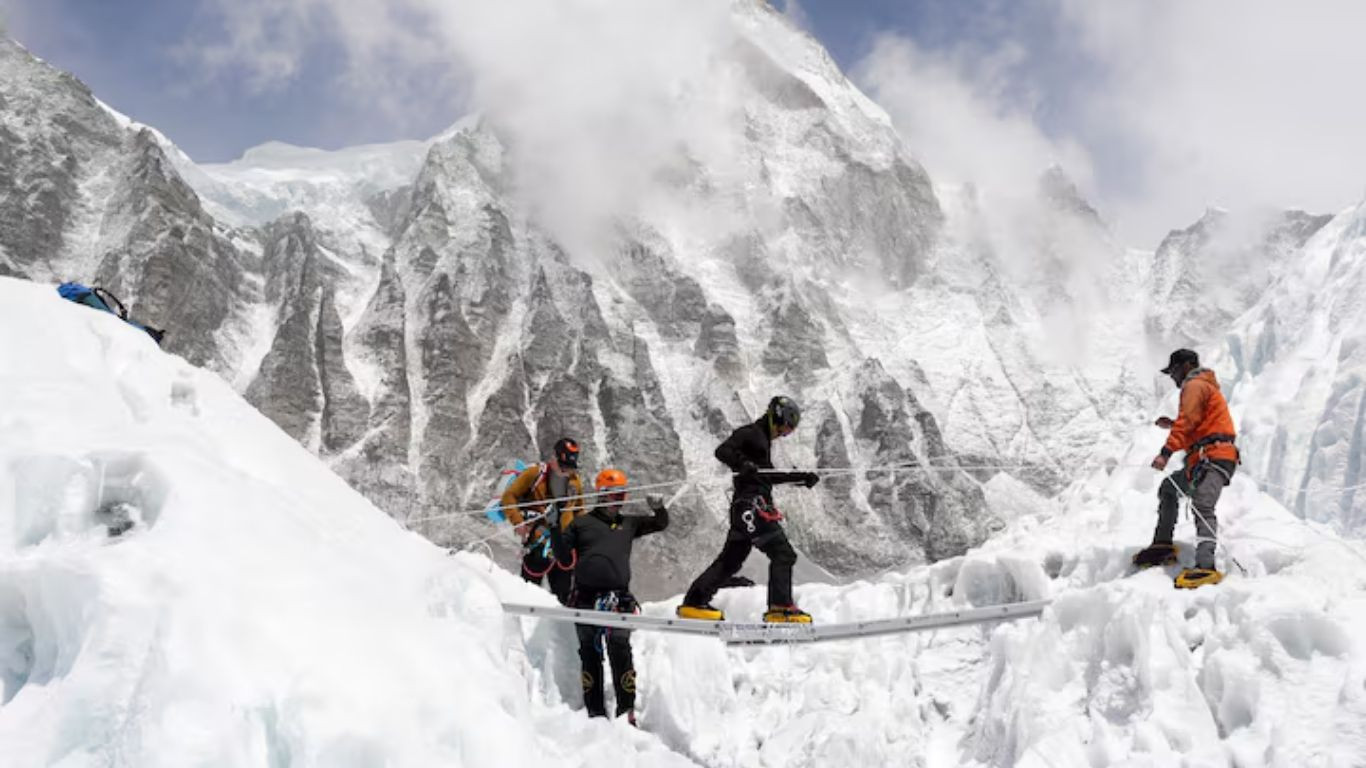
Nepal will increase the cost of climbing Mount Everest to $15,000 during the peak April–May season starting September, marking the first price hike in nearly ten years. At the same time, the government is waiving permit fees for 97 lesser-known Himalayan peaks over the next two years in an effort to boost tourism in remote regions.

The mountains included in the free-climb scheme are located in the Karnali and Sudurpaschim provinces, with elevations ranging from 5,970 metres to 7,132 metres. Authorities hope the move will attract adventurers, create employment, generate income, and support local economies.

“These areas are stunning but rarely visited because of poor accessibility. We believe this new measure will help change that,” said Himal Gautam, director of Nepal’s Tourism Department, in comments reported by The Kathmandu Post.

Mountaineering is a vital source of income for Nepal, home to eight of the world’s tallest ten peaks. In 2024, climbing permit fees generated $5.9 million, with Everest accounting for more than three-quarters of the total. Yet interest in the 97 newly opened mountains has been low—just 68 climbers visited them in the past two years, compared with 421 Everest permits issued in 2024 alone. Experts say these peaks could serve as training grounds for climbers preparing for Everest, particularly under proposed rules requiring summits of mountains above 7,000 metres before attempting the world’s highest peak.

Everest, which stands at 8,849 metres, has faced mounting challenges in recent years, including crowding, environmental degradation, and fatal accidents. In 2024, Nepal’s Supreme Court instructed the government to limit climbing permits to protect the mountain’s carrying capacity.

Under the updated pricing, off-peak climbs from September to November will cost $7,500, while winter ascents between December and February will be priced at $3,750—a 36% rise from previous rates announced earlier this year.

While waiving fees for remote peaks could stimulate tourism in hard-to-reach areas, analysts warn that infrastructure, transport links, and local capacity to host more visitors will be key to the initiative’s success.

Tag :

Please Share This Post in Your Social Media

Nepal to Raise Everest Climbing Fees, Open 97 Remote Peaks for Free

Update Time : 07:06:13 am, Wednesday, 13 August 2025

Nepal will increase the cost of climbing Mount Everest to $15,000 during the peak April–May season starting September, marking the first price hike in nearly ten years. At the same time, the government is waiving permit fees for 97 lesser-known Himalayan peaks over the next two years in an effort to boost tourism in remote regions.

The mountains included in the free-climb scheme are located in the Karnali and Sudurpaschim provinces, with elevations ranging from 5,970 metres to 7,132 metres. Authorities hope the move will attract adventurers, create employment, generate income, and support local economies.

“These areas are stunning but rarely visited because of poor accessibility. We believe this new measure will help change that,” said Himal Gautam, director of Nepal’s Tourism Department, in comments reported by The Kathmandu Post.

Mountaineering is a vital source of income for Nepal, home to eight of the world’s tallest ten peaks. In 2024, climbing permit fees generated $5.9 million, with Everest accounting for more than three-quarters of the total. Yet interest in the 97 newly opened mountains has been low—just 68 climbers visited them in the past two years, compared with 421 Everest permits issued in 2024 alone. Experts say these peaks could serve as training grounds for climbers preparing for Everest, particularly under proposed rules requiring summits of mountains above 7,000 metres before attempting the world’s highest peak.

Everest, which stands at 8,849 metres, has faced mounting challenges in recent years, including crowding, environmental degradation, and fatal accidents. In 2024, Nepal’s Supreme Court instructed the government to limit climbing permits to protect the mountain’s carrying capacity.

Under the updated pricing, off-peak climbs from September to November will cost $7,500, while winter ascents between December and February will be priced at $3,750—a 36% rise from previous rates announced earlier this year.

While waiving fees for remote peaks could stimulate tourism in hard-to-reach areas, analysts warn that infrastructure, transport links, and local capacity to host more visitors will be key to the initiative’s success.