Bangladesh’s New Government Hits 180 Days: Reform Revolution or Political Gamble?

- Update Time : 06:05:02 am, Monday, 17 August 2026
- / 408 Time View


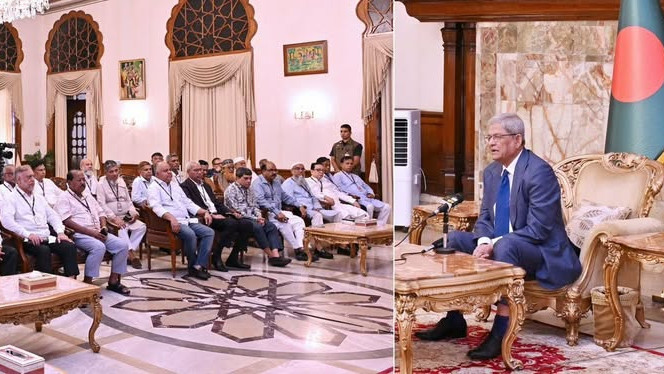
After six months in office, Bangladesh’s BNP-led government is presenting its first major report card, highlighting a series of reforms, social programs, and economic initiatives while facing growing public scrutiny over inflation, investment, and energy challenges.
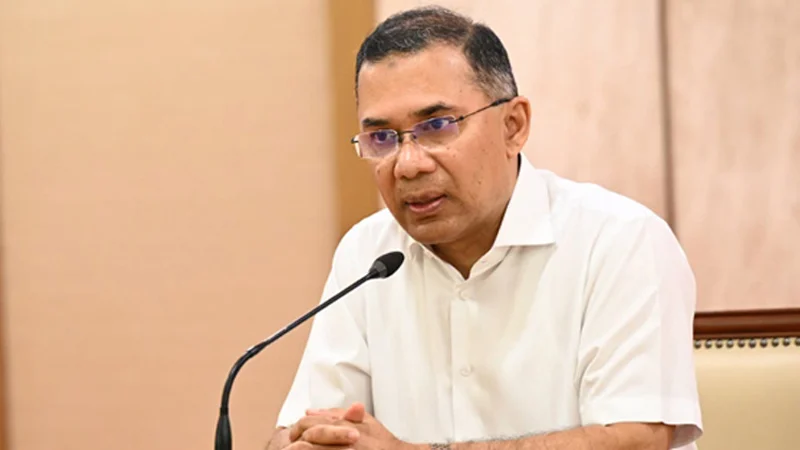
Government officials describe the first 180 days as a foundation-building period focused on accountability, institutional reform, and citizen-centered governance. The administration says its priorities have included strengthening the economy, supporting farmers and low-income families, improving healthcare and education, and reducing wasteful government spending.
One of the most discussed changes has been the effort to reduce personality-driven politics. Authorities have moved away from displaying political leaders’ portraits in public offices and have promoted a simpler protocol system. Officials say these measures are intended to place state institutions above individual political figures.
The government has also announced a range of social welfare initiatives targeting farmers, students, women, senior citizens, migrant workers, and young entrepreneurs. New support programs, easier access to financing, and startup funding mechanisms have been introduced as part of a broader effort to expand economic opportunities.
In the energy sector, the administration has launched new gas exploration plans and reopened international bidding opportunities for offshore blocks. Officials argue that long-standing structural weaknesses and policy failures contributed to current energy pressures, and they say reforms are aimed at improving long-term energy security.
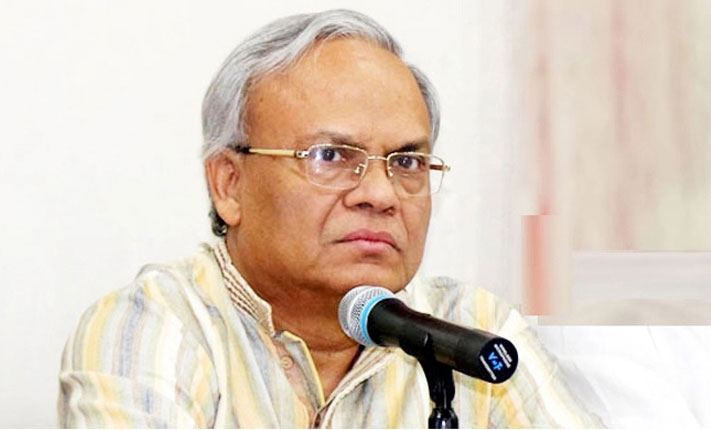
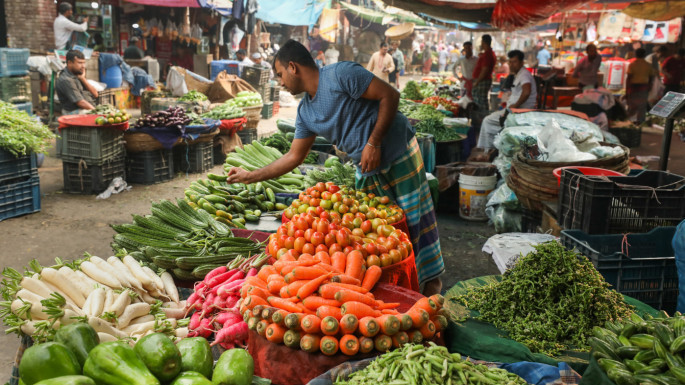
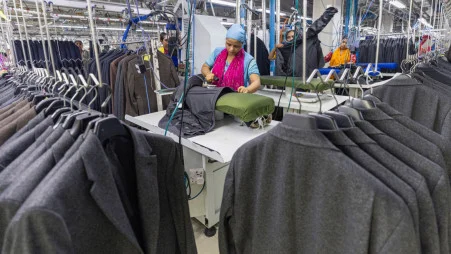
Economic management remains one of the government’s biggest tests. While authorities point to tax reductions on essential goods and efforts to attract investors, critics argue that rising prices continue to place significant pressure on households. Foreign direct investment has yet to show the major increase many supporters had hoped for.
Agriculture has been another key focus area. The government says loan relief measures have benefited large numbers of farmers and that new agricultural support programs are being prepared for the coming fiscal year. Officials also report strong national food reserves and continued efforts to strengthen food security.
Major infrastructure plans include the Padma Barrage project and a large-scale Teesta River restoration initiative. Leaders say these projects are designed to improve water management, increase agricultural productivity, and reduce environmental risks in vulnerable regions.
Education reforms feature expanded funding, technology integration in classrooms, teacher-support initiatives, and programs aimed at strengthening links between education and employment. Healthcare plans include recruiting additional medical personnel, upgrading hospitals, and expanding access to essential services.
On the international stage, the government highlights diplomatic engagement with major global partners and points to Bangladesh’s growing role in multilateral institutions. Officials say strengthening trade, investment, labor markets, and regional cooperation remains a central foreign policy objective.
Despite the long list of announced achievements and ongoing projects, analysts note that the next phase will be judged less by policy announcements and more by measurable results. Controlling inflation, creating jobs, improving public services, and delivering visible improvements in daily life are expected to be the key benchmarks for success.
As Bangladesh enters the second half of the government’s first year, expectations remain high. Supporters see a reform-minded administration laying the groundwork for long-term change, while critics argue that the real challenge begins now: turning ambitious plans into tangible outcomes for millions of citizens.