Dhaka 9:33 am, Saturday, 28 February 2026

Policy Solutions Needed Instead of Special Aid for Weak Banks

Reporter Name
  • Update Time : 03:20:08 pm, Sunday, 8 December 2024
  • / 395 Time View

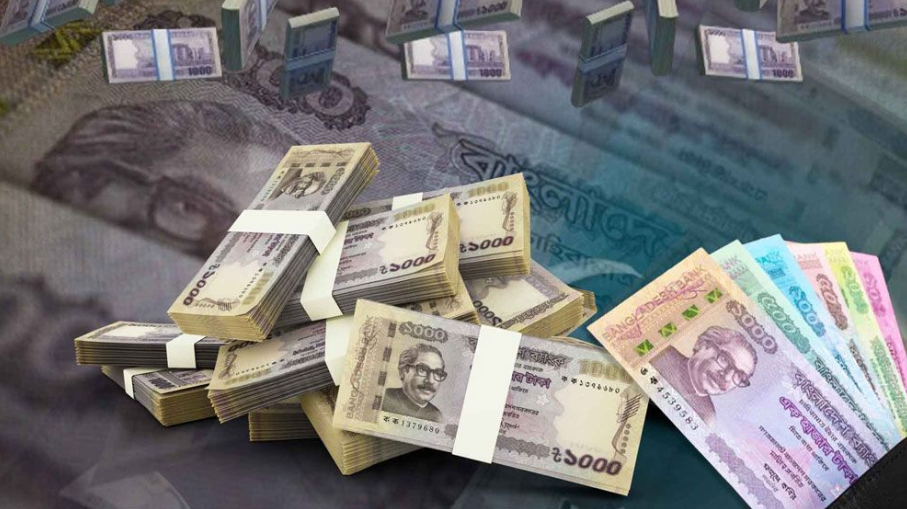
Dr. Fahmida Khatun, Executive Director of the Centre for Policy Dialogue (CPD), expressed concerns about printing money to support weak banks during high inflation, warning it could further exacerbate inflationary pressures. She criticized the Bangladesh Bank’s recent liquidity support to six struggling banks, emphasizing the need to focus on mergers or acquisitions for such institutions rather than repeated financial aid. However, she stressed that these mergers should be voluntary and not imposed, as was done during the tenure of a former central bank governor.

Dr. Khatun made these remarks while addressing a university debate competition in Dhaka. The event, themed “Lack of Governance in the Financial Sector is a Major Challenge to Prevent Corruption,” was chaired by Hasan Ahmed Chowdhury Kiron, Chairman of Debate for Democracy. South East University won the competition against Bangladesh Textile University.

Responding to questions about the Bangladesh Bank’s recent Tk 22,500 crore liquidity injection into weak banks, Dr. Khatun explained that the central bank initially aimed to safeguard depositors by channeling aid through stronger banks, but the initiative fell short. She advocated alternatives like mergers, acquisitions, or using asset management companies to recover bad debts.

Discussing Bangladesh’s trade relations with India amid strained ties, she noted that trade between two nations occurs when both derive comparative advantages. While Bangladesh imports more than it exports to India, disruptions in imports would necessitate sourcing from other, potentially more expensive markets. She underscored that India also heavily relies on Bangladesh as a market for its goods and services, drawing parallels to India’s trade relations with China despite political differences.

On the Adani power deal, she criticized it as one-sided and not in Bangladesh’s interest. She called for renegotiation and reevaluation of the agreement to safeguard national interests.

Regarding Bangladesh’s banking sector, Dr. Khatun observed that the country did not need 60 banks. Many licenses were granted under political influence, often resulting in entities focused on misappropriating depositor funds rather than delivering genuine services. She also highlighted nepotism in the licensing of digital banks.

Addressing corruption, Dr. Khatun pointed out that during the previous government, corrupt politicians, bureaucrats, and businessmen enabled each other’s misconduct. She called for strict legal action against offenders to curb such practices. She stressed that reforms would fail without political will, leaving the public disillusioned and injustice unaddressed.

Echoing similar concerns, Hasan Ahmed Chowdhury Kiron remarked that during the previous administration, bank owners’ associations set interest and exchange rates at luxury hotels, reflecting systemic inefficiencies. He lamented the cycle of tax evasion, loan defaulting, and money laundering by the same individuals.
Tag :

Please Share This Post in Your Social Media

Policy Solutions Needed Instead of Special Aid for Weak Banks

Update Time : 03:20:08 pm, Sunday, 8 December 2024

Dr. Fahmida Khatun, Executive Director of the Centre for Policy Dialogue (CPD), expressed concerns about printing money to support weak banks during high inflation, warning it could further exacerbate inflationary pressures. She criticized the Bangladesh Bank’s recent liquidity support to six struggling banks, emphasizing the need to focus on mergers or acquisitions for such institutions rather than repeated financial aid. However, she stressed that these mergers should be voluntary and not imposed, as was done during the tenure of a former central bank governor.

Dr. Khatun made these remarks while addressing a university debate competition in Dhaka. The event, themed “Lack of Governance in the Financial Sector is a Major Challenge to Prevent Corruption,” was chaired by Hasan Ahmed Chowdhury Kiron, Chairman of Debate for Democracy. South East University won the competition against Bangladesh Textile University.

Responding to questions about the Bangladesh Bank’s recent Tk 22,500 crore liquidity injection into weak banks, Dr. Khatun explained that the central bank initially aimed to safeguard depositors by channeling aid through stronger banks, but the initiative fell short. She advocated alternatives like mergers, acquisitions, or using asset management companies to recover bad debts.

Discussing Bangladesh’s trade relations with India amid strained ties, she noted that trade between two nations occurs when both derive comparative advantages. While Bangladesh imports more than it exports to India, disruptions in imports would necessitate sourcing from other, potentially more expensive markets. She underscored that India also heavily relies on Bangladesh as a market for its goods and services, drawing parallels to India’s trade relations with China despite political differences.

On the Adani power deal, she criticized it as one-sided and not in Bangladesh’s interest. She called for renegotiation and reevaluation of the agreement to safeguard national interests.

Regarding Bangladesh’s banking sector, Dr. Khatun observed that the country did not need 60 banks. Many licenses were granted under political influence, often resulting in entities focused on misappropriating depositor funds rather than delivering genuine services. She also highlighted nepotism in the licensing of digital banks.

Addressing corruption, Dr. Khatun pointed out that during the previous government, corrupt politicians, bureaucrats, and businessmen enabled each other’s misconduct. She called for strict legal action against offenders to curb such practices. She stressed that reforms would fail without political will, leaving the public disillusioned and injustice unaddressed.

Echoing similar concerns, Hasan Ahmed Chowdhury Kiron remarked that during the previous administration, bank owners’ associations set interest and exchange rates at luxury hotels, reflecting systemic inefficiencies. He lamented the cycle of tax evasion, loan defaulting, and money laundering by the same individuals.