Dhaka 5:01 pm, Friday, 24 April 2026

Is 2026 the Year America Turns on Itself?

Staff Correspondent:
  • Update Time : 07:38:28 pm, Tuesday, 3 February 2026
  • / 143 Time View

Could 2026 Mark America’s Turn Toward Self-Destruction?

As the United States approaches the 250th anniversary of its independence, concerns are growing that the country may be entering one of the most dangerous phases in its modern history. Political decisions, shifting alliances, and internal tensions suggest that America’s greatest threat may no longer come from abroad—but from within.

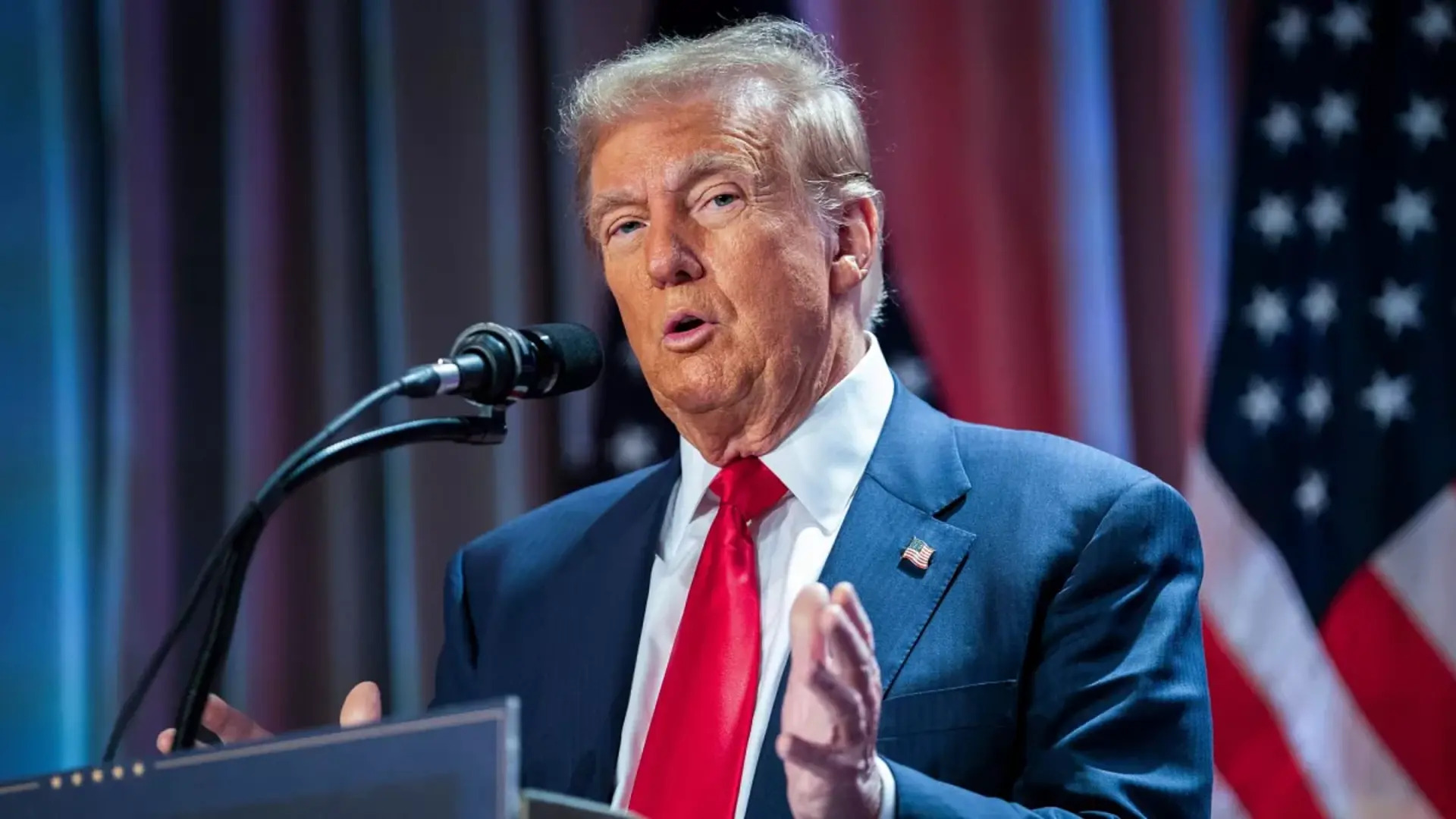
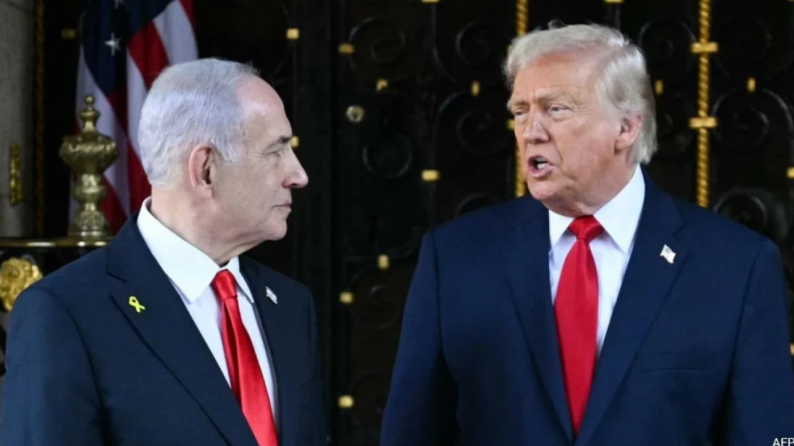
Under President Donald Trump, U.S. policy appears to be moving toward isolation rather than cooperation. His administration has shown a willingness to weaken long-standing transatlantic partnerships if doing so serves short-term strategic ambitions, particularly in the North Atlantic region. Traditional alliances such as NATO are increasingly viewed by Trump and his advisers as burdens rather than assets, reinforcing the belief that America can achieve greatness alone.

Yet the results of this approach over the past year point in the opposite direction. Instead of strengthening the nation, these policies risk eroding its foundations. Democratic norms and the rule of law are under pressure at home. Abroad, the U.S. is building warmer relations with authoritarian leaders while distancing itself from democratic allies. Global engagement is being reduced to raw military and economic power, sidelining multilateral institutions, shared rules, and decades-old trade and security relationships.

Historically, what set the United States apart was not only its power, but its guiding principles. The country was founded on Enlightenment ideals, humanism, and constitutional governance. The phrase “We the People” symbolized popular sovereignty at a time when most power belonged to kings—an unmistakable challenge to authoritarian rule.

America has always carried contradictions. It was both a champion of democratic ideals and, at times, an imperial force. Early practices such as slavery directly conflicted with constitutional promises of equality and freedom. Still, the balance between moral vision and material strength helped the U.S. emerge victorious in world wars and the Cold War.

Today, that balance is under threat. Governance increasingly relies on unchecked power rather than principled restraint. Institutions that once safeguarded democracy appear vulnerable. Wealth and influence are concentrating among powerful elites who dream of global dominance, technological immortality, and even colonizing distant planets, while ordinary citizens face growing surveillance and shrinking civil liberties.

Protected rights are giving way to monitoring and control. Protest and dissent carry higher risks. Law enforcement actions often escape meaningful accountability. Universities and research centers—long magnets for global talent—are under financial strain, and freedom of expression seems increasingly reserved for those already in power.

To many visitors, the U.S. no longer feels like the “land of freedom,” but resembles former authoritarian states of Eastern Europe. Even America’s closest partners are now treated with suspicion. Countries like Denmark openly resist what they see as imperial-style demands on their sovereignty. Meanwhile, authoritarian leaders are tolerated, while European democracies—especially the European Union—are framed as adversaries.

For decades, America’s strength rested on the separation of powers, open labor markets, world-class education, and values rooted in tolerance, reason, and universal rights. These were the pillars of its global leadership. Today, many of those pillars are being weakened. The “Make America Great Again” movement risks dismantling not only the transatlantic alliance but also the very sources of American power.

If current trends continue, 2026 may not represent renewal—but a deepening crisis that threatens the future of the American republic itself.
Tag :

Please Share This Post in Your Social Media

Is 2026 the Year America Turns on Itself?

Update Time : 07:38:28 pm, Tuesday, 3 February 2026

Could 2026 Mark America’s Turn Toward Self-Destruction?

As the United States approaches the 250th anniversary of its independence, concerns are growing that the country may be entering one of the most dangerous phases in its modern history. Political decisions, shifting alliances, and internal tensions suggest that America’s greatest threat may no longer come from abroad—but from within.

Under President Donald Trump, U.S. policy appears to be moving toward isolation rather than cooperation. His administration has shown a willingness to weaken long-standing transatlantic partnerships if doing so serves short-term strategic ambitions, particularly in the North Atlantic region. Traditional alliances such as NATO are increasingly viewed by Trump and his advisers as burdens rather than assets, reinforcing the belief that America can achieve greatness alone.

Yet the results of this approach over the past year point in the opposite direction. Instead of strengthening the nation, these policies risk eroding its foundations. Democratic norms and the rule of law are under pressure at home. Abroad, the U.S. is building warmer relations with authoritarian leaders while distancing itself from democratic allies. Global engagement is being reduced to raw military and economic power, sidelining multilateral institutions, shared rules, and decades-old trade and security relationships.

Historically, what set the United States apart was not only its power, but its guiding principles. The country was founded on Enlightenment ideals, humanism, and constitutional governance. The phrase “We the People” symbolized popular sovereignty at a time when most power belonged to kings—an unmistakable challenge to authoritarian rule.

America has always carried contradictions. It was both a champion of democratic ideals and, at times, an imperial force. Early practices such as slavery directly conflicted with constitutional promises of equality and freedom. Still, the balance between moral vision and material strength helped the U.S. emerge victorious in world wars and the Cold War.

Today, that balance is under threat. Governance increasingly relies on unchecked power rather than principled restraint. Institutions that once safeguarded democracy appear vulnerable. Wealth and influence are concentrating among powerful elites who dream of global dominance, technological immortality, and even colonizing distant planets, while ordinary citizens face growing surveillance and shrinking civil liberties.

Protected rights are giving way to monitoring and control. Protest and dissent carry higher risks. Law enforcement actions often escape meaningful accountability. Universities and research centers—long magnets for global talent—are under financial strain, and freedom of expression seems increasingly reserved for those already in power.

To many visitors, the U.S. no longer feels like the “land of freedom,” but resembles former authoritarian states of Eastern Europe. Even America’s closest partners are now treated with suspicion. Countries like Denmark openly resist what they see as imperial-style demands on their sovereignty. Meanwhile, authoritarian leaders are tolerated, while European democracies—especially the European Union—are framed as adversaries.

For decades, America’s strength rested on the separation of powers, open labor markets, world-class education, and values rooted in tolerance, reason, and universal rights. These were the pillars of its global leadership. Today, many of those pillars are being weakened. The “Make America Great Again” movement risks dismantling not only the transatlantic alliance but also the very sources of American power.

If current trends continue, 2026 may not represent renewal—but a deepening crisis that threatens the future of the American republic itself.