Dhaka 4:17 am, Wednesday, 25 February 2026

US Deploys Major Military Assets in Middle East Amid Tensions with Iran; European Sanctions Loom

Staff Correspondent :
  • Update Time : 06:43:59 am, Tuesday, 24 February 2026
  • / 32 Time View

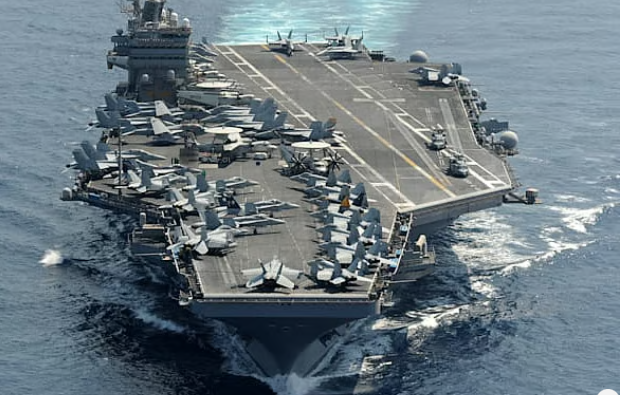
The United States has deployed significant military assets, including the aircraft carrier USS Abraham Lincoln, to the Middle East. Analysts believe this move is part of joint preparations with Israel for a potential large-scale missile strike on Iran. Observers suggest the buildup is intended to destabilize the Iranian government, which faces allegations of violently suppressing ongoing protests and the killing of thousands of citizens.

Although U.S. missile-defense warships have not yet reached their final positions, they are within striking range of Iran. However, there is uncertainty over whether a U.S. attack would reignite anti-government protests in the country, as many Iranians, despite opposing the hardline leadership in power since 1979, are not in favor of regime change imposed by foreign forces.

Amid stalled diplomatic efforts, Iran’s stock market experienced record losses last Monday. Regional powers, including the United Arab Emirates, have indicated they will not allow their airspace or waters to be used for attacks on Iran. However, U.S. warships in the Mediterranean could operate without third-party clearance.

Last week, the U.S. military announced an exercise in the region to test how quickly aircraft can take off and land from warships, signaling readiness for potential operations.

Targeting Political Leadership
Experts note that the intended targets of any potential strike are not Iran’s already disrupted nuclear facilities but its political leadership. The goal appears to be to provoke public outrage over living conditions and mobilize citizens back onto the streets. According to official figures, inflation in Iran reached 60 percent last month.

Ali Larijani, Secretary of Iran’s Supreme National Security Council, warned that the U.S. is attempting to undermine Iranian social cohesion even before any military action. He described efforts by former U.S. President Donald Trump to push Iran into a “state of emergency” as a form of warfare, adding that such actions align with the enemy’s objectives.

Diplomatic Talks Dismissed
Claims of potential negotiations between U.S. Special Envoy Steve Witkoff and Iran’s Foreign Minister Abbas Araghchi were dismissed as false by Iranian Foreign Ministry spokesperson Esmail Baghai. Witkoff’s conditions reportedly include the return of UN weapons inspectors, removal of highly enriched uranium, and restrictions on Iran’s missile program.

Baghai emphasized that Iran’s armed forces are monitoring every development “carefully” and warned that deploying troops and threats in the Middle East violate international law. He added that any aggression would be met with a “comprehensive and decisive” response from Iran.

Trump’s Hesitation
Despite heightened protests in Iran, Donald Trump refrained from striking two weeks ago. Analysts attribute this to the lack of a concrete plan for removing Supreme Leader Ayatollah Ali Khamenei and protecting Israel from potential Iranian retaliation. Trump’s earlier promises of support to protesters remain unfulfilled, leaving many Iranians frustrated. Even within the U.S. administration, opinions differ on whether regime change in a country of 90 million is feasible.

New European Sanctions
The situation is also affecting European politics. Italy’s Foreign Minister Antonio Tajani has announced plans to propose at the EU Council on Foreign Affairs that Iran’s Revolutionary Guard Corps (IRGC) be listed as a banned organization.

Tag :

Please Share This Post in Your Social Media

US Deploys Major Military Assets in Middle East Amid Tensions with Iran; European Sanctions Loom

Update Time : 06:43:59 am, Tuesday, 24 February 2026

The United States has deployed significant military assets, including the aircraft carrier USS Abraham Lincoln, to the Middle East. Analysts believe this move is part of joint preparations with Israel for a potential large-scale missile strike on Iran. Observers suggest the buildup is intended to destabilize the Iranian government, which faces allegations of violently suppressing ongoing protests and the killing of thousands of citizens.

Although U.S. missile-defense warships have not yet reached their final positions, they are within striking range of Iran. However, there is uncertainty over whether a U.S. attack would reignite anti-government protests in the country, as many Iranians, despite opposing the hardline leadership in power since 1979, are not in favor of regime change imposed by foreign forces.

Amid stalled diplomatic efforts, Iran’s stock market experienced record losses last Monday. Regional powers, including the United Arab Emirates, have indicated they will not allow their airspace or waters to be used for attacks on Iran. However, U.S. warships in the Mediterranean could operate without third-party clearance.

Last week, the U.S. military announced an exercise in the region to test how quickly aircraft can take off and land from warships, signaling readiness for potential operations.

Targeting Political Leadership
Experts note that the intended targets of any potential strike are not Iran’s already disrupted nuclear facilities but its political leadership. The goal appears to be to provoke public outrage over living conditions and mobilize citizens back onto the streets. According to official figures, inflation in Iran reached 60 percent last month.

Ali Larijani, Secretary of Iran’s Supreme National Security Council, warned that the U.S. is attempting to undermine Iranian social cohesion even before any military action. He described efforts by former U.S. President Donald Trump to push Iran into a “state of emergency” as a form of warfare, adding that such actions align with the enemy’s objectives.

Diplomatic Talks Dismissed
Claims of potential negotiations between U.S. Special Envoy Steve Witkoff and Iran’s Foreign Minister Abbas Araghchi were dismissed as false by Iranian Foreign Ministry spokesperson Esmail Baghai. Witkoff’s conditions reportedly include the return of UN weapons inspectors, removal of highly enriched uranium, and restrictions on Iran’s missile program.

Baghai emphasized that Iran’s armed forces are monitoring every development “carefully” and warned that deploying troops and threats in the Middle East violate international law. He added that any aggression would be met with a “comprehensive and decisive” response from Iran.

Trump’s Hesitation
Despite heightened protests in Iran, Donald Trump refrained from striking two weeks ago. Analysts attribute this to the lack of a concrete plan for removing Supreme Leader Ayatollah Ali Khamenei and protecting Israel from potential Iranian retaliation. Trump’s earlier promises of support to protesters remain unfulfilled, leaving many Iranians frustrated. Even within the U.S. administration, opinions differ on whether regime change in a country of 90 million is feasible.

New European Sanctions
The situation is also affecting European politics. Italy’s Foreign Minister Antonio Tajani has announced plans to propose at the EU Council on Foreign Affairs that Iran’s Revolutionary Guard Corps (IRGC) be listed as a banned organization.