India-Pakistan Power Play Sparks Diplomatic Changes in South Asia

- Update Time : 11:27:54 am, Saturday, 1 February 2025
- / 640 Time View
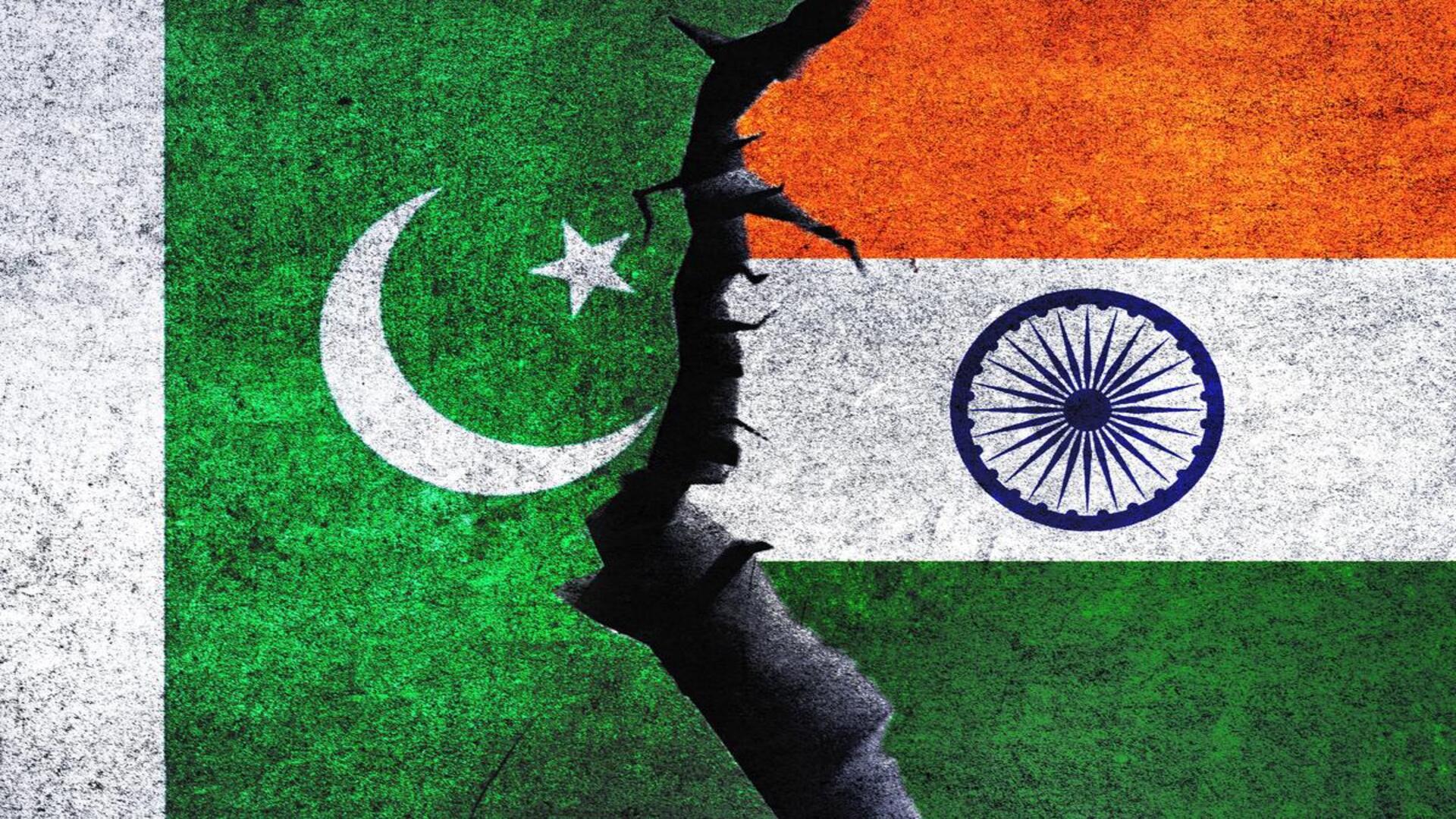

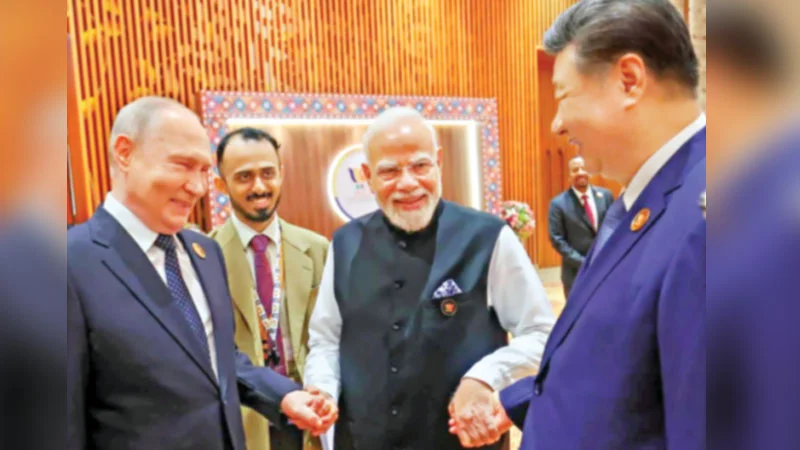
Old rivalries between India and Pakistan continue to shape South Asia’s diplomatic landscape, with New Delhi engaging Afghanistan’s Taliban while Islamabad fosters ties with Bangladesh’s new leadership following its recent political upheaval.
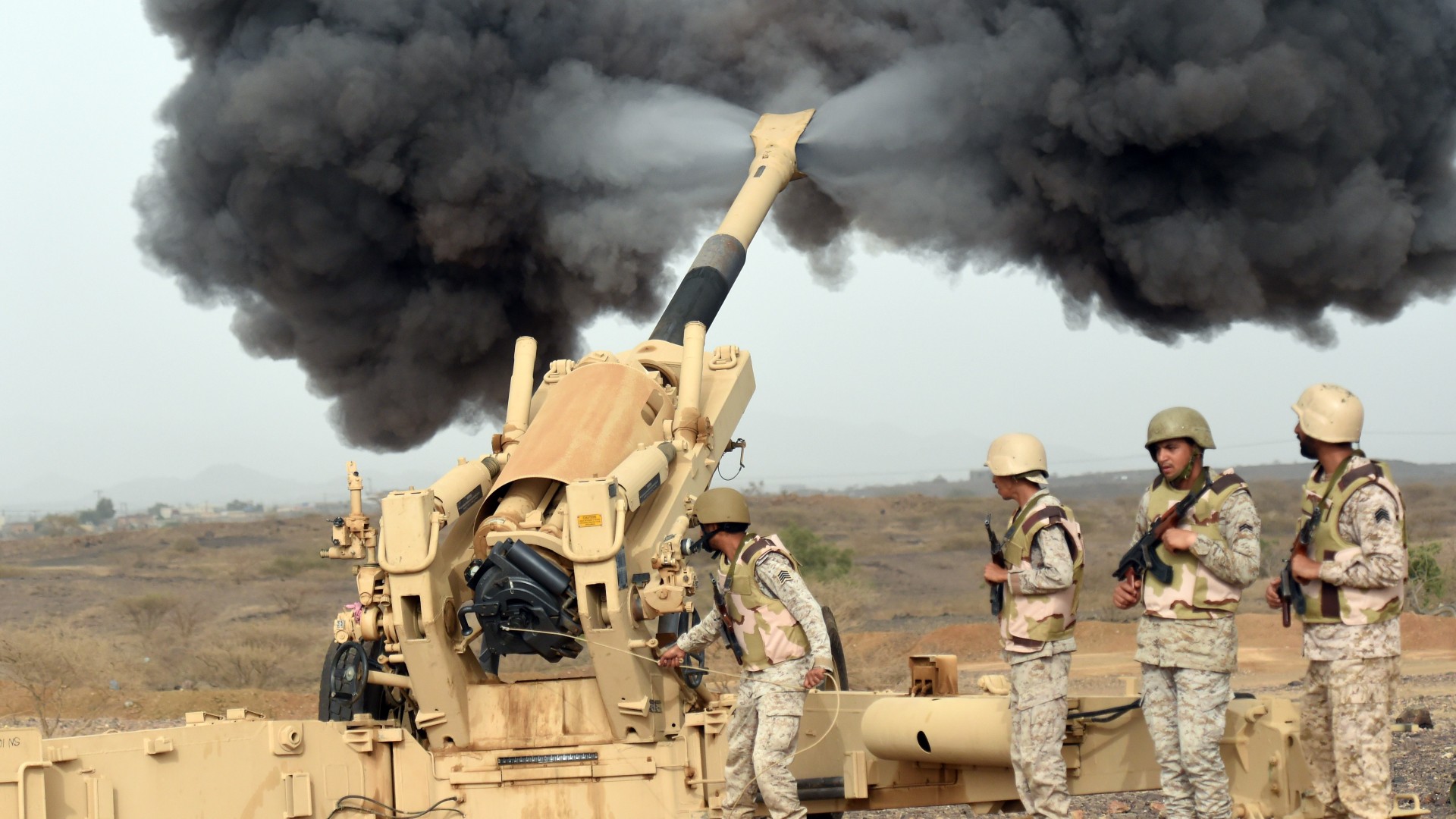
The historic hostility between these two nuclear-armed neighbors, rooted in the partition of British India in 1947, remains a defining factor in the region’s geopolitics. This enduring tension has led both nations to seek strategic alliances that counterbalance each other’s influence.
India, despite its ideological differences with the Taliban, has intensified diplomatic outreach to Afghanistan, aiming to secure its interests and limit Pakistan’s leverage. In January, senior Indian diplomat Vikram Misri held talks with Taliban foreign minister Mawlawi Amir Khan Muttaqi in Dubai, marking the highest-level interaction between the two. This move aligns with India’s broader goal of maintaining a strategic foothold in Afghanistan, while also countering China’s growing presence through projects like the Chabahar port in Iran, positioned as a rival to Pakistan’s Gwadar port.
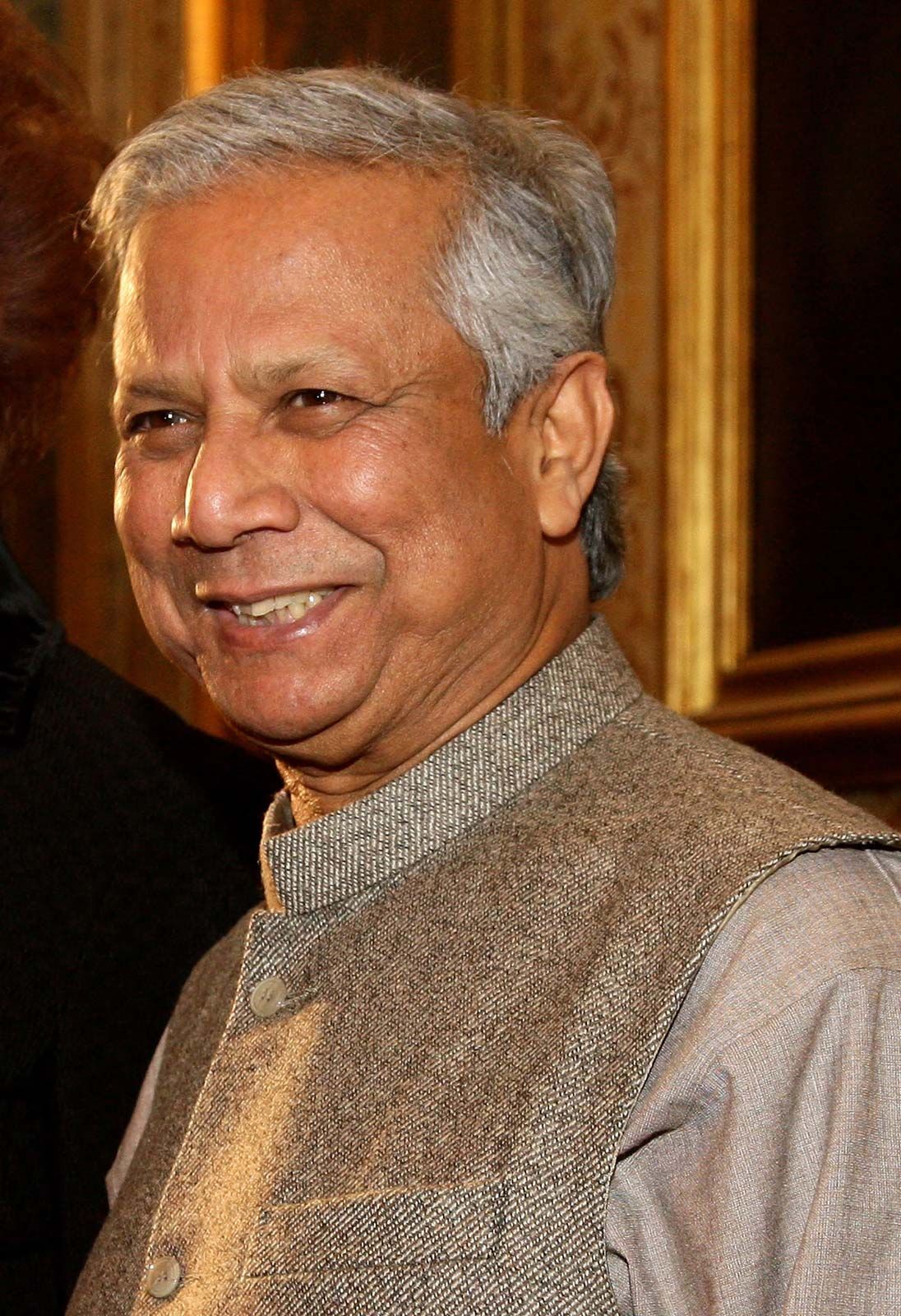
Meanwhile, the political landscape in Bangladesh has shifted dramatically since the ousting of Sheikh Hasina in August 2024. Her departure strained Dhaka’s ties with New Delhi, creating an opening for Pakistan to reestablish relations with Bangladesh, a nation it once ruled before their violent split in 1971. High-level meetings between Bangladeshi and Pakistani leaders, along with renewed trade routes and military cooperation, signal a thaw in relations long marked by historical grievances.
This evolving regional dynamic underscores a simple yet powerful principle in diplomacy: alliances often form not out of shared values, but common adversaries.