Trump’s Tariff War Sparks Global Trade Tensions

- Update Time : 05:50:59 am, Sunday, 2 February 2025
- / 519 Time View


President Donald Trump has announced sweeping tariffs on key U.S. trading partners—Canada, Mexico, and China—citing what he described as a “major threat” from illegal immigration and the influx of drugs, particularly deadly fentanyl. Starting Tuesday, Canadian and Mexican exports to the United States will face a 25% tariff, while energy resources from Canada will be subject to a reduced 10% levy. Chinese goods, already under various duties, will now face an additional 10% tariff.
Trump invoked the International Emergency Economic Powers Act (IEEPA) to impose these tariffs, with the White House stating that “the extraordinary threat posed by illegal aliens and drugs, including deadly fentanyl, constitutes a national emergency.” The administration emphasized that the goal is to hold Canada, Mexico, and China accountable for their commitments to curb illegal immigration and prevent drug trafficking into the U.S.
In response, China’s Ministry of Commerce announced that it would take “corresponding countermeasures” and file a formal complaint against the United States with the World Trade Organization (WTO). Mexican President Claudia Sheinbaum declared that Mexico would impose retaliatory tariffs, revealing that she had directed her economy minister to activate “Plan B,” a strategy involving both tariff and non-tariff measures to defend Mexico’s economic interests.
Canadian Prime Minister Justin Trudeau, after consulting with Sheinbaum, announced that Canada would respond with its own retaliatory measures, including 25% tariffs on select American goods worth CA$155 billion (approximately US$106 billion). The first round of tariffs will take effect on Tuesday, with a second phase scheduled for three weeks later. Trudeau stressed that while Canada is not looking to escalate tensions, it will take firm action to protect Canadian jobs and industries, warning that these developments could strain the long-standing relationship between Canada and the U.S.
President Trump has consistently championed tariffs as an effective policy tool and indicated that this latest move could mark the beginning of broader trade conflicts. He has signaled plans to impose additional tariffs on the European Union and key sectors such as semiconductors, steel, aluminum, oil, and gas. The White House defended these actions, stating, “Tariffs are a powerful, proven source of leverage for protecting the national interest.”
Wendy Cutler, vice president of the Asia Society Policy Institute and a former U.S. trade negotiator, described the tariffs as an “opening salvo” in what could evolve into an extended trade war. She warned that targeting America’s closest trade partners—especially those within free trade agreements—could have swift and significant economic repercussions. Given the deep economic integration between the U.S., Mexico, and Canada, the tariffs are expected to disrupt supply chains across industries, including energy, automobiles, and agriculture.
Economists have raised alarms about the potential economic fallout. Gregory Daco, chief economist at EY, predicted that the tariffs could lead to higher import costs, dampening both consumer spending and business investment. He projected that inflation could rise by 0.7 percentage points in the first quarter of the year due to the tariffs before gradually easing. Daco also warned that growing uncertainty surrounding trade policies could fuel financial market volatility and put additional strain on the private sector, despite the administration’s pro-business rhetoric.
The broader economic consequences are expected to include slower growth, increased consumer prices, and potential job losses, particularly in industries heavily reliant on cross-border trade. Doug Ford, Premier of Ontario—Canada’s economic powerhouse—voiced concerns about possible job losses and business slowdowns due to the tariffs. “We’re going to stand up for what’s right,” Ford told CNN, emphasizing the importance of defending Canadian economic interests.
In the U.S., political reactions have been mixed. Senate Minority Leader Chuck Schumer warned that the new tariffs could further increase costs for American consumers, exacerbating inflation. The agricultural sector, which relies heavily on exports to Canada and Mexico, is expected to face significant challenges. The auto industry is also bracing for disruptions, given its complex supply chains that span across North America, with parts often crossing borders multiple times during production.
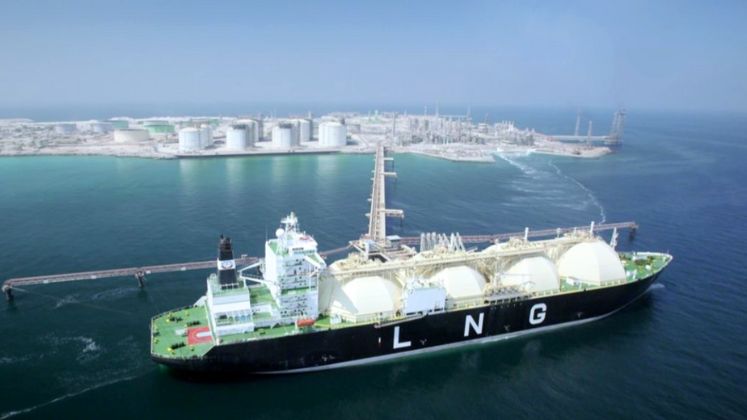
The energy sector is not immune either. Analysts have cautioned that increasing import taxes on crude oil from Canada and Mexico could drive up U.S. energy prices. According to a report from the Congressional Research Service, nearly 60% of U.S. crude oil imports come from Canada, underscoring the potential for price volatility in the energy market.
Despite these risks, Trump’s supporters argue that tariffs are a necessary tool to protect American interests and promote fair trade. They downplay concerns about inflation, suggesting that Trump’s broader economic agenda—including tax cuts and deregulation—could offset any negative effects. However, as trade tensions escalate, the potential for global economic disruption, strained diplomatic ties, and domestic political fallout remains a significant concern, especially as the administration prepares for the next phase of its economic strategy.