Indian PM likely to visit China soon: Ajit Doval

- Update Time : 03:52:30 am, Wednesday, 20 August 2025
- / 414 Time View
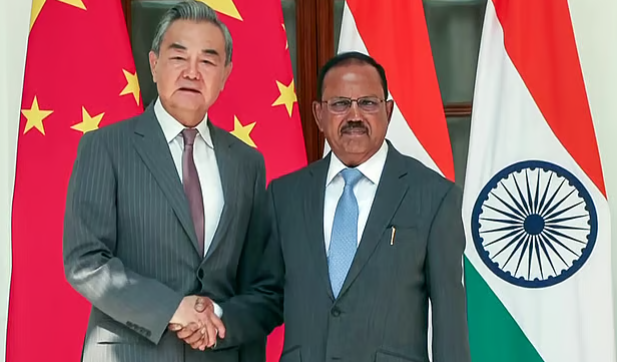

Modi to Visit China for SCO Summit Amid Talks on Ties and River Dam Concerns
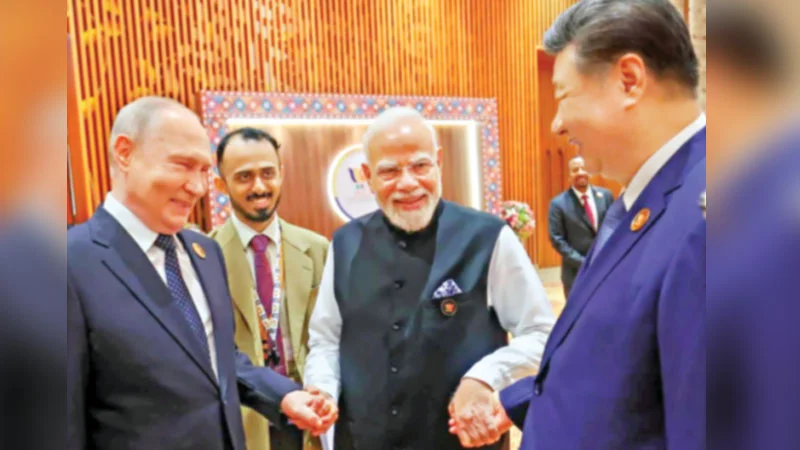
Indian Prime Minister Narendra Modi is set to travel to China later this month to attend the Shanghai Cooperation Organization (SCO) summit in Tianjin on August 31, marking his first visit to the country since 2018.
The announcement was made by India’s National Security Adviser Ajit Doval during a meeting in New Delhi with Chinese Foreign Minister Wang Yi. Doval said the trip reflects “new energy” in the relationship between the two Asian neighbors.
Wang responded that Beijing places “great importance” on Modi’s participation in the summit, adding that “a stable and healthy China-India relationship serves the core and long-term interests of both nations.”
Modi later wrote on X (formerly Twitter) that since his meeting with Chinese President Xi Jinping in Kazan last year, bilateral ties have advanced steadily, guided by “mutual respect for each other’s interests and sensitivities.” He said he looks forward to meeting Xi again in Tianjin, stressing that constructive ties between the two countries are crucial for regional and global peace.
During Wang’s visit, India also raised concerns over Beijing’s approval of a massive hydropower dam project on the Yarlung Tsangpo river in Tibet, which flows into India as the Brahmaputra. New Delhi emphasized the need for “utmost transparency,” warning of potential downstream consequences for India and Bangladesh.
China has linked the dam project, approved in December, to its carbon neutrality targets and economic development goals in Tibet. Once completed, it is expected to surpass the Three Gorges Dam in scale, raising concerns about its environmental and humanitarian impact.
Despite tensions, including a deadly border clash in 2020 and ongoing competition for influence in South Asia, both countries have signaled willingness to stabilize ties. India remains a member of the Quad alliance with the United States, Japan, and Australia—often seen as a counterbalance to China—but Beijing and New Delhi have been working to manage differences amid global trade and geopolitical uncertainty.
Wang, in talks with Indian Foreign Minister Subrahmanyam Jaishankar, stressed that China and India should treat one another as “partners and opportunities” rather than adversaries.