Journalists must stand united to uphold their professional interests in the current context

- Update Time : 07:29:26 pm, Saturday, 17 January 2026
- / 481 Time View


Editors, publishers, and media professionals have reaffirmed their commitment to continuing independent journalism under all circumstances, stressing that internal divisions pose the greatest threat to the media today. Speakers warned that disunity has made the press vulnerable to repeated attacks and emphasized that collective resistance is essential to defend press freedom. According to them, unity in support of independent journalism is now an urgent necessity.
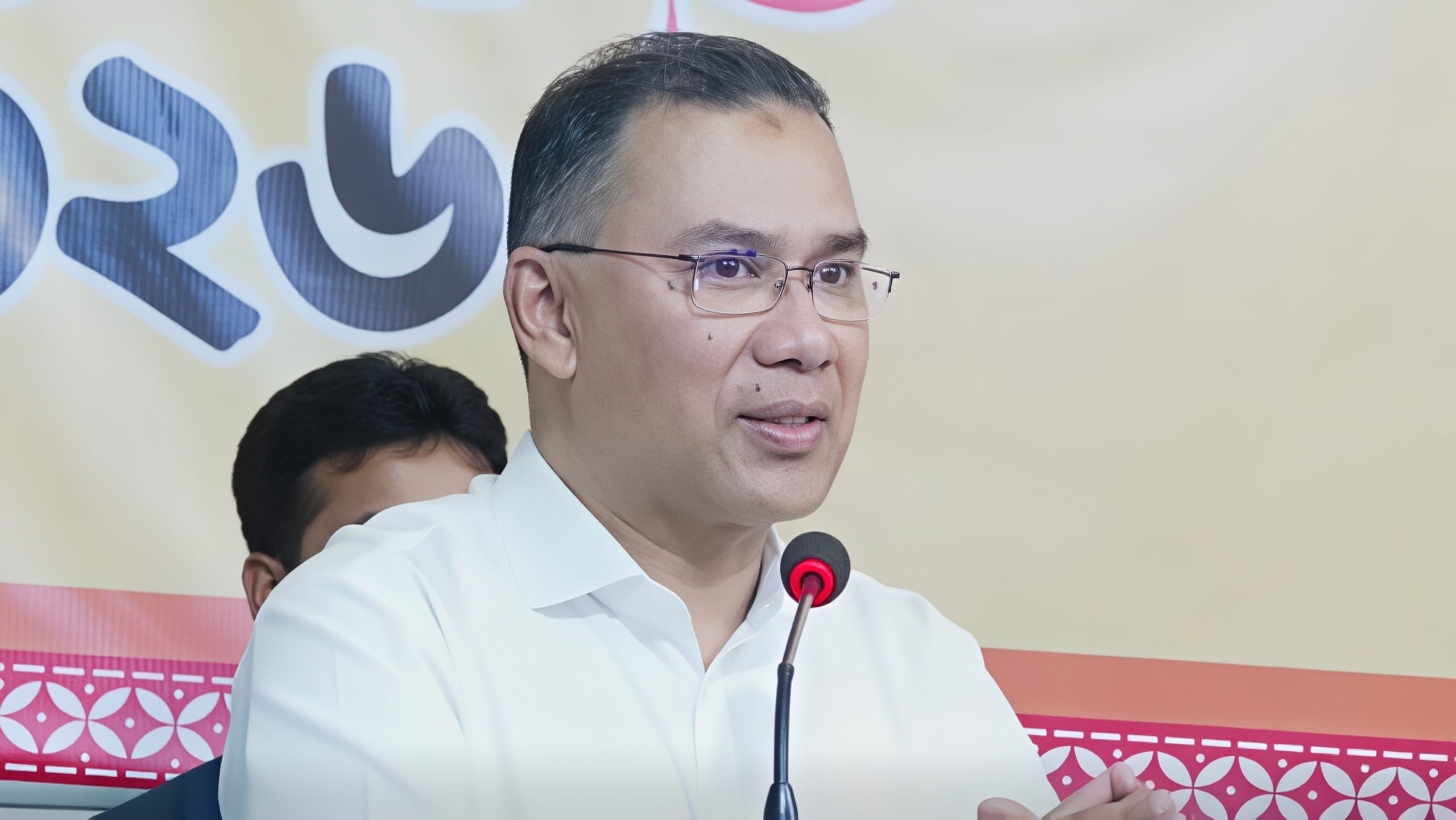
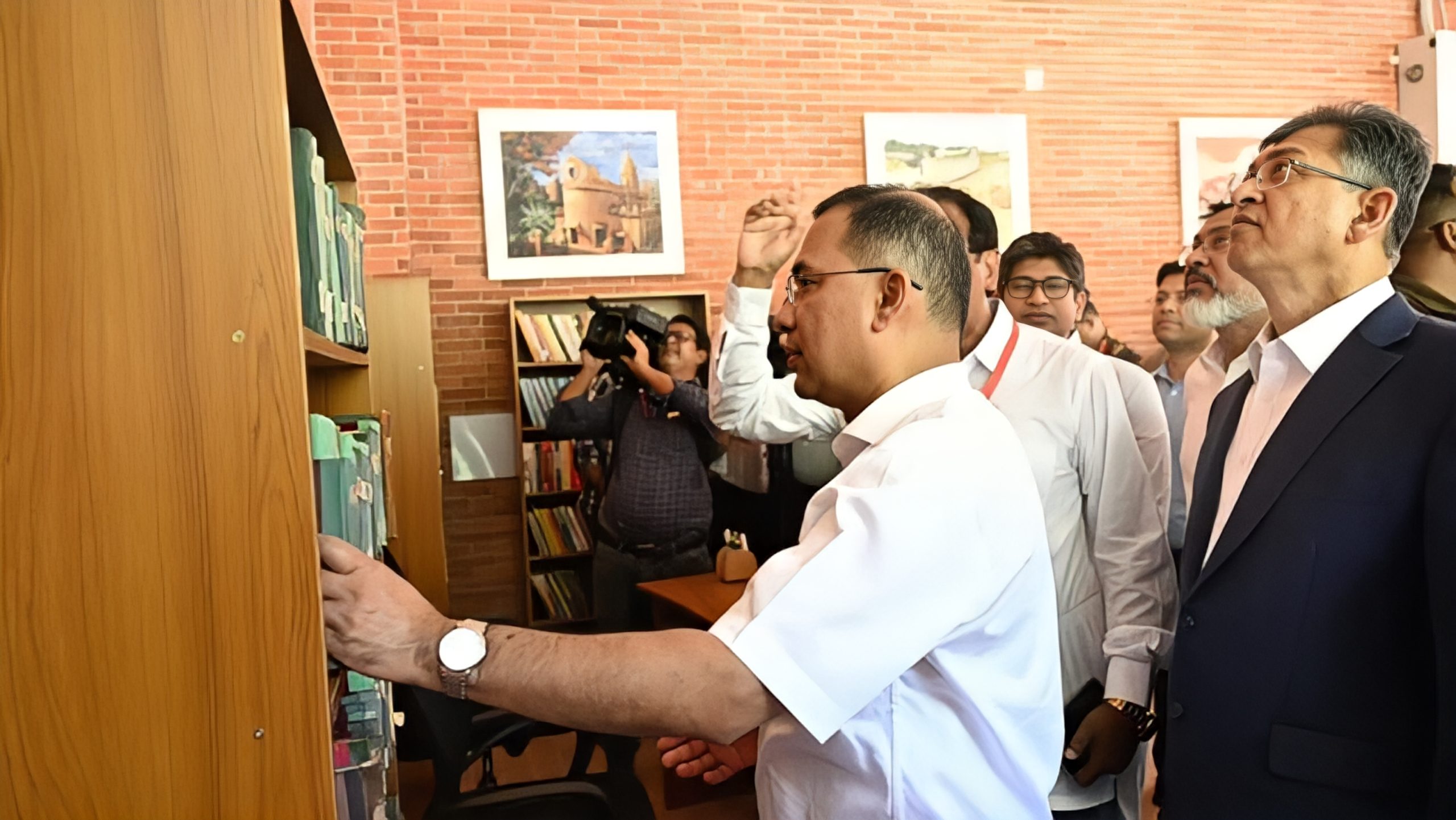
These views emerged from “Media Convergence 2026,” held on Saturday morning at the Krishibid Institution Bangladesh (KIB) auditorium in Farmgate, Dhaka. The event was jointly organized by the Newspaper Owners’ Association of Bangladesh (NOAB) and the Editors’ Council to protest organized attacks on freedom of expression and democratic values, and to demonstrate solidarity in favor of independent, responsible, and courageous journalism. Organizers expressed hope that similar gatherings would be held both in Dhaka and across the country in the coming days.
The program began with the national anthem, followed by the screening of a documentary highlighting the history of the media, attacks on press freedom, and the objectives of the gathering.
Participants included members of NOAB and the Editors’ Council, leaders of the National Press Club, Bangladesh Federal Journalists Union, Dhaka Journalists Union, Dhaka Reporters Unity, Broadcast Journalist Center, Diplomatic Correspondents Association, Economic Reporters Forum, Photojournalists’ Association, Crime Reporters Association, as well as journalists, editors, and publishers from outside Dhaka, along with senior journalists and columnists.
The event was moderated by Dewan Hanif Mahmud, general secretary of the Editors’ Council and editor of Bonik Barta. NOAB President AK Azad was unable to attend as he is currently abroad for medical treatment.
Attacks on newspapers described as “medieval barbarity”
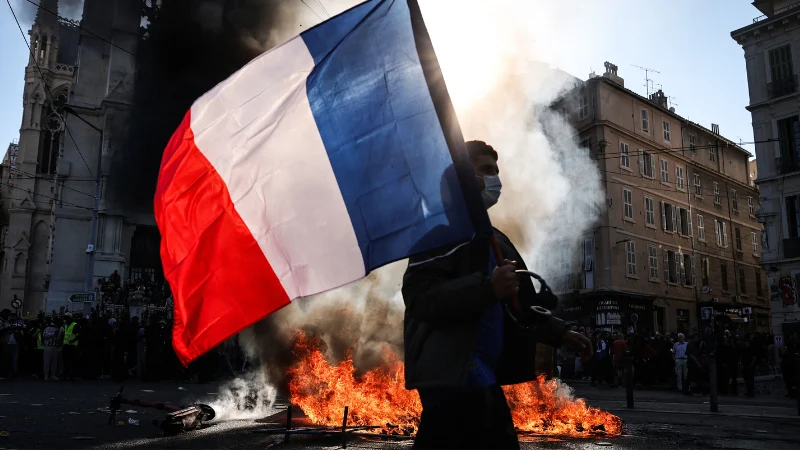
In his opening remarks, Editors’ Council President and New Age editor Nurul Kabir described the attacks, vandalism, and arson targeting Prothom Alo and The Daily Star as acts of “medieval barbarity.” Referring to incidents where firefighters were allegedly prevented from reaching the scene, he said that such actions amounted to an attempt to burn journalists alive—an expression of extreme savagery in an age that claims to be civilized.
He warned that all media outlets are equally at risk, saying, “Today it happened to one organization; tomorrow it could happen to yours.” Calling for unity, he emphasized that diversity of opinion is vital for society, noting that when the media is silenced, crime and injustice spread unchecked.
In his concluding remarks, Nurul Kabir highlighted discussions on internal reform within journalism and the need to cleanse the profession of unethical practices. He stressed that unity must not become an empty slogan, which is why media organizations nationwide have come together. He also noted plans for further assemblies inside and outside Dhaka and ongoing work on strengthening media ethics.
Call for professional independence
Veteran journalist Shafik Rehman urged journalists to uphold professional independence, reject personality worship, and develop alternative skills. He described journalism not merely as a job but as a moral responsibility, stressing the need for financial and intellectual self-reliance.
Expressing concern over journalists being labeled as political agents, he cautioned against falling into partisan “magic” that erodes professional dignity. He said restoring journalism’s status as a respected profession is the responsibility of journalists themselves and proposed forming an independent body to set editorial and ethical standards.
Independent media benefits the state and justice system
The Daily Star editor Mahfuz Anam said governments benefit the most from truly independent journalism. He argued that political allies, bureaucracy, and intelligence agencies often shield leaders from the truth, while independent media alone can speak honestly to power.
He noted that the country now has an opportunity to rebuild democracy and establish accountability following recent political upheavals. Calling for a new era of ethical, democratic, and courageous journalism, he emphasized the need for unity to regain public trust.
Mahfuz Anam pointed out that the constitution provides special protection to only two institutions: the independent judiciary and independent media, describing them as complementary pillars of democracy. He warned against misusing contempt laws to silence journalists and stressed the heightened ethical responsibility of editors and media owners.
Unity among journalists is essential
Prothom Alo editor Matiur Rahman stressed the importance of unity, warning that disputes at any time and on any issue weaken the profession. He described the convergence of print, online, television, and journalists’ unions as a major milestone, calling it one of the most significant collective efforts in decades.
He emphasized solidarity, mutual respect, and standing by one another regardless of ideological differences, cautioning that no future government alone can guarantee press freedom. According to him, unity and cooperation are the most important messages for the future.
Editors from regional newspapers echoed similar concerns, warning that independent journalism has always faced obstacles regardless of changes in government and that the current risks are particularly severe.
Demand for implementation of media reform recommendations
Former Media Reform Commission chief Kamal Ahmed expressed frustration that a journalist protection law has yet to be implemented despite broad consensus. He said the government must take responsibility for attacks on journalists and media institutions after failing to honor its commitments.
Criticizing the arrest of journalists, he said that in a democracy, dialogue and debate—not detention—should resolve disagreements.
Broadcast Journalist Center President Rezwanul Haque remarked that governments often see the media as an ally in opposition but as an enemy once in power. He said the lack of unity within the media remains its greatest weakness and called on all journalists to stand together.
Several other senior editors, media executives, journalists’ union leaders, and prominent journalists from across the country also addressed the gathering, reinforcing the shared message: without unity, press freedom cannot survive.