Dhaka 10:29 pm, Friday, 24 April 2026

The Strategic Tool the U.S. Gave China

Staff Correspondent:
  • Update Time : 06:11:48 am, Saturday, 24 January 2026
  • / 170 Time View

In 1992, Chinese leader Deng Xiaoping visited Baotou in Inner Mongolia, home to one of China’s largest mineral zones. During that visit, he made a remark that few took seriously at the time: “The Middle East has oil, and China has rare earths.”

China’s leadership and the Communist Party, however, understood the long-term importance of that idea. Combined with strategic choices made later—and key missteps by the United States—Deng’s vision eventually gave China a major geopolitical advantage.

Rare earths refer to 17 specialized elements found in the middle of the periodic table. They are not visible in everyday life, yet they form the backbone of modern technology. Smartphones, electric vehicles, wind turbines, military drones, advanced fighter jets, radar systems, and many high-tech medical and industrial tools all depend on them.

Despite the name, rare earths are not truly rare. They are called “rare” because they are seldom found in concentrated, pure forms that are easy or profitable to extract. These elements are usually mixed with other minerals, making separation difficult, expensive, and environmentally damaging.

China did not initially plan to dominate this sector. In fact, the United States and other Western nations once led global rare earth production. Until the 1980s, the U.S. was the world’s largest producer. But as environmental regulations tightened and costs increased, Western countries gradually pulled back. China stepped in where others hesitated.

Accepting environmental risks, China invested heavily in mining, refining, and processing rare earths. Over decades, it built expertise across the entire supply chain—from extraction to advanced manufacturing. Today, China holds the largest reserves of rare earths and controls most of the world’s refining and processing capacity.

Even when profits were limited, the Chinese government continued to support the industry. That long-term commitment resulted in a powerful, self-sufficient industrial ecosystem that few countries can replicate quickly.

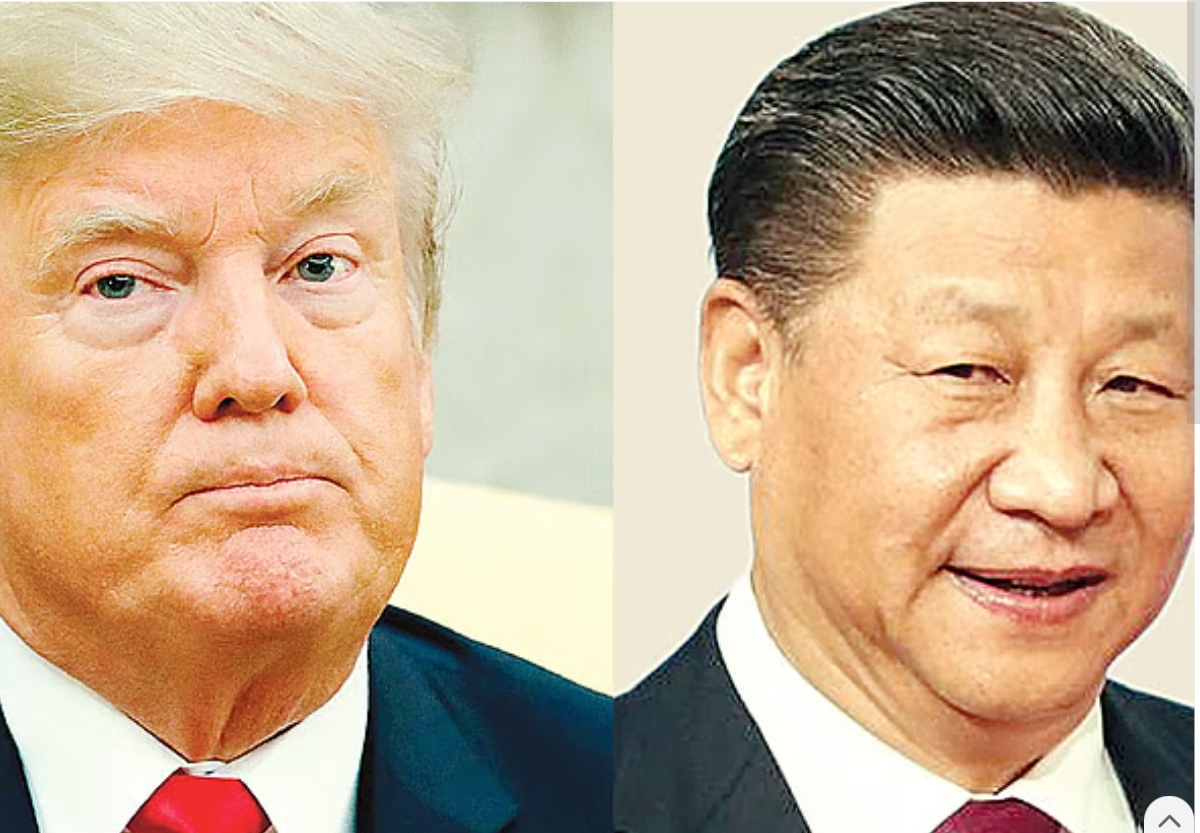
By April 2025, the United States began to fully grasp the consequences of this dependence. After Washington imposed steep tariffs on Chinese goods, Beijing responded by restricting exports of certain rare earths and specialized magnets.

Although these materials make up only a small portion of China’s exports to the U.S., they are critical to America’s most important industries—especially defense. The move caused serious concern in Washington. Rare earths have now become one of China’s strongest bargaining tools. When the U.S. applies pressure over technology or semiconductors, China can counter using its control over these materials.

This dependence goes beyond weapons and defense. Computers, robotics, medical equipment, and advanced automation systems in the U.S. also rely heavily on Chinese rare earth supplies. In extreme cases, disruptions could bring entire industries to a halt.

Rare earths are no longer ordinary commodities. They are strategic assets tied directly to national security and global power. Building an alternative supply chain requires far more than opening new mines—it demands a complete industrial system, including refining, manufacturing, and technological expertise. China took more than forty years to reach this position.

At the heart of China’s success lies Deng Xiaoping’s pragmatic thinking. For the United States, oil was the defining resource of power. For China, rare earths have taken that role.

In the age of artificial intelligence and automation, rare earths are replacing oil as the most critical resource. The country that controls their supply will lead the next wave of technological innovation.

Tag :

Please Share This Post in Your Social Media

The Strategic Tool the U.S. Gave China

Update Time : 06:11:48 am, Saturday, 24 January 2026

In 1992, Chinese leader Deng Xiaoping visited Baotou in Inner Mongolia, home to one of China’s largest mineral zones. During that visit, he made a remark that few took seriously at the time: “The Middle East has oil, and China has rare earths.”

China’s leadership and the Communist Party, however, understood the long-term importance of that idea. Combined with strategic choices made later—and key missteps by the United States—Deng’s vision eventually gave China a major geopolitical advantage.

Rare earths refer to 17 specialized elements found in the middle of the periodic table. They are not visible in everyday life, yet they form the backbone of modern technology. Smartphones, electric vehicles, wind turbines, military drones, advanced fighter jets, radar systems, and many high-tech medical and industrial tools all depend on them.

Despite the name, rare earths are not truly rare. They are called “rare” because they are seldom found in concentrated, pure forms that are easy or profitable to extract. These elements are usually mixed with other minerals, making separation difficult, expensive, and environmentally damaging.

China did not initially plan to dominate this sector. In fact, the United States and other Western nations once led global rare earth production. Until the 1980s, the U.S. was the world’s largest producer. But as environmental regulations tightened and costs increased, Western countries gradually pulled back. China stepped in where others hesitated.

Accepting environmental risks, China invested heavily in mining, refining, and processing rare earths. Over decades, it built expertise across the entire supply chain—from extraction to advanced manufacturing. Today, China holds the largest reserves of rare earths and controls most of the world’s refining and processing capacity.

Even when profits were limited, the Chinese government continued to support the industry. That long-term commitment resulted in a powerful, self-sufficient industrial ecosystem that few countries can replicate quickly.

By April 2025, the United States began to fully grasp the consequences of this dependence. After Washington imposed steep tariffs on Chinese goods, Beijing responded by restricting exports of certain rare earths and specialized magnets.

Although these materials make up only a small portion of China’s exports to the U.S., they are critical to America’s most important industries—especially defense. The move caused serious concern in Washington. Rare earths have now become one of China’s strongest bargaining tools. When the U.S. applies pressure over technology or semiconductors, China can counter using its control over these materials.

This dependence goes beyond weapons and defense. Computers, robotics, medical equipment, and advanced automation systems in the U.S. also rely heavily on Chinese rare earth supplies. In extreme cases, disruptions could bring entire industries to a halt.

Rare earths are no longer ordinary commodities. They are strategic assets tied directly to national security and global power. Building an alternative supply chain requires far more than opening new mines—it demands a complete industrial system, including refining, manufacturing, and technological expertise. China took more than forty years to reach this position.

At the heart of China’s success lies Deng Xiaoping’s pragmatic thinking. For the United States, oil was the defining resource of power. For China, rare earths have taken that role.

In the age of artificial intelligence and automation, rare earths are replacing oil as the most critical resource. The country that controls their supply will lead the next wave of technological innovation.