Dhaka 8:25 pm, Friday, 24 April 2026

Rail Line Without Riders in Munshiganj

Staff Correspondent:
  • Update Time : 09:20:08 pm, Monday, 26 January 2026
  • / 238 Time View

The Dhaka–Mawa–Bhanga railway corridor is widely described as a new gateway linking the capital with Bangladesh’s southwest. High-speed trains now cross the Padma Bridge, heading toward Khulna, Jashore, Faridpur, and Gopalganj.

Yet for the people of Munshiganj, through whose heart the rail line passes, the trains still do not stop.

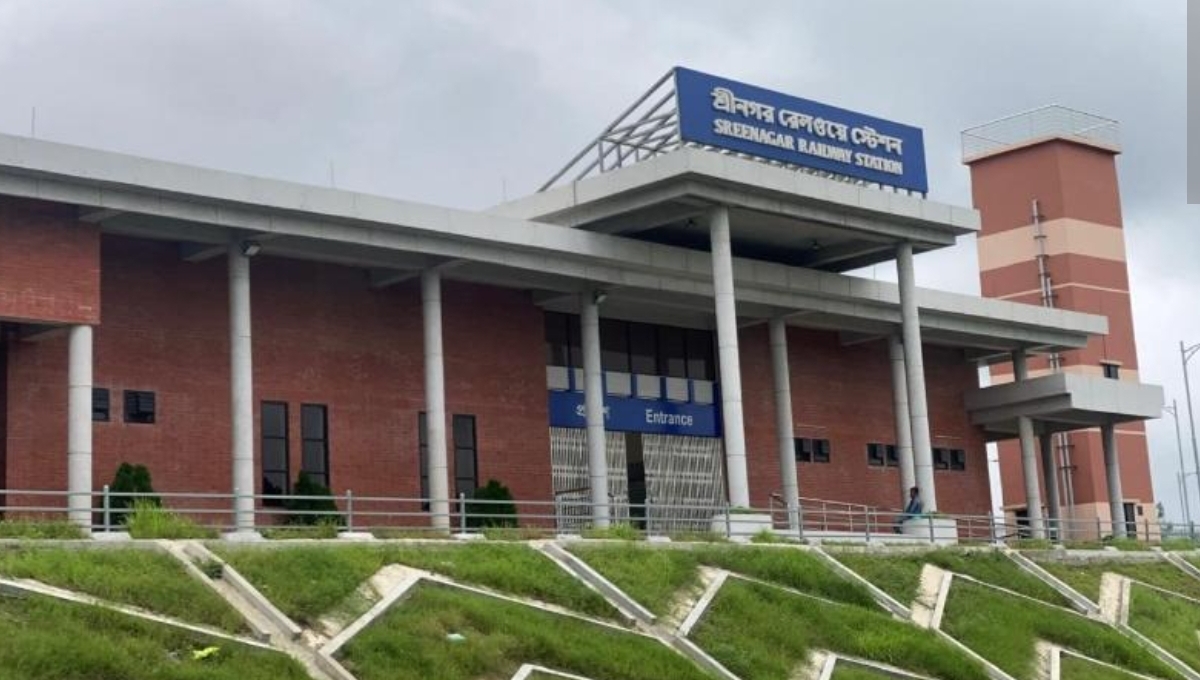
Although the railway cuts through Louhajang, Srinagar, and Sirajdikhan upazilas, residents of these areas remain without passenger rail service. According to official records, stations were built at Mawa (Louhajang), Srinagar, and Nimtala (Sirajdikhan), but no regular passenger or intercity trains currently halt at any of them. What was meant to symbolize progress has instead become a sign of exclusion for local communities.

To make way for the railway, thousands of families in Munshiganj gave up homesteads and agricultural land. While some received compensation, many lost their homes and roots permanently. During the project’s announcement, authorities said the rail link would improve local mobility and boost economic activity. In reality, trains now pass through at speed—without stopping.

Mawa Station in Louhajang is fully constructed, yet no intercity trains serve it. Srinagar Station stands silent and largely unused, while Nimtala Station in Sirajdikhan has become effectively inactive.

Daily life in these three upazilas is closely connected to Dhaka. Thousands travel to the capital each day for work, education, and healthcare. Without rail access, they must rely on road transport, where congestion and delays are routine.

Local residents say they are not demanding long-distance services. Instead, they want commuter or local trains on the Dhaka–Mawa route, which would make travel easier and more affordable. Although early railway plans mentioned the possibility of local or shuttle services, no such trains have been introduced so far.

As a result, many in Munshiganj feel the railway was never built for them—they merely sacrificed land so others could benefit.

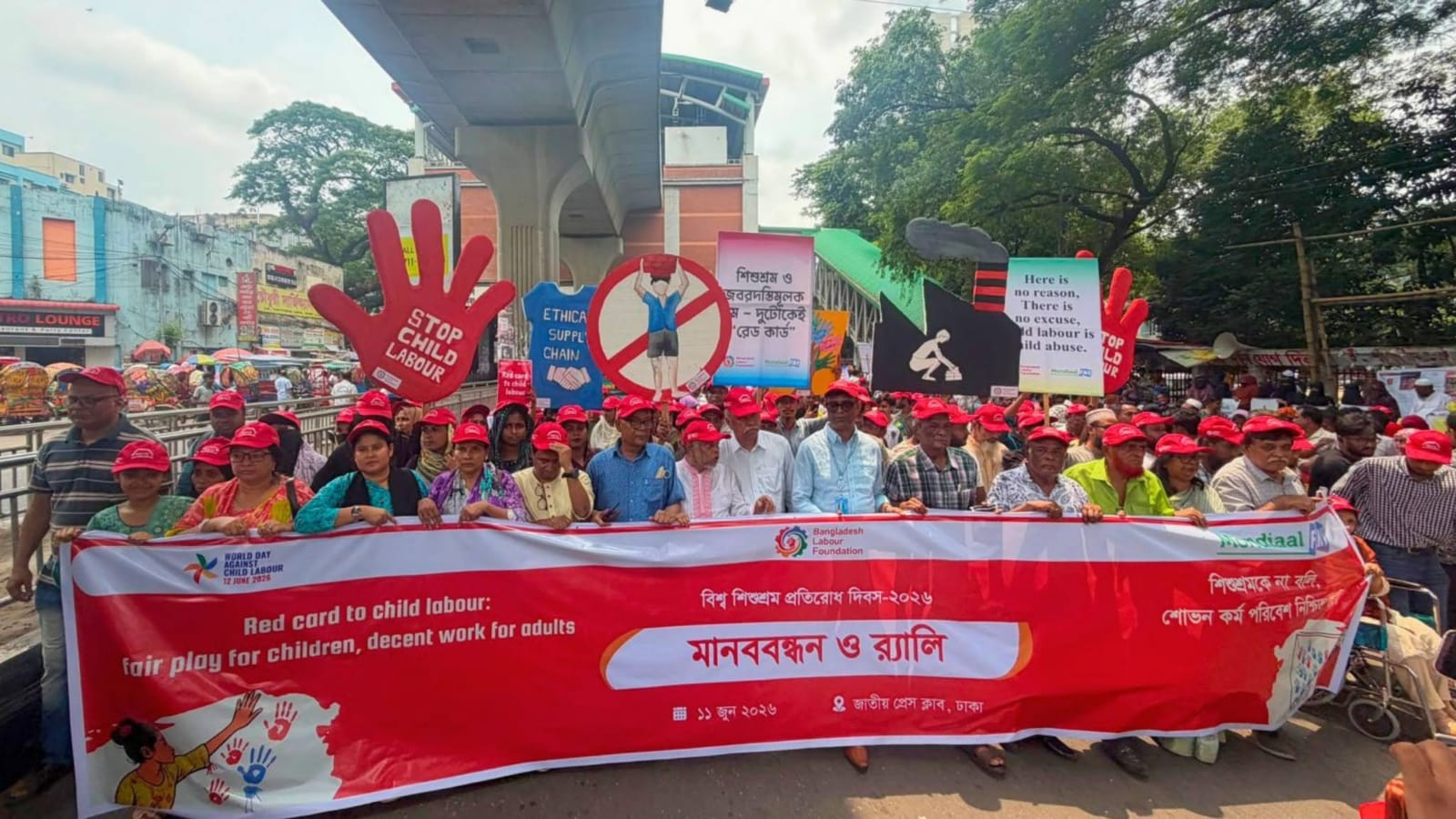
Recently, residents organized a human chain protest. One banner read:

“Trains run over our land, but we get no benefit.”

An elderly woman at the protest said the government promised development, and people gave up land and homes in good faith. “Now we see nothing was meant for us,” she said.

The demands from locals and elected representatives are clear:

Make Mawa Station operational

Stop at least some passenger trains at Srinagar Station

Use Nimtala Station for local or shuttle services

Introduce commuter trains on the Dhaka–Mawa route

Because development only has meaning when it improves everyday life. Otherwise, the words echoed by Munshiganj residents will remain true:

“The railway runs over our land—but not for us.”
Tag :

Please Share This Post in Your Social Media

Rail Line Without Riders in Munshiganj

Update Time : 09:20:08 pm, Monday, 26 January 2026

The Dhaka–Mawa–Bhanga railway corridor is widely described as a new gateway linking the capital with Bangladesh’s southwest. High-speed trains now cross the Padma Bridge, heading toward Khulna, Jashore, Faridpur, and Gopalganj.

Yet for the people of Munshiganj, through whose heart the rail line passes, the trains still do not stop.

Although the railway cuts through Louhajang, Srinagar, and Sirajdikhan upazilas, residents of these areas remain without passenger rail service. According to official records, stations were built at Mawa (Louhajang), Srinagar, and Nimtala (Sirajdikhan), but no regular passenger or intercity trains currently halt at any of them. What was meant to symbolize progress has instead become a sign of exclusion for local communities.

To make way for the railway, thousands of families in Munshiganj gave up homesteads and agricultural land. While some received compensation, many lost their homes and roots permanently. During the project’s announcement, authorities said the rail link would improve local mobility and boost economic activity. In reality, trains now pass through at speed—without stopping.

Mawa Station in Louhajang is fully constructed, yet no intercity trains serve it. Srinagar Station stands silent and largely unused, while Nimtala Station in Sirajdikhan has become effectively inactive.

Daily life in these three upazilas is closely connected to Dhaka. Thousands travel to the capital each day for work, education, and healthcare. Without rail access, they must rely on road transport, where congestion and delays are routine.

Local residents say they are not demanding long-distance services. Instead, they want commuter or local trains on the Dhaka–Mawa route, which would make travel easier and more affordable. Although early railway plans mentioned the possibility of local or shuttle services, no such trains have been introduced so far.

As a result, many in Munshiganj feel the railway was never built for them—they merely sacrificed land so others could benefit.

Recently, residents organized a human chain protest. One banner read:

“Trains run over our land, but we get no benefit.”

An elderly woman at the protest said the government promised development, and people gave up land and homes in good faith. “Now we see nothing was meant for us,” she said.

The demands from locals and elected representatives are clear:

Make Mawa Station operational

Stop at least some passenger trains at Srinagar Station

Use Nimtala Station for local or shuttle services

Introduce commuter trains on the Dhaka–Mawa route

Because development only has meaning when it improves everyday life. Otherwise, the words echoed by Munshiganj residents will remain true:

“The railway runs over our land—but not for us.”