Dhaka 6:56 am, Thursday, 2 April 2026

Salman Shah’s death mystery still unresolved decades later

Niloy Mridha
  • Update Time : 09:00:00 am, Saturday, 6 September 2025
  • / 3866 Time View

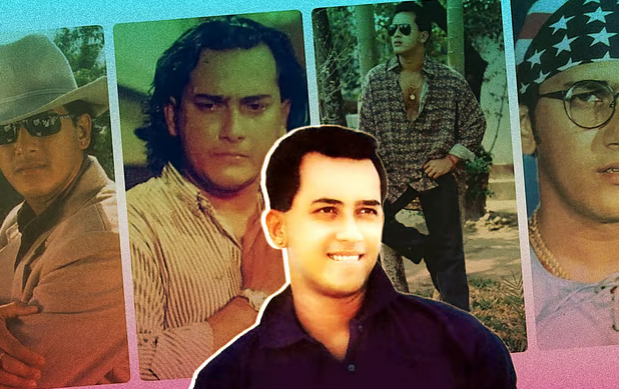
Salman Shah: The Timeless Icon of Bangladeshi Cinema

In just a four-year career, Salman Shah transformed Dhallywood and captured the hearts of millions. Born as Shahriar Chowdhury Emon, he passed away on 6 September 1996 at the age of 25. Nearly three decades later, questions remain—was it suicide or something more sinister?

The Day of the Tragedy

Salman Shah lived in a flat at Escaton Plaza on New Escaton Road in Dhaka. That morning, his father, Kamar Uddin Chowdhury, visited with his younger son but could not meet him, as the flat’s security initially refused entry. According to interviews with his mother, Nila Chowdhury, after a long wait and insistence, his father was allowed upstairs, but by the time they reached Salman, something seemed wrong.

Later that day, Nila received a call instructing her to go to Salman Shah’s flat immediately. Upon arrival, she found him lying on the bed in a troubling position. Observing his hands and feet turning bluish, she alerted her husband, realizing her son was gravely unwell. Salman Shah was rushed to Holy Family Hospital, where doctors declared him dead. Subsequent postmortem reports from Dhaka Medical College initially labeled the death as suicide, though controversy and speculation have persisted over the years.

A Career That Redefined Dhallywood

Despite his short life, Salman Shah left an indelible mark on Bangladeshi cinema. His first film appearances introduced a fresh style, combining natural acting with romantic charisma, breaking the mold of conventional heroes. He became the ultimate heartthrob of the 1990s, with audiences flocking to cinemas to see his every release.

On 5 September 1996, a day before his death, Salman Shah had gone to the Film Development Corporation (FDC) for dubbing the movie Prem Piyasi, where he met co-star Shabnur. Family tensions and professional pressures reportedly contributed to his emotional state. Several accounts suggest disputes with his wife and others added to his stress, though the precise circumstances remain debated.

Investigations and Controversy

Following his death, his father filed an unnatural death case. Over the years, multiple investigations, including reports by the Criminal Investigation Department (CID) and the Police Bureau of Investigation (PBI), have concluded that Salman Shah died by suicide. His mother and family, however, have repeatedly challenged these findings, raising concerns about the thoroughness and impartiality of the investigations.

Former wife Samira, in interviews, has also described Salman Shah as having struggled with mental health challenges, including prior suicide attempts. She maintained that his death was a result of suicidal tendencies rather than foul play.

The Enduring Legacy

Salman Shah was more than just an actor; he was a trendsetter. His fashion, dialogue delivery, and romantic portrayal redefined the hero of Dhallywood. He introduced a new genre of socially-conscious and romantic-action films, rejuvenating the Bangladeshi film industry in the 1990s and drawing producers and audiences back to cinemas.

Even decades after his passing, Salman Shah’s films—Keyamat Theke Keyamat, Tumi Amar, Antore Antore, Prem Juddho, and many others—remain cherished classics. His on-screen pairing with Shabnur is legendary, though he also worked with Moushumi, Shabnaz, Shahnoza, and others, creating unforgettable cinematic moments.

Though Salman Shah left the world too soon, he continues to live in the hearts of fans. His influence on Bangladeshi cinema remains unparalleled, and his films continue to be celebrated by new generations of viewers who admire his charm, talent, and timeless appeal.

Tag :

Please Share This Post in Your Social Media

Salman Shah’s death mystery still unresolved decades later

Update Time : 09:00:00 am, Saturday, 6 September 2025

Salman Shah: The Timeless Icon of Bangladeshi Cinema

In just a four-year career, Salman Shah transformed Dhallywood and captured the hearts of millions. Born as Shahriar Chowdhury Emon, he passed away on 6 September 1996 at the age of 25. Nearly three decades later, questions remain—was it suicide or something more sinister?

The Day of the Tragedy

Salman Shah lived in a flat at Escaton Plaza on New Escaton Road in Dhaka. That morning, his father, Kamar Uddin Chowdhury, visited with his younger son but could not meet him, as the flat’s security initially refused entry. According to interviews with his mother, Nila Chowdhury, after a long wait and insistence, his father was allowed upstairs, but by the time they reached Salman, something seemed wrong.

Later that day, Nila received a call instructing her to go to Salman Shah’s flat immediately. Upon arrival, she found him lying on the bed in a troubling position. Observing his hands and feet turning bluish, she alerted her husband, realizing her son was gravely unwell. Salman Shah was rushed to Holy Family Hospital, where doctors declared him dead. Subsequent postmortem reports from Dhaka Medical College initially labeled the death as suicide, though controversy and speculation have persisted over the years.

A Career That Redefined Dhallywood

Despite his short life, Salman Shah left an indelible mark on Bangladeshi cinema. His first film appearances introduced a fresh style, combining natural acting with romantic charisma, breaking the mold of conventional heroes. He became the ultimate heartthrob of the 1990s, with audiences flocking to cinemas to see his every release.

On 5 September 1996, a day before his death, Salman Shah had gone to the Film Development Corporation (FDC) for dubbing the movie Prem Piyasi, where he met co-star Shabnur. Family tensions and professional pressures reportedly contributed to his emotional state. Several accounts suggest disputes with his wife and others added to his stress, though the precise circumstances remain debated.

Investigations and Controversy

Following his death, his father filed an unnatural death case. Over the years, multiple investigations, including reports by the Criminal Investigation Department (CID) and the Police Bureau of Investigation (PBI), have concluded that Salman Shah died by suicide. His mother and family, however, have repeatedly challenged these findings, raising concerns about the thoroughness and impartiality of the investigations.

Former wife Samira, in interviews, has also described Salman Shah as having struggled with mental health challenges, including prior suicide attempts. She maintained that his death was a result of suicidal tendencies rather than foul play.

The Enduring Legacy

Salman Shah was more than just an actor; he was a trendsetter. His fashion, dialogue delivery, and romantic portrayal redefined the hero of Dhallywood. He introduced a new genre of socially-conscious and romantic-action films, rejuvenating the Bangladeshi film industry in the 1990s and drawing producers and audiences back to cinemas.

Even decades after his passing, Salman Shah’s films—Keyamat Theke Keyamat, Tumi Amar, Antore Antore, Prem Juddho, and many others—remain cherished classics. His on-screen pairing with Shabnur is legendary, though he also worked with Moushumi, Shabnaz, Shahnoza, and others, creating unforgettable cinematic moments.

Though Salman Shah left the world too soon, he continues to live in the hearts of fans. His influence on Bangladeshi cinema remains unparalleled, and his films continue to be celebrated by new generations of viewers who admire his charm, talent, and timeless appeal.