Dhaka 9:23 pm, Friday, 24 April 2026

“Life Behind the Smiles: Single Mothers in Dhaka”

Niloy Mridha
  • Update Time : 07:38:49 am, Thursday, 28 August 2025
  • / 591 Time View

The Hidden Struggles of Single Mothers in Dhaka


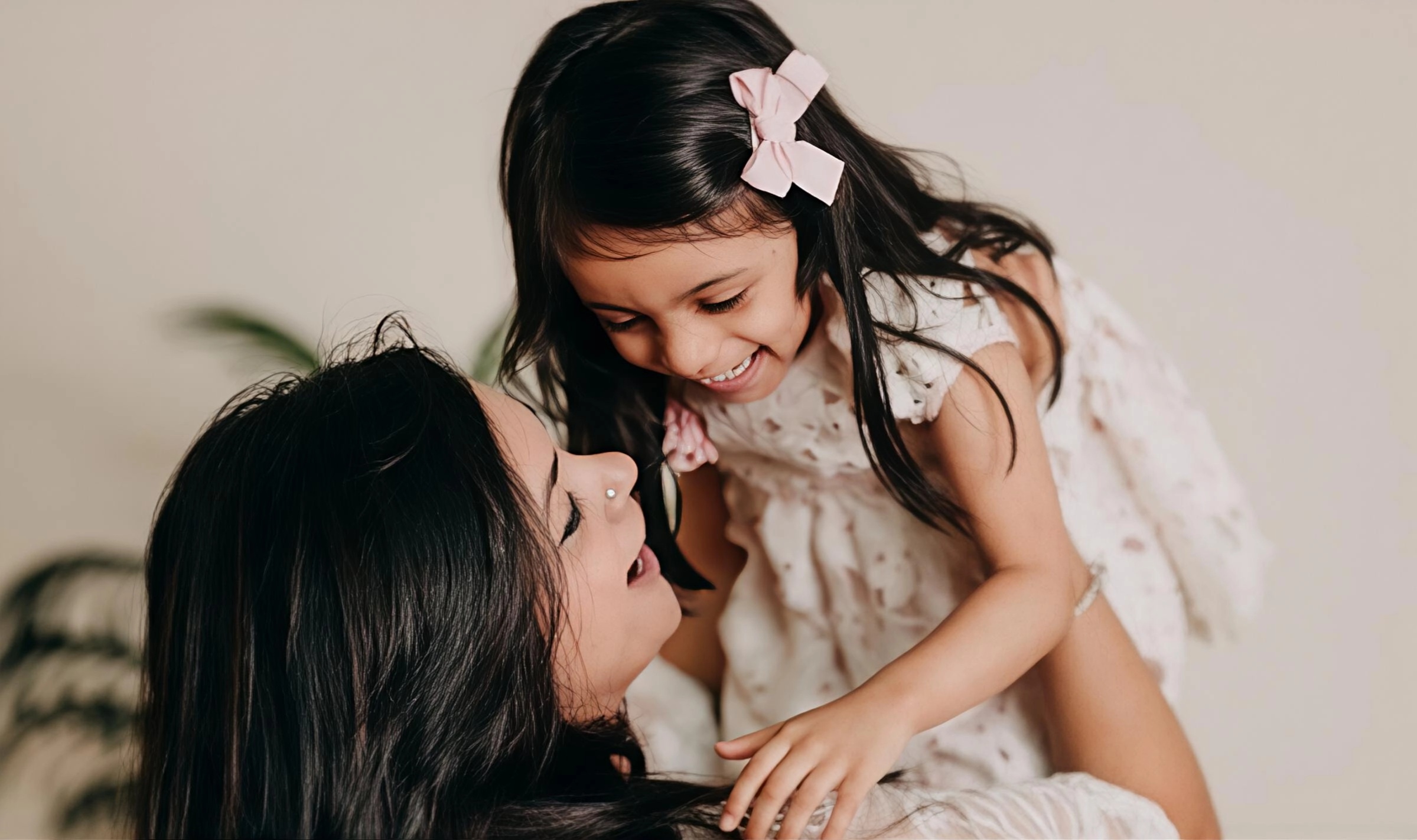
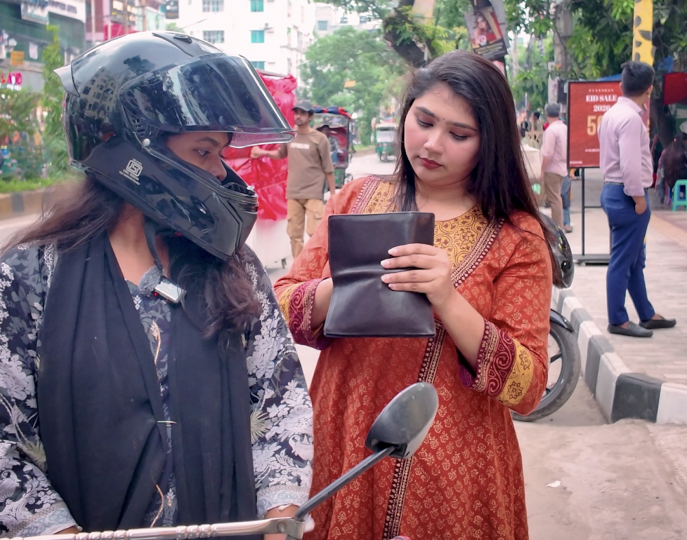
Beneath Dhaka’s fast-moving city life, single mothers face a quiet yet relentless battle. They strive to raise their children alone while navigating social stigma and judgment. A recent study has highlighted their untold experiences, showing how entrenched cultural and patriarchal norms, alongside societal misconceptions, often marginalize and underestimate their lives.


Researchers from the University of Liberal Arts Bangladesh (ULAB) conducted in-depth interviews with nine middle-class single mothers—including divorced, separated, and widowed women—to explore their lived experiences. Despite different personal circumstances, all participants reported facing prejudice, criticism, and social exclusion stemming from the belief that motherhood outside of marriage is morally or socially unacceptable.


“People assume that because I’ve been divorced twice and have a child, I must be a bad woman. But no one questions a man for the same,” shared one participant. Others recounted facing character attacks, harassment at work, and being unfairly blamed for failed marriages. Widows, often expected to receive sympathy, were sometimes labelled as “unfortunate” instead.


Even when single mothers thrive professionally, social stigma persists. Women employed in media, finance, and business noted that their successes often drew negative attention. One participant said, “Even now, my relatives talk about my earnings and how I make a living. They still feel I haven’t raised my child properly.”


Many single mothers reported being labeled “bad mothers” or “irresponsible” due to the widespread belief that they cannot provide proper care or spend enough time with their children. This stigma also affects their children: neighbors sometimes prevented their children from playing with theirs, and some mothers feared their growing children might face judgment or harsh questions about their family background.


The mental health impact is significant. Several women spoke of anxiety, depression, and emotional exhaustion. Two admitted attempting suicide under the weight of societal pressure. Many withdrew from social life, limiting interactions and avoiding gatherings to protect themselves and their children from criticism.


Financial independence alone does not shield single mothers from scrutiny; in fact, higher income can sometimes make them more visible and subject to judgment. To cope, single mothers have adopted various strategies, such as hiding their marital status, drawing strength from religious faith, meditation, or supportive friends. Some carefully managed how they appeared in public or avoided discussing their separation to reduce social backlash.


One woman explained, “This society doesn’t feed me, teach me, or help me. So why should I care what they say?” These survival strategies aim to maintain dignity, reduce exposure to stigma, and protect their children, relying on inner courage, trusted social circles, and measured silence.


Support remains limited, usually coming from close friends or family. Most participants were unaware of any government or NGO programs tailored to single mothers in Dhaka. They suggested the creation of counseling centers where women could share their experiences safely and called for legal reforms to recognize mothers as the sole legal guardian of their children.


“The government should give us recognition. If I am raising my child alone, I should be acknowledged as the child’s legal guardian,” one participant emphasized.


The study concludes that the challenges single mothers face are not due to personal failure but rather societal and cultural attitudes. These women—survivors of divorce, widowhood, abuse, and abandonment—are not victims by choice. The researchers recommend greater social awareness, educational campaigns, and inclusive policies to protect single mothers’ rights, dignity, and equality.
Tag :

Please Share This Post in Your Social Media

“Life Behind the Smiles: Single Mothers in Dhaka”

Update Time : 07:38:49 am, Thursday, 28 August 2025

The Hidden Struggles of Single Mothers in Dhaka


Beneath Dhaka’s fast-moving city life, single mothers face a quiet yet relentless battle. They strive to raise their children alone while navigating social stigma and judgment. A recent study has highlighted their untold experiences, showing how entrenched cultural and patriarchal norms, alongside societal misconceptions, often marginalize and underestimate their lives.


Researchers from the University of Liberal Arts Bangladesh (ULAB) conducted in-depth interviews with nine middle-class single mothers—including divorced, separated, and widowed women—to explore their lived experiences. Despite different personal circumstances, all participants reported facing prejudice, criticism, and social exclusion stemming from the belief that motherhood outside of marriage is morally or socially unacceptable.


“People assume that because I’ve been divorced twice and have a child, I must be a bad woman. But no one questions a man for the same,” shared one participant. Others recounted facing character attacks, harassment at work, and being unfairly blamed for failed marriages. Widows, often expected to receive sympathy, were sometimes labelled as “unfortunate” instead.


Even when single mothers thrive professionally, social stigma persists. Women employed in media, finance, and business noted that their successes often drew negative attention. One participant said, “Even now, my relatives talk about my earnings and how I make a living. They still feel I haven’t raised my child properly.”


Many single mothers reported being labeled “bad mothers” or “irresponsible” due to the widespread belief that they cannot provide proper care or spend enough time with their children. This stigma also affects their children: neighbors sometimes prevented their children from playing with theirs, and some mothers feared their growing children might face judgment or harsh questions about their family background.


The mental health impact is significant. Several women spoke of anxiety, depression, and emotional exhaustion. Two admitted attempting suicide under the weight of societal pressure. Many withdrew from social life, limiting interactions and avoiding gatherings to protect themselves and their children from criticism.


Financial independence alone does not shield single mothers from scrutiny; in fact, higher income can sometimes make them more visible and subject to judgment. To cope, single mothers have adopted various strategies, such as hiding their marital status, drawing strength from religious faith, meditation, or supportive friends. Some carefully managed how they appeared in public or avoided discussing their separation to reduce social backlash.


One woman explained, “This society doesn’t feed me, teach me, or help me. So why should I care what they say?” These survival strategies aim to maintain dignity, reduce exposure to stigma, and protect their children, relying on inner courage, trusted social circles, and measured silence.


Support remains limited, usually coming from close friends or family. Most participants were unaware of any government or NGO programs tailored to single mothers in Dhaka. They suggested the creation of counseling centers where women could share their experiences safely and called for legal reforms to recognize mothers as the sole legal guardian of their children.


“The government should give us recognition. If I am raising my child alone, I should be acknowledged as the child’s legal guardian,” one participant emphasized.


The study concludes that the challenges single mothers face are not due to personal failure but rather societal and cultural attitudes. These women—survivors of divorce, widowhood, abuse, and abandonment—are not victims by choice. The researchers recommend greater social awareness, educational campaigns, and inclusive policies to protect single mothers’ rights, dignity, and equality.