Rethinking the Bangladesh-India Relationship: A Call for Respect, Fairness, and Mutual Trust

- Update Time : 05:50:55 pm, Thursday, 31 July 2025
- / 821 Time View
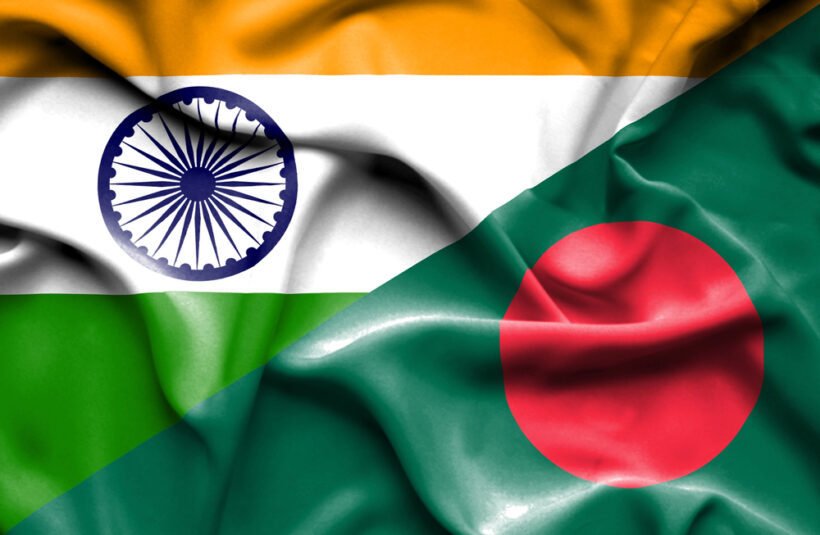

Since the removal of former Prime Minister Sheikh Hasina following the massive student-led protests in mid-2024, Bangladesh-India relations have become increasingly strained. India’s media portrayal of Bangladesh and its apparent unwillingness to extradite Hasina have stoked anti-India sentiments among the Bangladeshi public. Adding to this shift, the interim government’s chief adviser chose China for his first official foreign visit—breaking with the decades-old tradition of prioritising New Delhi—signaling a notable change in Dhaka’s diplomatic orientation. The tension has since escalated into tit-for-tat trade restrictions on key routes between the two neighbours.
As South Asia’s largest power and an emerging global actor, India holds both the ability and responsibility to reset its approach toward Bangladesh. Historically, the bilateral relationship has leaned heavily on goodwill but often lacked balance. Bangladesh is not a junior partner to be managed, but a sovereign state with its own legitimate interests—interests that demand recognition, not paternalism.
Diplomatic Equity, Not Equality
Equity in diplomacy does not mean treating all nations identically. It means recognising differences in capacity and size, while ensuring fairness and mutual respect. Greater powers must avoid imposing their will and instead work to create structures that allow for more balanced cooperation.
The foundational principles of international relations, as outlined in the UN Charter, uphold the sovereign equality of all member states. Bangladesh’s voice in regional matters—be it on trade, water resources, or security—should carry equal weight, irrespective of size or power. True partnership requires this dignity.
Non-Interference and Trust-Building
India’s perceived influence in Bangladesh’s internal political landscape has long been a source of distrust. Lasting cooperation requires that both sides respect each other’s sovereignty and avoid meddling in domestic affairs.
These are not abstract ideals—they are necessary principles for enduring and respectful diplomacy. In order for ties between Dhaka and Delhi to prosper in today’s complex world, both countries must internalise and practice these values.
The Teesta and Beyond: Shared Resources, Shared Responsibility
Despite repeated assurances, India has failed to finalize the Teesta water-sharing agreement, largely due to resistance from the West Bengal state government. In the meantime, farmers in Bangladesh’s northern districts continue to suffer from inadequate water access. Addressing this issue requires genuine political will, sensitivity to the human impact, and a willingness to make fair compromises.
Similarly, repeated incidents of border violence involving Indian security forces and Bangladeshi civilians remain a major sore point. These events violate bilateral understandings and chip away at trust. India must act more decisively to ensure accountability and protect civilian lives.
Trade Imbalance and Economic Fairness
Although India enjoys a large trade surplus with Bangladesh—exporting over $11 billion worth of goods annually—Bangladesh’s exports to India remain below $2 billion. This gap isn’t purely market-driven; it’s compounded by regulatory obstacles, tariffs, and bureaucratic delays. If India is serious about equitable partnership, it must ease these barriers and support Bangladesh’s access to its markets.
Connectivity projects have seen some positive momentum, such as renewed rail and road links and cross-border energy cooperation. Bangladesh has facilitated Indian transit needs generously, but these arrangements must be built on mutual benefit, not one-sided advantage. Bangladesh’s geographic position is strategic and sovereign—deserving respect and fair negotiation.
A Vision for Regional Cooperation
India’s ambition to lead South Asia must rest on inclusivity, fairness, and shared growth. Leadership rooted in dominance is unsustainable. Real regional leadership means uplifting neighbours, not sidelining them.
The potential for collaboration is immense: from climate action and disaster response to counterterrorism, trade, and cultural exchange. Unlocking that potential requires a shift away from old power dynamics. India must treat Bangladesh as a genuine partner, not an adjunct to its regional vision.
Bangladesh, in turn, should assert its interests with diplomatic confidence. Leveraging its growing strategic importance, Dhaka should use platforms like SAARC and BIMSTEC to advocate for a fairer regional order—one where power is exercised with responsibility and restraint.