Bangladesh Set for First Contested Presidential Vote in 35 YearsO

- Update Time : 06:58:01 am, Thursday, 20 August 2026
- / 226 Time View
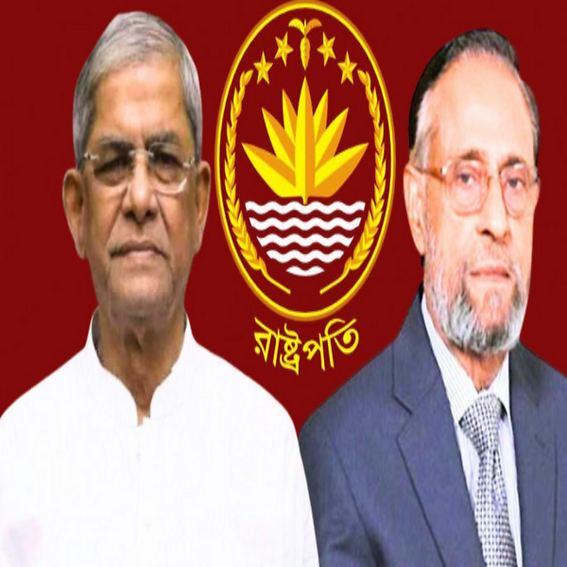

Bangladesh is preparing for its first competitive presidential election in more than three decades, with lawmakers set to cast their votes to choose the country’s 23rd President.
The election marks the first time since 1991 that more than one candidate is contesting for the presidency. In the years since Bangladesh returned to a parliamentary system, presidential races have typically been uncontested, with a single nominee securing the office without a vote.
Two Candidates in the Race
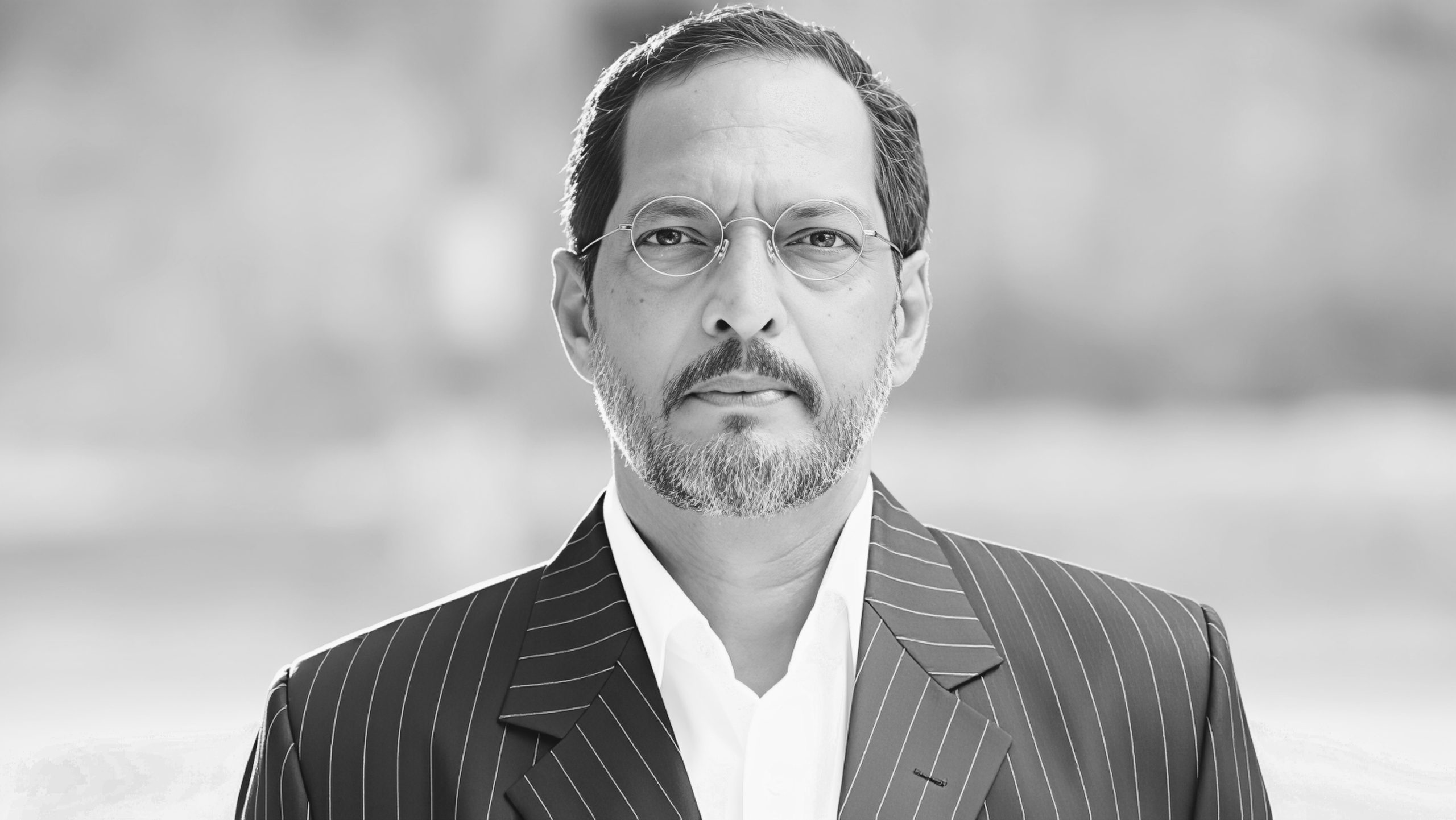
The ruling BNP-backed candidate is Mirza Fakhrul Islam Alamgir, the party’s Secretary General and a senior cabinet member. He faces Oli Ahmad, chairman of the Liberal Democratic Party (LDP) and a candidate supported by an opposition alliance led by Jamaat-e-Islami.
A decorated freedom fighter and former military officer, Oli Ahmad was once a prominent BNP figure before forming his own political party.
How the Vote Will Work
Voting is scheduled to take place inside the National Parliament from 2:00 PM to 5:00 PM. A total of 349 lawmakers are eligible to participate, although one parliamentary seat remains unresolved following legal proceedings.
Unlike general elections, the presidential vote will not use a secret ballot. Members of Parliament will write the name of their preferred candidate on the ballot paper and sign it before submission.
Chief Election Commissioner A.M.M. Nasir Uddin is overseeing the election process and is expected to announce the official results after vote counting is completed.
BNP Candidate Seen as Strong Favorite
Political analysts widely view Mirza Fakhrul as the frontrunner due to BNP’s commanding parliamentary majority. Under constitutional provisions governing party discipline, lawmakers risk losing their seats if they vote against their party’s official nominee.
With BNP controlling more than two-thirds of Parliament, the outcome is largely expected to favor the ruling party’s candidate.
Why This Election Matters
The vote is attracting national attention not only because it is the first contested presidential election in 35 years, but also because it highlights the evolving political landscape under Bangladesh’s parliamentary system.
While the presidency is largely ceremonial under the Constitution, constitutional experts note that the office can play a significant role during periods of political uncertainty, constitutional transition, or national emergencies.
Looking Back at 1991
Bangladesh’s last contested presidential election took place in 1991 following the restoration of parliamentary democracy. BNP-backed Abdur Rahman Biswas defeated opposition candidate and former Chief Justice Badrul Haider Chowdhury, becoming President after securing a parliamentary majority.
Thirty-five years later, the country is once again witnessing a presidential contest that will be decided through votes cast inside Parliament rather than by consensus.