Dhaka 7:59 pm, Friday, 16 October 2026

Indonesia’s Wildfire Crisis Sparks Public Fury as Citizens Urge Singapore, Malaysia to Sue Jakarta

Reporter Name
  • Update Time : 01:05:37 pm, Friday, 16 October 2026
  • / 15 Time View

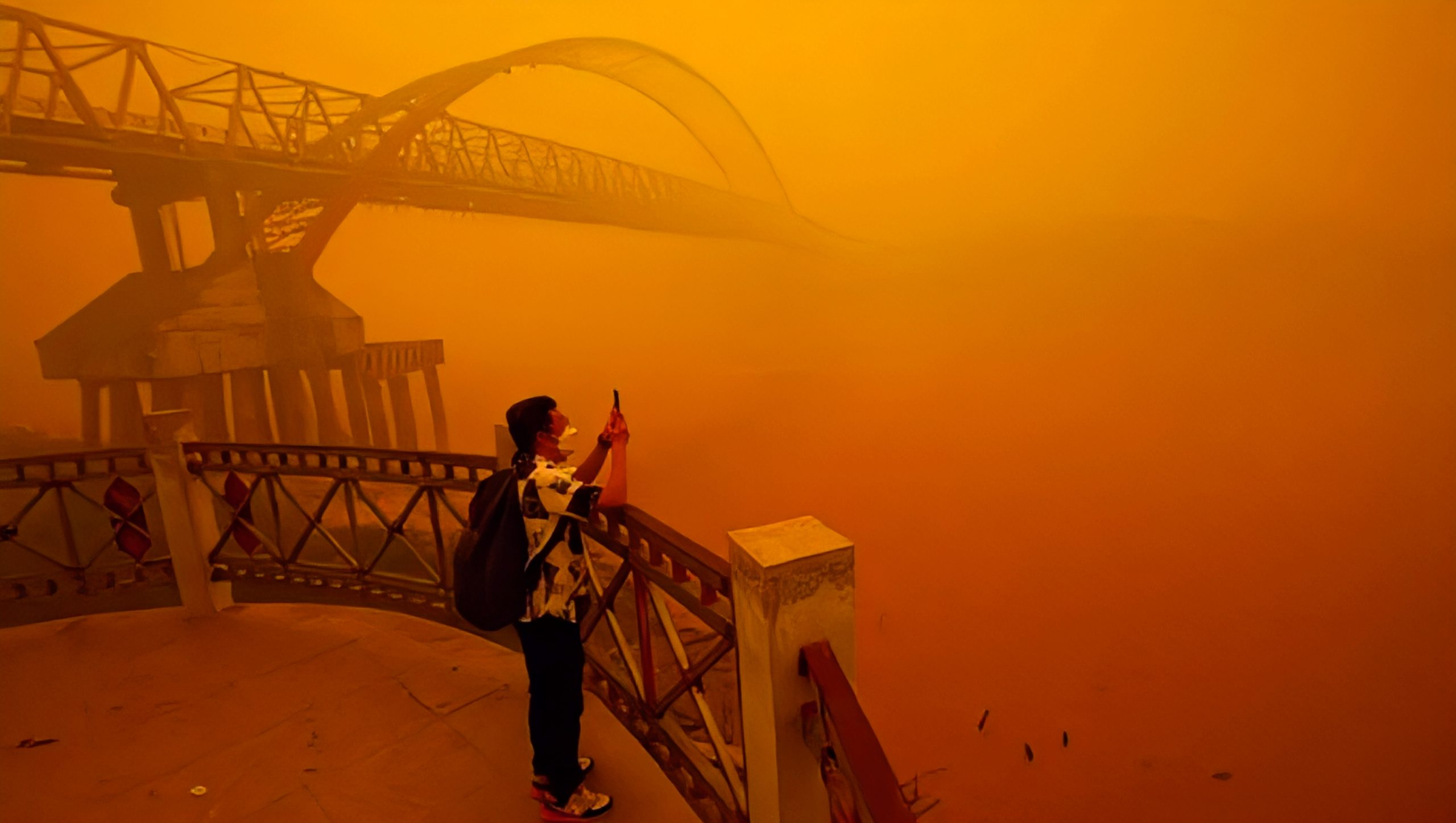
Indonesians frustrated by the government’s response to devastating wildfires are urging Singapore and Malaysia to take legal action against Jakarta as toxic haze spreads across Southeast Asia, worsening air quality and disrupting daily life in neighbouring countries.


Singapore’s air quality deteriorated to “very unhealthy” levels for the first time this year on Wednesday, while several Malaysian states were forced to close schools because of the haze.


For 31-year-old software engineer Kristaian Albert, who lives in Indonesia’s Central Kalimantan province, the crisis has become a daily struggle. He keeps about a dozen cans of oxygen near the entrance of his home and reaches for one whenever he returns.


“The moment I step outside, I can clearly feel that it is difficult to breathe. It becomes hard to concentrate, which significantly affects my work. Living in this haze is terrible,” Albert told This Week in Asia.


He expressed anger over what he described as the government’s slow response to the wildfires.


“Honestly, we are furious,” he said.


Albert is among Indonesians using social media to call for international pressure on their government. They are asking neighbouring countries affected by the haze to hold Jakarta accountable for its handling of the fires.


“Please forgive us. You can help by taking legal action to hold our government accountable, and we will support you,” Albert said.


Another social media user urged foreign governments and international environmental organisations to use legal means to demand accountability from Jakarta, adding that people in Kalimantan needed international support.


Haze Spreads Across Southeast Asia


Wildfires across Indonesia, particularly in Sumatra and Kalimantan, have intensified this year amid dry weather. Fires burning through forests and peatlands have generated toxic smoke that has spread to Singapore, Malaysia, the Philippines, Brunei, Thailand and even Vietnam.


Millions of people across Southeast Asia are grappling with one of the region’s most severe haze episodes in more than a decade, raising concerns about the health consequences of prolonged exposure to polluted air.


In Singapore, elderly residents were seen wearing protective masks on Thursday as the haze worsened. In Malaysia, the pollution forced school closures in several states.


Risayogi Wiksana, who lives in South Sumatra, told This Week in Asia that the numerous fire hotspots in his province left him feeling responsible and guilty towards people in neighbouring countries.


He recalled that prominent figures had spoken out about the crisis during recent Formula One races in Malaysia and Singapore, expressing hope that the issue would receive greater international attention.


Maxwell Lane, a visiting senior fellow with the Indonesia Studies Programme at the ISEAS–Yusof Ishak Institute, said the online anger reflected growing frustration over what many Indonesians viewed as an inadequate government response to recent disasters.


“Many in civil society believe the government is indifferent to these disasters,” Lane said.


He noted that the government had not declared several recent natural disasters national emergencies, including last year’s floods in Sumatra, which killed more than 1,000 people, and an earthquake in the Flores region in August that displaced thousands.


Government Promises Action, but Rejects National Disaster Status


Indonesia’s Environment Ministry said on Tuesday that it expected the forest fires to be extinguished within a month.


The government’s communications agency said on Monday that President Prabowo Subianto had instructed officials to take all possible measures to accelerate firefighting efforts.


The wildfire situation has been aggravated by El Niño-related conditions, with rising temperatures and dry weather potentially increasing the spread of fires. Some observers have described the scale of the crisis as “Godzilla-level”.


Coordinating Security Minister Dudung Abdurachman said a trial operation involving the dispersal of dry ice over South Sumatra was scheduled for Thursday as part of efforts to tackle the haze.


However, the minister had previously ruled out declaring the persistent forest fires a national disaster. Following a Cabinet meeting on Monday, he reportedly said the government had sufficient capacity to manage the situation without such a declaration.


Indonesia has received offers of assistance from Singapore and Malaysia, but reports indicate that Jakarta has yet to accept them.


Malaysian Deputy Prime Minister Ahmad Zahid Hamidi said on Sunday that his country had offered to send an aircraft, three helicopters and personnel to help extinguish the fires. Malaysia was still waiting for a response from Indonesia, according to reports.


Abby Victor, a 27-year-old Indonesian, said he was disappointed that his country had not accepted the assistance.


“As ordinary citizens, we have very little we can do, and that makes me deeply sad,” he said.


Official’s Remark Sparks Backlash


An Indonesian official has also faced widespread online criticism after suggesting that Singapore and Malaysia receive oxygen from Indonesia.


According to local media outlet Kompas, Siagian Nanggolan, the newly appointed head of the government’s communications agency, said on Saturday: “We do not only send haze; when there is no haze, we also send oxygen. Singapore and Malaysia get their oxygen from our forests.”


The remark prompted ridicule and renewed criticism of the government’s handling of forest and peatland fires.


Last month, a coalition of Indonesian civil society organisations filed a lawsuit against President Prabowo and his officials over the government’s response to the wildfires. The groups also called for punitive measures against those responsible for environmental offences.


However, similar legal initiatives taken by others in the past have achieved limited success.


Singapore Keeps Legal Options Open


Singapore’s Minister for Sustainability and the Environment, Grace Fu, said on Wednesday that her country would keep “all options open” regarding legal action against companies responsible for the fires.


Under Singapore’s Transboundary Haze Pollution Act 2014, companies found guilty of causing or allowing fires can face fines of up to S$100,000 (about US$77,951) per day, subject to a maximum total penalty of S$2 million.


Asked whether an investigation was under way, Singapore’s National Environment Agency said it was closely monitoring the situation and collecting information about fire hotspots.


Following the severe haze episode in 2015, Singapore launched investigations into six Indonesian companies under the law. The agency said proceedings in two cases were discontinued based on the information gathered, while investigations into the remaining four companies were ongoing at the time.


Singapore’s earlier move to issue summonses against several Indonesian companies over the 2015 haze crisis drew criticism from Indonesia’s government at the time.


Wiksana remains sceptical about his government’s ability to tackle the current fires. He has taken to social media to express his frustration and has called on other countries to impose economic sanctions on Jakarta.


“The world needs to know what is happening here,” he said.


“Everyone should do whatever is necessary to force the government to take the strongest possible action against the fires,” he added.
Tag :

Please Share This Post in Your Social Media

Indonesia’s Wildfire Crisis Sparks Public Fury as Citizens Urge Singapore, Malaysia to Sue Jakarta

Update Time : 01:05:37 pm, Friday, 16 October 2026

Indonesians frustrated by the government’s response to devastating wildfires are urging Singapore and Malaysia to take legal action against Jakarta as toxic haze spreads across Southeast Asia, worsening air quality and disrupting daily life in neighbouring countries.


Singapore’s air quality deteriorated to “very unhealthy” levels for the first time this year on Wednesday, while several Malaysian states were forced to close schools because of the haze.


For 31-year-old software engineer Kristaian Albert, who lives in Indonesia’s Central Kalimantan province, the crisis has become a daily struggle. He keeps about a dozen cans of oxygen near the entrance of his home and reaches for one whenever he returns.


“The moment I step outside, I can clearly feel that it is difficult to breathe. It becomes hard to concentrate, which significantly affects my work. Living in this haze is terrible,” Albert told This Week in Asia.


He expressed anger over what he described as the government’s slow response to the wildfires.


“Honestly, we are furious,” he said.


Albert is among Indonesians using social media to call for international pressure on their government. They are asking neighbouring countries affected by the haze to hold Jakarta accountable for its handling of the fires.


“Please forgive us. You can help by taking legal action to hold our government accountable, and we will support you,” Albert said.


Another social media user urged foreign governments and international environmental organisations to use legal means to demand accountability from Jakarta, adding that people in Kalimantan needed international support.


Haze Spreads Across Southeast Asia


Wildfires across Indonesia, particularly in Sumatra and Kalimantan, have intensified this year amid dry weather. Fires burning through forests and peatlands have generated toxic smoke that has spread to Singapore, Malaysia, the Philippines, Brunei, Thailand and even Vietnam.


Millions of people across Southeast Asia are grappling with one of the region’s most severe haze episodes in more than a decade, raising concerns about the health consequences of prolonged exposure to polluted air.


In Singapore, elderly residents were seen wearing protective masks on Thursday as the haze worsened. In Malaysia, the pollution forced school closures in several states.


Risayogi Wiksana, who lives in South Sumatra, told This Week in Asia that the numerous fire hotspots in his province left him feeling responsible and guilty towards people in neighbouring countries.


He recalled that prominent figures had spoken out about the crisis during recent Formula One races in Malaysia and Singapore, expressing hope that the issue would receive greater international attention.


Maxwell Lane, a visiting senior fellow with the Indonesia Studies Programme at the ISEAS–Yusof Ishak Institute, said the online anger reflected growing frustration over what many Indonesians viewed as an inadequate government response to recent disasters.


“Many in civil society believe the government is indifferent to these disasters,” Lane said.


He noted that the government had not declared several recent natural disasters national emergencies, including last year’s floods in Sumatra, which killed more than 1,000 people, and an earthquake in the Flores region in August that displaced thousands.


Government Promises Action, but Rejects National Disaster Status


Indonesia’s Environment Ministry said on Tuesday that it expected the forest fires to be extinguished within a month.


The government’s communications agency said on Monday that President Prabowo Subianto had instructed officials to take all possible measures to accelerate firefighting efforts.


The wildfire situation has been aggravated by El Niño-related conditions, with rising temperatures and dry weather potentially increasing the spread of fires. Some observers have described the scale of the crisis as “Godzilla-level”.


Coordinating Security Minister Dudung Abdurachman said a trial operation involving the dispersal of dry ice over South Sumatra was scheduled for Thursday as part of efforts to tackle the haze.


However, the minister had previously ruled out declaring the persistent forest fires a national disaster. Following a Cabinet meeting on Monday, he reportedly said the government had sufficient capacity to manage the situation without such a declaration.


Indonesia has received offers of assistance from Singapore and Malaysia, but reports indicate that Jakarta has yet to accept them.


Malaysian Deputy Prime Minister Ahmad Zahid Hamidi said on Sunday that his country had offered to send an aircraft, three helicopters and personnel to help extinguish the fires. Malaysia was still waiting for a response from Indonesia, according to reports.


Abby Victor, a 27-year-old Indonesian, said he was disappointed that his country had not accepted the assistance.


“As ordinary citizens, we have very little we can do, and that makes me deeply sad,” he said.


Official’s Remark Sparks Backlash


An Indonesian official has also faced widespread online criticism after suggesting that Singapore and Malaysia receive oxygen from Indonesia.


According to local media outlet Kompas, Siagian Nanggolan, the newly appointed head of the government’s communications agency, said on Saturday: “We do not only send haze; when there is no haze, we also send oxygen. Singapore and Malaysia get their oxygen from our forests.”


The remark prompted ridicule and renewed criticism of the government’s handling of forest and peatland fires.


Last month, a coalition of Indonesian civil society organisations filed a lawsuit against President Prabowo and his officials over the government’s response to the wildfires. The groups also called for punitive measures against those responsible for environmental offences.


However, similar legal initiatives taken by others in the past have achieved limited success.


Singapore Keeps Legal Options Open


Singapore’s Minister for Sustainability and the Environment, Grace Fu, said on Wednesday that her country would keep “all options open” regarding legal action against companies responsible for the fires.


Under Singapore’s Transboundary Haze Pollution Act 2014, companies found guilty of causing or allowing fires can face fines of up to S$100,000 (about US$77,951) per day, subject to a maximum total penalty of S$2 million.


Asked whether an investigation was under way, Singapore’s National Environment Agency said it was closely monitoring the situation and collecting information about fire hotspots.


Following the severe haze episode in 2015, Singapore launched investigations into six Indonesian companies under the law. The agency said proceedings in two cases were discontinued based on the information gathered, while investigations into the remaining four companies were ongoing at the time.


Singapore’s earlier move to issue summonses against several Indonesian companies over the 2015 haze crisis drew criticism from Indonesia’s government at the time.


Wiksana remains sceptical about his government’s ability to tackle the current fires. He has taken to social media to express his frustration and has called on other countries to impose economic sanctions on Jakarta.


“The world needs to know what is happening here,” he said.


“Everyone should do whatever is necessary to force the government to take the strongest possible action against the fires,” he added.