Dhaka 4:33 pm, Wednesday, 21 October 2026

Bangladesh’s Dengue Cases Hit Second-Highest Level in 26 Years

Reporter Name
  • Update Time : 06:56:05 am, Wednesday, 21 October 2026
  • / 17 Time View

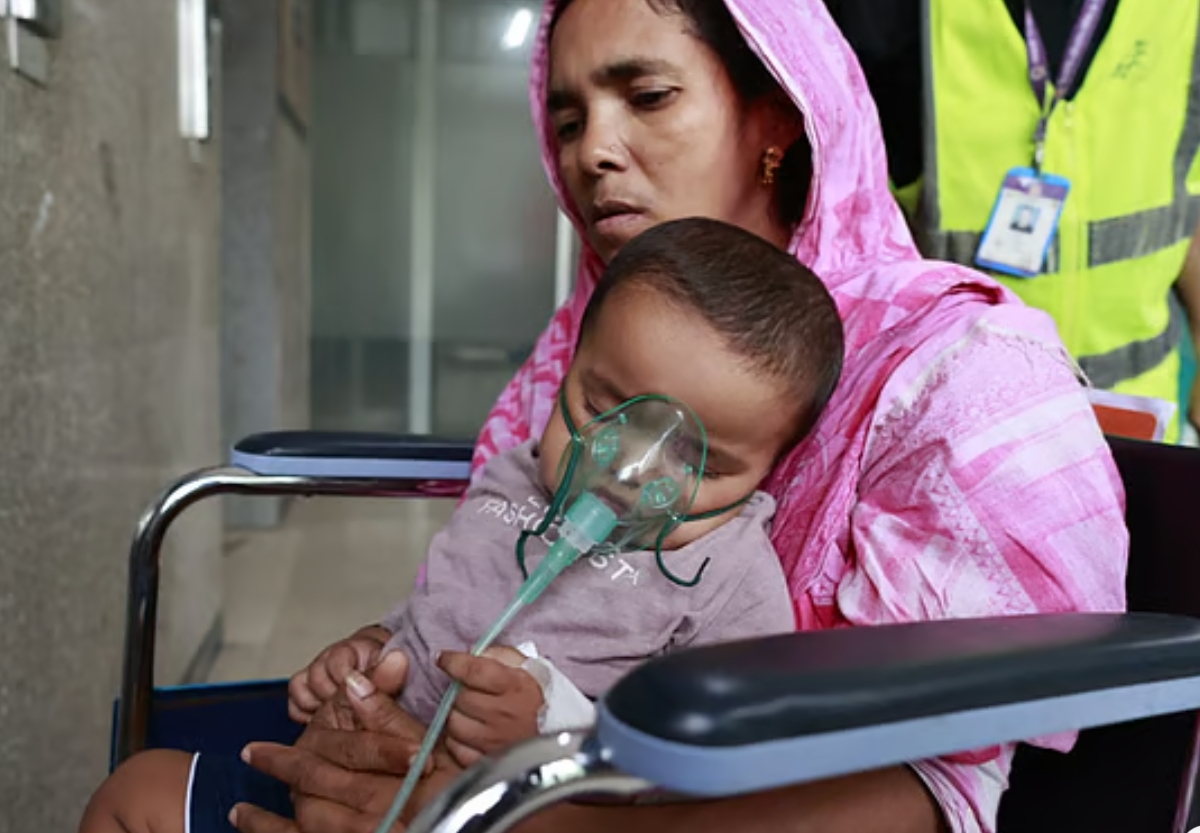
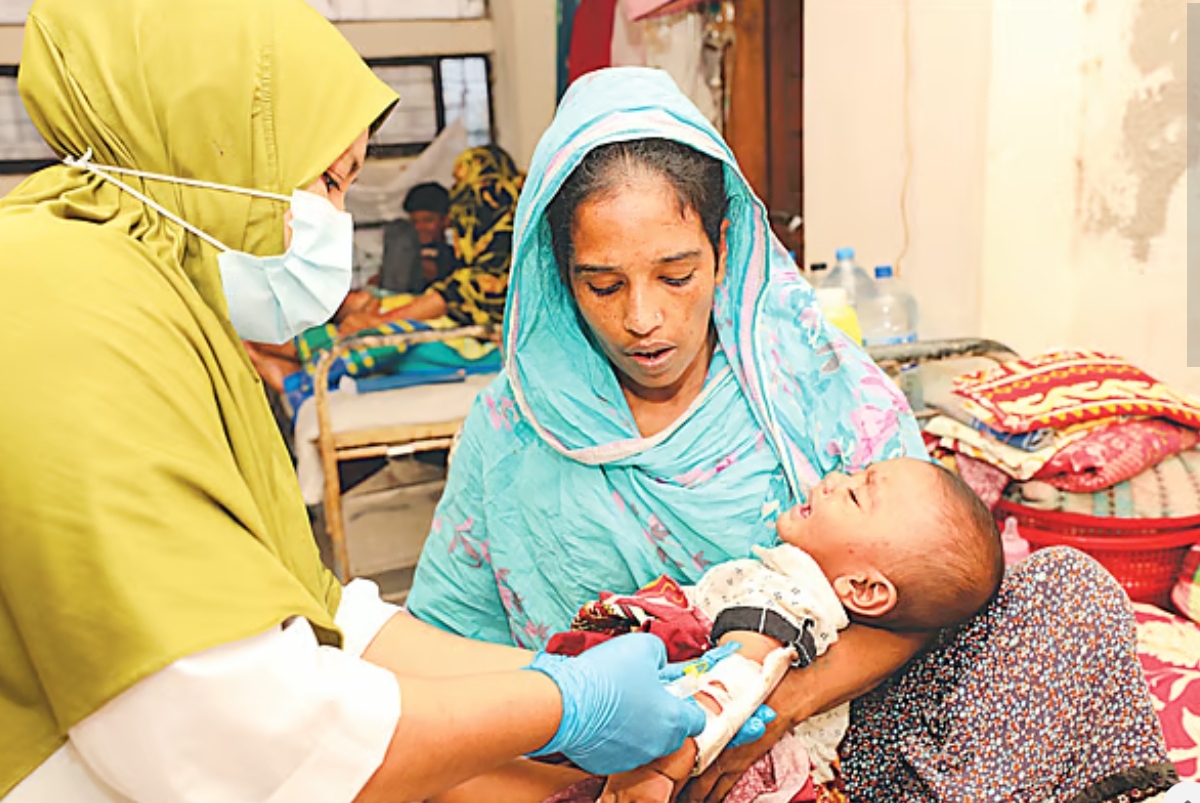
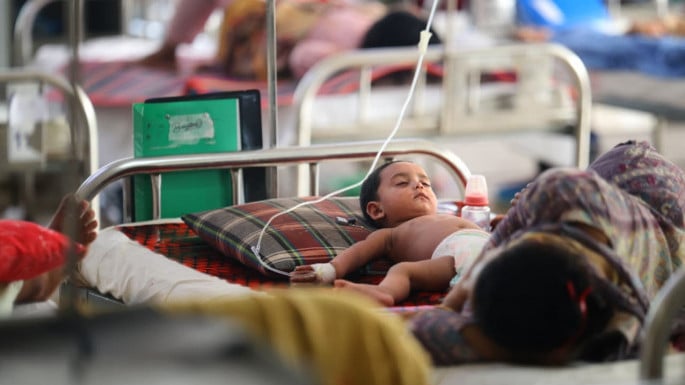
Bangladesh has recorded more than 115,000 hospitalised dengue cases in the first nine and a half months of 2026, marking the second-highest infection tally since official records began in 2000. The mosquito-borne disease has claimed 357 lives so far this year, making it the country’s third-deadliest dengue year in the past 26 years.


The figures cover only patients admitted to hospitals. Experts warn that the actual number of infections could be considerably higher because many people receive treatment at home, do not undergo testing or seek medical care outside hospitals.


The country’s worst dengue outbreak occurred in 2023, when 321,179 patients were hospitalised and 1,705 people died. The second-highest annual death toll was recorded in 2024, when 575 people lost their lives.


Despite the rising number of infections and deaths, the government maintains that it is making every effort to control the outbreak.


Experts, however, point to climate change, unplanned urbanisation, inadequate destruction of mosquito breeding sites and weaknesses in mosquito-control programmes as factors contributing to the worsening situation.


Dengue Cases Surge Despite Control Measures


According to the Directorate General of Health Services (DGHS), Bangladesh recorded 5,551 dengue cases and 93 deaths in 2000, when official disease surveillance records began.


The outbreak intensified significantly in recent years, with high infection rates continuing beyond the traditional dengue season.


In 2024, a total of 101,214 patients were hospitalised and 575 died. In 2025, hospital admissions rose to 102,861, while the death toll reached 413.


The latest DGHS figures show that five more people died of dengue in the 24 hours leading up to 8am on Tuesday, while 1,366 patients were admitted to hospitals during the same period.


The sustained spread of the disease has raised questions about the effectiveness of conventional mosquito-control campaigns, which have relied heavily on spraying insecticides and public-awareness initiatives.


Experts Question Effectiveness of Mosquito-Control Campaigns


Dr Abdullah Al Masud Khan, general secretary of the Dengue Prevention Foundation Bangladesh (DPFB) and a researcher at the Institute of Science Tokyo in Japan, told Samakal that mosquito-control activities had, in many cases, become largely symbolic.


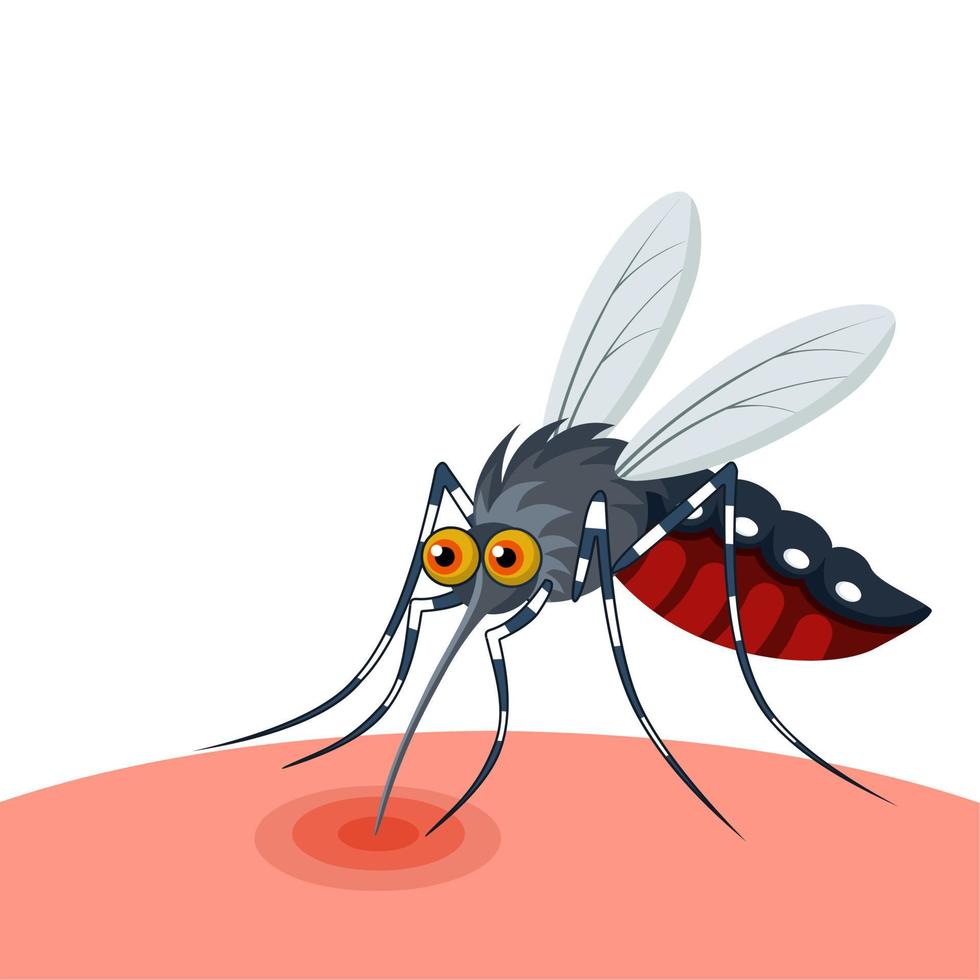
He said spraying insecticides alone could not effectively control Aedes mosquitoes, which transmit dengue.


Instead, authorities need to identify breeding sites and destroy mosquito larvae before they develop into adult mosquitoes.


Khan stressed that government action alone would not be sufficient without the active participation of the public.


Although authorities were making efforts to tackle the outbreak, he said, more needed to be done to raise awareness and involve communities in preventive measures.


He also called for dengue-awareness programmes in educational institutions and the introduction of a “school ambassador” initiative. Such programmes could educate students and help spread prevention messages among their families and wider communities.


According to Khan, mosquito elimination and Aedes mosquito control are not the same thing. He argued that existing programmes should be redesigned to prioritise breeding-site identification, larval destruction and regular monitoring rather than focusing primarily on killing adult mosquitoes.


Experts say dengue can be difficult to eliminate completely once it becomes established in an area. However, coordinated mosquito control, regular cleaning, the removal of breeding sites and effective public-health measures can help keep infections under control.


Climate Change Is Altering Dengue Transmission Patterns


Dengue was traditionally considered a seasonal disease in Bangladesh, with infections typically peaking between June and October during the monsoon.


In recent years, however, outbreaks have increasingly occurred outside the conventional rainy season, making seasonal mosquito-control campaigns less effective.


Professor Kabirul Bashar, an entomologist, said climate change was altering temperature, rainfall and humidity patterns in Bangladesh, affecting the distribution and behaviour of Aedes mosquitoes.


He said mosquito-control strategies needed to be redesigned to account for these environmental changes.


Bashar identified two broad approaches to climate change: mitigation, which seeks to limit its causes or effects, and adaptation, which involves adjusting to changing conditions.


While large-scale mitigation efforts may be difficult for agencies responsible for mosquito control, he said, adaptation could help authorities respond more effectively to changing mosquito behaviour.


This would require identifying how Aedes mosquitoes respond to shifts in weather and environmental conditions and adjusting control measures accordingly.


Dengue Cases Spread Beyond Dhaka


The latest figures also highlight the growing geographical spread of dengue infections beyond the capital.


Of the five people who died in the 24 hours leading up to Tuesday morning, two were patients at hospitals serving areas under Dhaka North City Corporation. Two deaths occurred outside Barishal City Corporation, while another was reported outside Rangpur City Corporation.


Among the newly hospitalised patients, 110 were admitted to hospitals in areas under Dhaka North City Corporation and 113 in areas under Dhaka South City Corporation.


Outside the two Dhaka city corporations, hospitals elsewhere in Dhaka Division admitted 415 patients.


Other reported admissions included 191 in Barishal, 105 in Chattogram, 141 in Khulna, 80 in Mymensingh, 128 in Rajshahi, 72 in Rangpur and 11 in Sylhet.


The distribution indicates that dengue is not simply a capital-centred public-health problem. Experts say stronger surveillance, breeding-site removal and hospital preparedness are needed at divisional and district levels across the country.


Government Says Measures Are Underway


State Minister for Health Dr MA Muhit told Samakal that authorities had reviewed the circumstances surrounding dengue-related deaths.


Preliminary findings suggested that most of those who died had reached hospitals three or more days after becoming ill, he said.


The government has also been identifying dengue hotspots and conducting cleaning operations and mosquito-larvae destruction campaigns, with city corporations involved in the efforts.


According to the state minister, hospital patients’ addresses are being checked to identify areas producing higher numbers of cases. Authorities then initiate targeted cleaning operations and apply larvicides in those locations.


Muhit maintained that the government was making every effort to control dengue. He said the prime minister, ministers, state ministers and officials from the health and local government ministries were holding weekly meetings with mayors and administrators to coordinate the response.


A Growing Public-Health Challenge


With infections remaining high and deaths continuing, experts say Bangladesh needs a more comprehensive, year-round dengue-control strategy.


Such an approach would combine climate-sensitive mosquito surveillance, systematic destruction of breeding sites, community participation, public education and stronger healthcare capacity outside major cities.


The latest figures suggest that continuing conventional mosquito-control campaigns without substantial changes may not be enough to reverse the outbreak.


As dengue spreads beyond its traditional seasonal and geographical patterns, the challenge for Bangladesh is to move from reactive spraying campaigns towards sustained prevention and evidence-based mosquito control.

Tag :

Please Share This Post in Your Social Media

Bangladesh’s Dengue Cases Hit Second-Highest Level in 26 Years

Update Time : 06:56:05 am, Wednesday, 21 October 2026

Bangladesh has recorded more than 115,000 hospitalised dengue cases in the first nine and a half months of 2026, marking the second-highest infection tally since official records began in 2000. The mosquito-borne disease has claimed 357 lives so far this year, making it the country’s third-deadliest dengue year in the past 26 years.


The figures cover only patients admitted to hospitals. Experts warn that the actual number of infections could be considerably higher because many people receive treatment at home, do not undergo testing or seek medical care outside hospitals.


The country’s worst dengue outbreak occurred in 2023, when 321,179 patients were hospitalised and 1,705 people died. The second-highest annual death toll was recorded in 2024, when 575 people lost their lives.


Despite the rising number of infections and deaths, the government maintains that it is making every effort to control the outbreak.


Experts, however, point to climate change, unplanned urbanisation, inadequate destruction of mosquito breeding sites and weaknesses in mosquito-control programmes as factors contributing to the worsening situation.


Dengue Cases Surge Despite Control Measures


According to the Directorate General of Health Services (DGHS), Bangladesh recorded 5,551 dengue cases and 93 deaths in 2000, when official disease surveillance records began.


The outbreak intensified significantly in recent years, with high infection rates continuing beyond the traditional dengue season.


In 2024, a total of 101,214 patients were hospitalised and 575 died. In 2025, hospital admissions rose to 102,861, while the death toll reached 413.


The latest DGHS figures show that five more people died of dengue in the 24 hours leading up to 8am on Tuesday, while 1,366 patients were admitted to hospitals during the same period.


The sustained spread of the disease has raised questions about the effectiveness of conventional mosquito-control campaigns, which have relied heavily on spraying insecticides and public-awareness initiatives.


Experts Question Effectiveness of Mosquito-Control Campaigns


Dr Abdullah Al Masud Khan, general secretary of the Dengue Prevention Foundation Bangladesh (DPFB) and a researcher at the Institute of Science Tokyo in Japan, told Samakal that mosquito-control activities had, in many cases, become largely symbolic.


He said spraying insecticides alone could not effectively control Aedes mosquitoes, which transmit dengue.


Instead, authorities need to identify breeding sites and destroy mosquito larvae before they develop into adult mosquitoes.


Khan stressed that government action alone would not be sufficient without the active participation of the public.


Although authorities were making efforts to tackle the outbreak, he said, more needed to be done to raise awareness and involve communities in preventive measures.


He also called for dengue-awareness programmes in educational institutions and the introduction of a “school ambassador” initiative. Such programmes could educate students and help spread prevention messages among their families and wider communities.


According to Khan, mosquito elimination and Aedes mosquito control are not the same thing. He argued that existing programmes should be redesigned to prioritise breeding-site identification, larval destruction and regular monitoring rather than focusing primarily on killing adult mosquitoes.


Experts say dengue can be difficult to eliminate completely once it becomes established in an area. However, coordinated mosquito control, regular cleaning, the removal of breeding sites and effective public-health measures can help keep infections under control.


Climate Change Is Altering Dengue Transmission Patterns


Dengue was traditionally considered a seasonal disease in Bangladesh, with infections typically peaking between June and October during the monsoon.


In recent years, however, outbreaks have increasingly occurred outside the conventional rainy season, making seasonal mosquito-control campaigns less effective.


Professor Kabirul Bashar, an entomologist, said climate change was altering temperature, rainfall and humidity patterns in Bangladesh, affecting the distribution and behaviour of Aedes mosquitoes.


He said mosquito-control strategies needed to be redesigned to account for these environmental changes.


Bashar identified two broad approaches to climate change: mitigation, which seeks to limit its causes or effects, and adaptation, which involves adjusting to changing conditions.


While large-scale mitigation efforts may be difficult for agencies responsible for mosquito control, he said, adaptation could help authorities respond more effectively to changing mosquito behaviour.


This would require identifying how Aedes mosquitoes respond to shifts in weather and environmental conditions and adjusting control measures accordingly.


Dengue Cases Spread Beyond Dhaka


The latest figures also highlight the growing geographical spread of dengue infections beyond the capital.


Of the five people who died in the 24 hours leading up to Tuesday morning, two were patients at hospitals serving areas under Dhaka North City Corporation. Two deaths occurred outside Barishal City Corporation, while another was reported outside Rangpur City Corporation.


Among the newly hospitalised patients, 110 were admitted to hospitals in areas under Dhaka North City Corporation and 113 in areas under Dhaka South City Corporation.


Outside the two Dhaka city corporations, hospitals elsewhere in Dhaka Division admitted 415 patients.


Other reported admissions included 191 in Barishal, 105 in Chattogram, 141 in Khulna, 80 in Mymensingh, 128 in Rajshahi, 72 in Rangpur and 11 in Sylhet.


The distribution indicates that dengue is not simply a capital-centred public-health problem. Experts say stronger surveillance, breeding-site removal and hospital preparedness are needed at divisional and district levels across the country.


Government Says Measures Are Underway


State Minister for Health Dr MA Muhit told Samakal that authorities had reviewed the circumstances surrounding dengue-related deaths.


Preliminary findings suggested that most of those who died had reached hospitals three or more days after becoming ill, he said.


The government has also been identifying dengue hotspots and conducting cleaning operations and mosquito-larvae destruction campaigns, with city corporations involved in the efforts.


According to the state minister, hospital patients’ addresses are being checked to identify areas producing higher numbers of cases. Authorities then initiate targeted cleaning operations and apply larvicides in those locations.


Muhit maintained that the government was making every effort to control dengue. He said the prime minister, ministers, state ministers and officials from the health and local government ministries were holding weekly meetings with mayors and administrators to coordinate the response.


A Growing Public-Health Challenge


With infections remaining high and deaths continuing, experts say Bangladesh needs a more comprehensive, year-round dengue-control strategy.


Such an approach would combine climate-sensitive mosquito surveillance, systematic destruction of breeding sites, community participation, public education and stronger healthcare capacity outside major cities.


The latest figures suggest that continuing conventional mosquito-control campaigns without substantial changes may not be enough to reverse the outbreak.


As dengue spreads beyond its traditional seasonal and geographical patterns, the challenge for Bangladesh is to move from reactive spraying campaigns towards sustained prevention and evidence-based mosquito control.