Dhaka 3:47 am, Wednesday, 13 May 2026

Why Are So Many Children Dying from Measles?

Staff Correspondent:
  • Update Time : 04:31:09 am, Tuesday, 5 May 2026
  • / 64 Time View

Why Are So Many Children Dying from Measles in Bangladesh?

A worrying rise in child deaths linked to measles has raised serious concerns among health experts in Bangladesh. According to official reports, the country recently recorded its highest single-day toll, with 17 deaths associated with measles or its symptoms. So far this year, total deaths have surpassed 300.

Health authorities state that 52 of these deaths were laboratory-confirmed measles cases, while 259 others showed strong symptoms consistent with the disease. Experts now consider all such deaths as measles-related during outbreaks.

Rapid Spread Across the Country

The outbreak was first detected earlier this year in Rohingya refugee camps in Cox’s Bazar. Initially unnoticed, the disease gradually spread to multiple regions. By April, measles cases had been reported in most districts, affecting around 91% of the country. A large majority of those infected—nearly 80%—are children under five.

Vaccination Efforts Underway

The government launched targeted vaccination campaigns in early April, later expanding nationwide. Children aged 6 months to 5 years are being vaccinated, with the campaign scheduled to continue through May.

Why Are Children Still Dying?

Health professionals point to several critical factors:

Late hospital admission: Many children are brought in only after severe complications develop.

No specific antiviral treatment: Measles itself has no direct cure, and complications like pneumonia can become life-threatening.

Severe complications: Lung damage from measles-related pneumonia is a major cause of death.

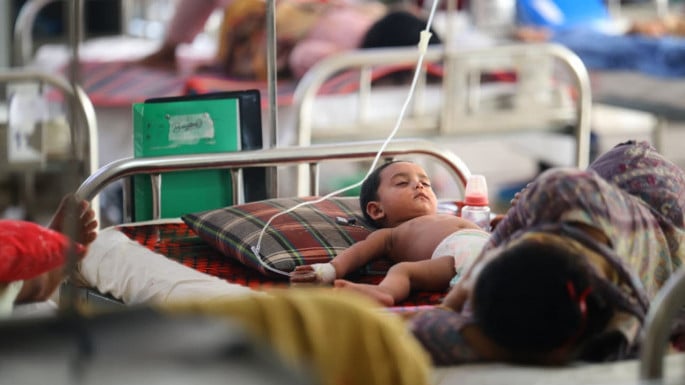
Limited critical care capacity: ICU beds and ventilators are not sufficient or always suitable for children.

Doctors say that even with life support, some critically ill children cannot be saved due to the advanced stage of illness upon arrival.

Gaps in Data and Response

Public health experts have also raised concerns about limited transparency. Detailed data—such as age distribution, treatment timelines, and underlying conditions—has not been fully disclosed. Such information could help improve response strategies and reduce mortality.

Additionally, not all suspected cases are being tested due to shortages in diagnostic kits, and many patients are treated privately, meaning official figures may underestimate the true scale.

Oxygen and Early Care Could Save Lives

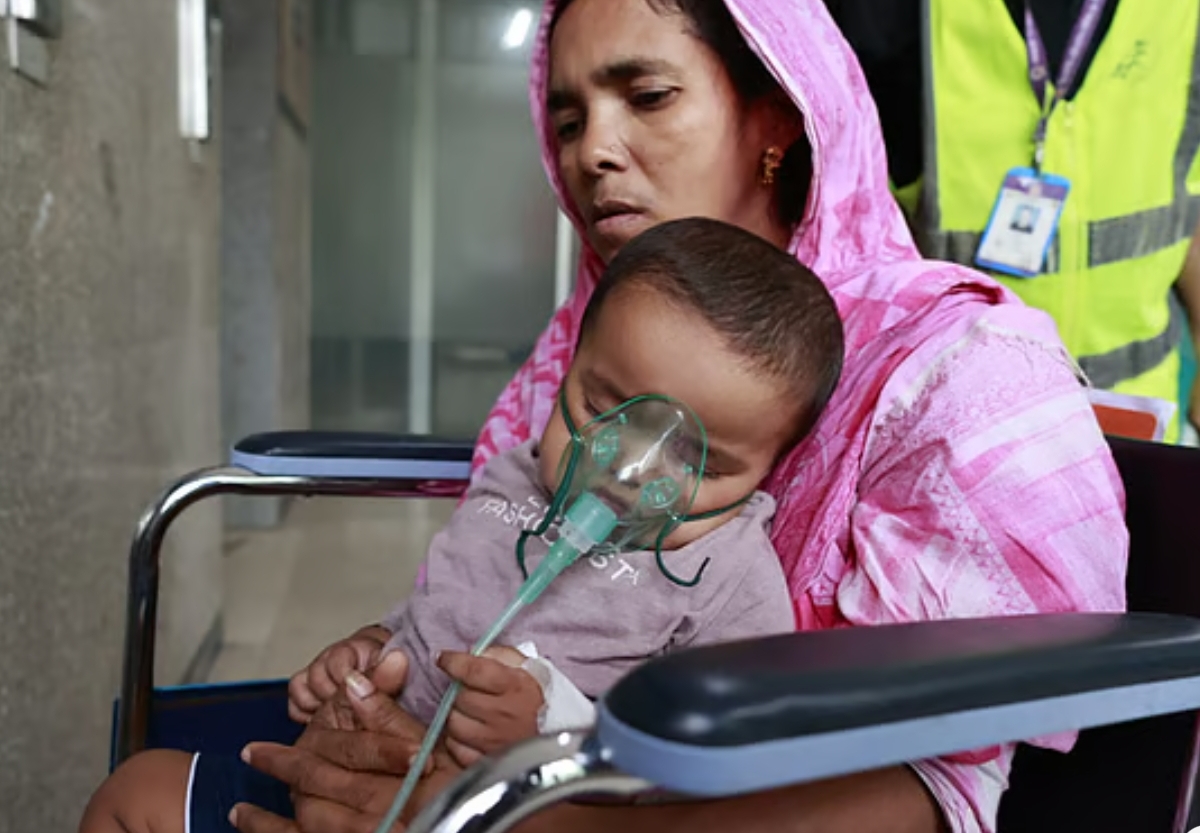
Specialists emphasize that oxygen therapy plays a crucial role in treating measles-related pneumonia. Expanding access to oxygen support could potentially save many children, even more than relying solely on ICU facilities.

When Should a Child Be Taken to the Hospital?

Experts advise immediate medical attention if a child shows:

Difficulty breathing or rapid breathing

Inability to eat or drink

Persistent vomiting

Seizures or extreme drowsiness

Eye or mouth complications

Severe dehydration or malnutrition

The Way Forward

Health experts suggest that improving early detection, strengthening patient management, and isolating cases properly could reduce hospital overload and lower death rates.

Without faster action and better coordination, the rising number of child deaths remains a serious public health concern.

Tag :

Please Share This Post in Your Social Media

Why Are So Many Children Dying from Measles?

Update Time : 04:31:09 am, Tuesday, 5 May 2026

Why Are So Many Children Dying from Measles in Bangladesh?

A worrying rise in child deaths linked to measles has raised serious concerns among health experts in Bangladesh. According to official reports, the country recently recorded its highest single-day toll, with 17 deaths associated with measles or its symptoms. So far this year, total deaths have surpassed 300.

Health authorities state that 52 of these deaths were laboratory-confirmed measles cases, while 259 others showed strong symptoms consistent with the disease. Experts now consider all such deaths as measles-related during outbreaks.

Rapid Spread Across the Country

The outbreak was first detected earlier this year in Rohingya refugee camps in Cox’s Bazar. Initially unnoticed, the disease gradually spread to multiple regions. By April, measles cases had been reported in most districts, affecting around 91% of the country. A large majority of those infected—nearly 80%—are children under five.

Vaccination Efforts Underway

The government launched targeted vaccination campaigns in early April, later expanding nationwide. Children aged 6 months to 5 years are being vaccinated, with the campaign scheduled to continue through May.

Why Are Children Still Dying?

Health professionals point to several critical factors:

Late hospital admission: Many children are brought in only after severe complications develop.

No specific antiviral treatment: Measles itself has no direct cure, and complications like pneumonia can become life-threatening.

Severe complications: Lung damage from measles-related pneumonia is a major cause of death.

Limited critical care capacity: ICU beds and ventilators are not sufficient or always suitable for children.

Doctors say that even with life support, some critically ill children cannot be saved due to the advanced stage of illness upon arrival.

Gaps in Data and Response

Public health experts have also raised concerns about limited transparency. Detailed data—such as age distribution, treatment timelines, and underlying conditions—has not been fully disclosed. Such information could help improve response strategies and reduce mortality.

Additionally, not all suspected cases are being tested due to shortages in diagnostic kits, and many patients are treated privately, meaning official figures may underestimate the true scale.

Oxygen and Early Care Could Save Lives

Specialists emphasize that oxygen therapy plays a crucial role in treating measles-related pneumonia. Expanding access to oxygen support could potentially save many children, even more than relying solely on ICU facilities.

When Should a Child Be Taken to the Hospital?

Experts advise immediate medical attention if a child shows:

Difficulty breathing or rapid breathing

Inability to eat or drink

Persistent vomiting

Seizures or extreme drowsiness

Eye or mouth complications

Severe dehydration or malnutrition

The Way Forward

Health experts suggest that improving early detection, strengthening patient management, and isolating cases properly could reduce hospital overload and lower death rates.

Without faster action and better coordination, the rising number of child deaths remains a serious public health concern.