Hasina’s regime’s “House of Mirrors” finally exposed

- Update Time : 03:46:28 am, Thursday, 13 February 2025
- / 703 Time View
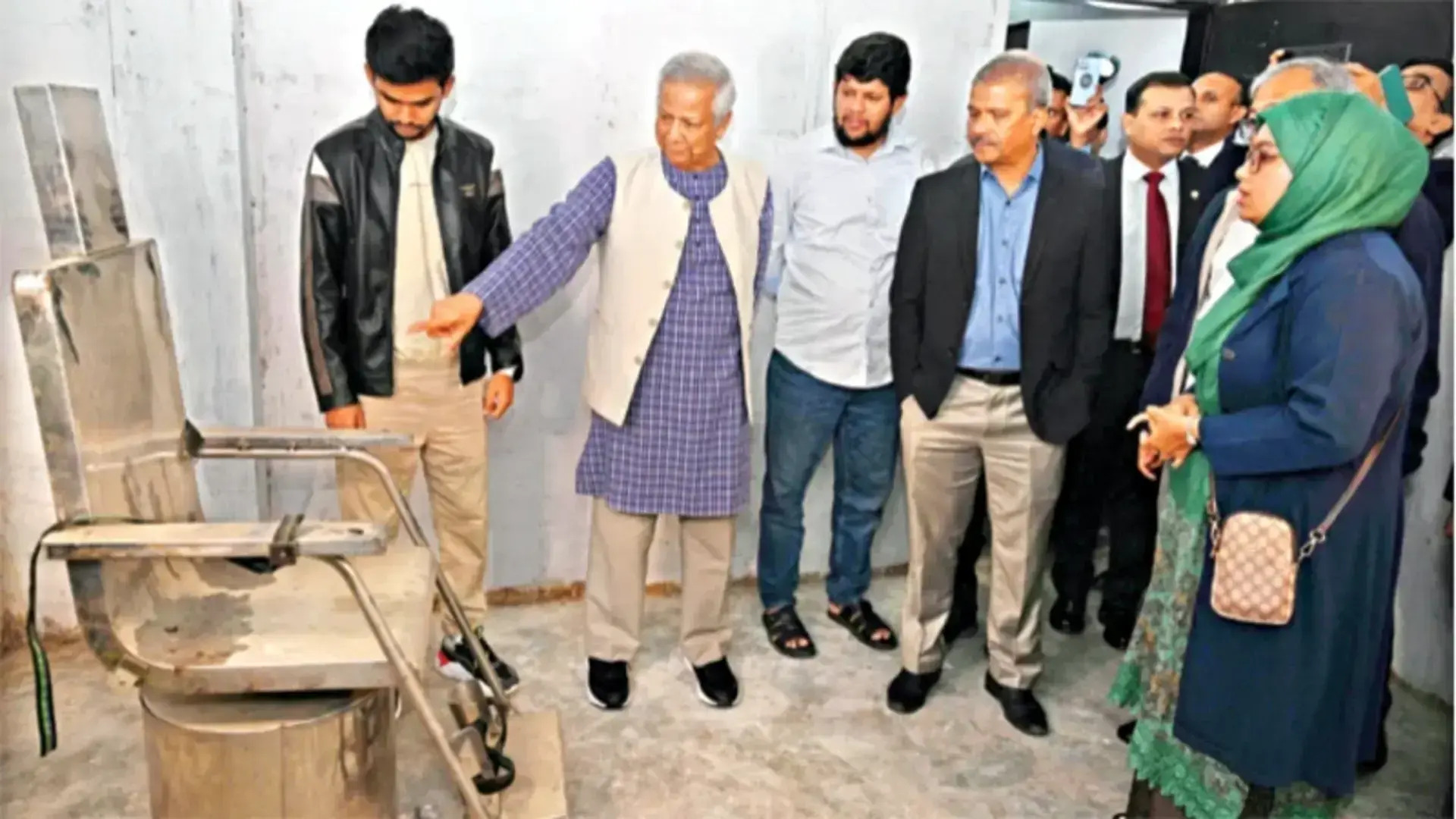

The secret detention centers of Sheikh Hasina’s regime, infamously known as “Ainaghor” (House of Mirrors), have finally come to light. Accounts from individuals who returned from enforced disappearances during the Awami League’s tenure revealed horrifying acts of brutality carried out by state forces in these illegal facilities. The existence of such centers has now been confirmed by firsthand inspections conducted by Chief Advisor Dr. Muhammad Yunus alongside survivors.
Detainees, often critics of Sheikh Hasina and the Awami League, were confined in tiny cells resembling chicken coops, some barely three feet wide and long, with only a foot of space allocated for sanitation. These cells left no room to lie down or sleep. Victims endured months of blindfolded and handcuffed isolation, subjected to extreme physical torture during interrogations. Steel chairs equipped for administering electric shocks were found in the centers. Walls bore inscriptions of despair, such as a detainee’s plea, “I love my family,” while others marked days of captivity by etching tallies.
One victim, Ibrahim, wrote on the wall, “They will always lie.” His fate remains unknown. In one harrowing case, RAB-2 abducted an expectant mother, Rezia Begum Rabi, along with her 11-year-old daughter, Nuri Ali Afsana, in September 2015 from Cox’s Bazar. Afsana was later released, but her mother remains missing. In tears, Afsana pleaded with Dr. Yunus, “I only want my mother back.”
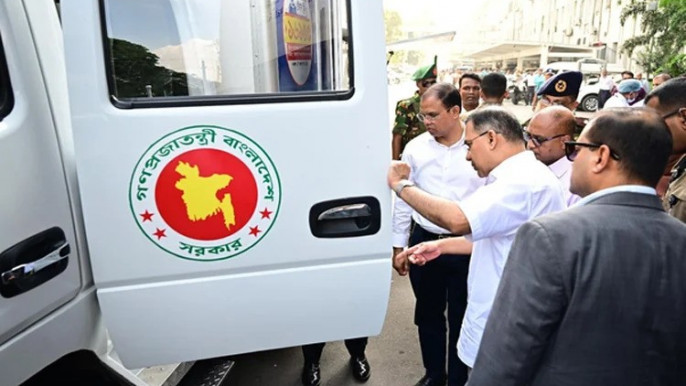
On Wednesday, Dr. Yunus, accompanied by six advisors and eight victims, visited secret detention centers operated by DGFI and RAB in Kachukhet, Uttara, and Agargaon. Former detainees, including two current advisors, Nahid Islam and Asif Mahmud Sojib Bhuiyan, identified the exact cells where they were held during their disappearance. Accounts of horrific abuse came from Brigadier (Retd.) Abdullahil Aman Azmi and Barrister Mir Ahmed Bin Kashem Arman, who were freed in August following Sheikh Hasina’s ousting. Other victims, like Hummam Quader Chowdhury and Michael Chakma, shared similar traumatic experiences of their captivity.
The advocacy group “Mayer Dak,” representing families of the disappeared, was also present during the inspections, demanding answers about the fate of their loved ones. Some family members, like Abdul Halim, the father of missing detainee Mokaddes Ali, expressed a wish to see the cells to understand what their loved ones endured.
Despite the revelations, Awami League supporters took to social media to dismiss the findings, labeling the inspections as staged drama. However, international organizations like Deutsche Welle had earlier documented evidence of these secret facilities during Sheikh Hasina’s regime. Even the United Nations reported 76 enforced disappearances under her tenure.
While some modifications to the detention centers have raised questions, Dr. Yunus ensured that these sites would remain sealed as evidence for future trials. Survivors like Hummam and Arman recounted being forced to wear handcuffs thousands of times, subjected to threats, and pressured to leave the country under the pretext of receiving “a second chance.” Their testimonies revealed the systematic nature of these abuses and the unimaginable suffering inflicted upon detainees.