Dhaka 3:01 pm, Thursday, 30 July 2026

Moving Ahead with Bold Plans to Rebuild the Nation: Chief Advisor

Reporter Name
  • Update Time : 10:31:08 am, Sunday, 6 April 2025
  • / 588 Time View

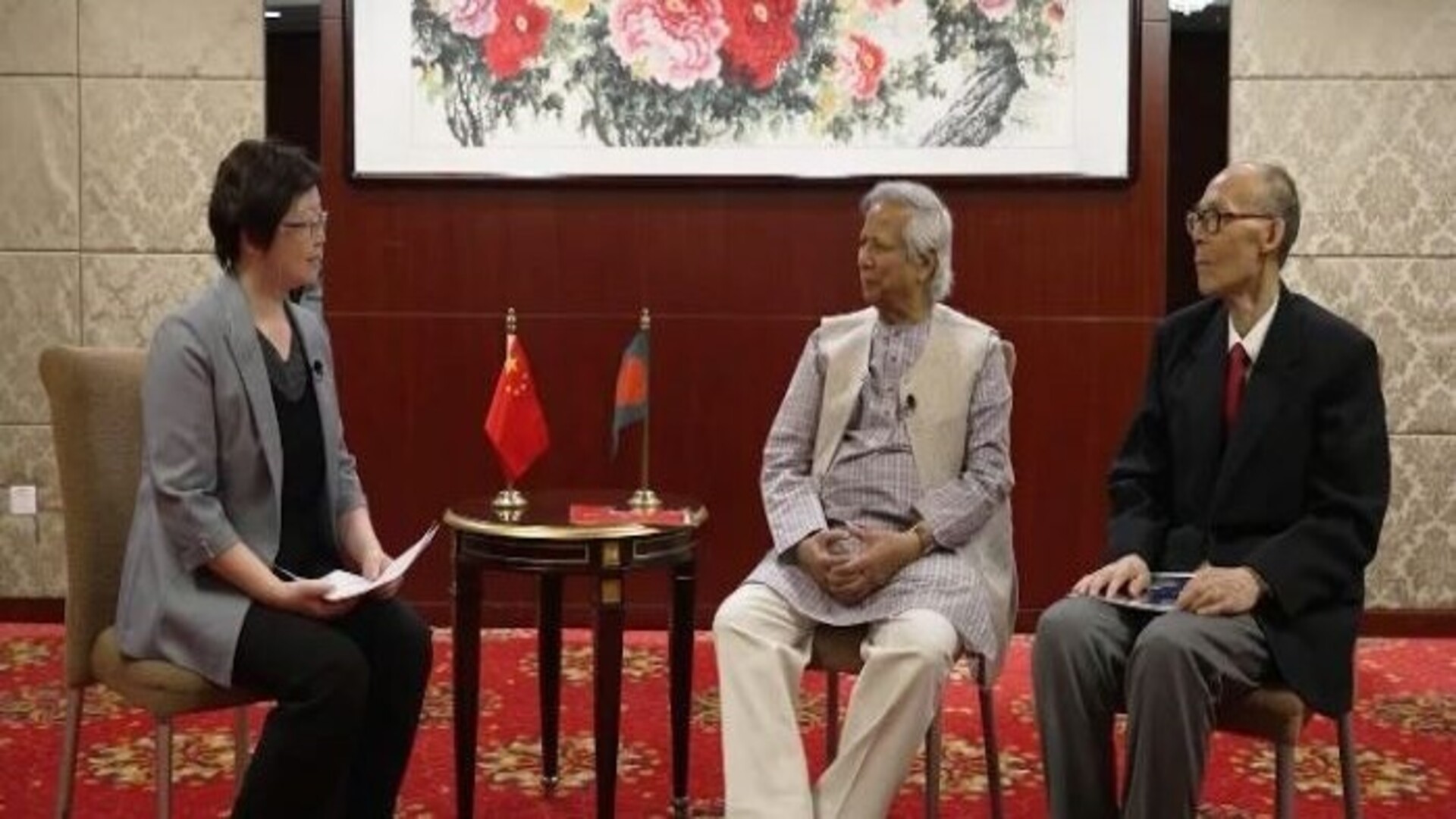
During a recent visit to China, Professor Muhammad Yunus, Chief Advisor of Bangladesh’s interim government, expressed a strong commitment to major reforms aimed at rebuilding the country with a fresh vision. In an interview with China Media Group (CMG) in Beijing, he highlighted the need for extensive support and cooperation from international partners to achieve these goals. Reflecting on his visit, he said it felt meaningful to reconnect with old friends and long-time collaborators like Professor Du, who had been inspired by the Grameen model. Through his leadership, initiatives like the Microcredit Association of China emerged, influencing many across the country and contributing to annual conferences and celebrations rooted in Yunus’ work.


Professor Yunus noted that while previously he was engaged solely in personal efforts, his current governmental role has prompted curiosity among his Chinese counterparts. Despite the shift in responsibility, he observed overwhelming support, particularly from the Chinese government, which he described as “unconditional” and timely, especially as Bangladesh embarks on significant reform efforts.


Discussing his philosophy, Yunus elaborated on his “Three Zeroes” concept—zero poverty, zero unemployment, and zero net carbon emissions—and its alignment with Chinese President Xi Jinping’s modernization theories. Though expressed differently, he argued, both visions aim to reshape the world through new structural thinking. The current global system, Yunus warned, is unsustainable and self-destructive, and only through systemic rethinking can humanity avoid collapse and move toward a livable future.


He shared that his recent speeches in China resonated deeply, earning praise from high-ranking officials including a vice premier, who found his ideas—especially their appeal to youth—both relevant and inspiring. Professor Yunus was also warmly received by President Xi Jinping, who recalled their meeting in 2009 when he was vice president. Xi reportedly remembered their earlier conversation about microcredit and reiterated his support for its role in poverty alleviation based on his own experiences as a provincial governor.


Yunus said their discussions were encouraging, as he laid out the challenges Bangladesh faces and emphasized the need for collaboration. President Xi assured him of China’s readiness to assist, stating they would make every effort to provide the necessary support.
 

Tag :

Please Share This Post in Your Social Media

Moving Ahead with Bold Plans to Rebuild the Nation: Chief Advisor

Update Time : 10:31:08 am, Sunday, 6 April 2025

During a recent visit to China, Professor Muhammad Yunus, Chief Advisor of Bangladesh’s interim government, expressed a strong commitment to major reforms aimed at rebuilding the country with a fresh vision. In an interview with China Media Group (CMG) in Beijing, he highlighted the need for extensive support and cooperation from international partners to achieve these goals. Reflecting on his visit, he said it felt meaningful to reconnect with old friends and long-time collaborators like Professor Du, who had been inspired by the Grameen model. Through his leadership, initiatives like the Microcredit Association of China emerged, influencing many across the country and contributing to annual conferences and celebrations rooted in Yunus’ work.


Professor Yunus noted that while previously he was engaged solely in personal efforts, his current governmental role has prompted curiosity among his Chinese counterparts. Despite the shift in responsibility, he observed overwhelming support, particularly from the Chinese government, which he described as “unconditional” and timely, especially as Bangladesh embarks on significant reform efforts.


Discussing his philosophy, Yunus elaborated on his “Three Zeroes” concept—zero poverty, zero unemployment, and zero net carbon emissions—and its alignment with Chinese President Xi Jinping’s modernization theories. Though expressed differently, he argued, both visions aim to reshape the world through new structural thinking. The current global system, Yunus warned, is unsustainable and self-destructive, and only through systemic rethinking can humanity avoid collapse and move toward a livable future.


He shared that his recent speeches in China resonated deeply, earning praise from high-ranking officials including a vice premier, who found his ideas—especially their appeal to youth—both relevant and inspiring. Professor Yunus was also warmly received by President Xi Jinping, who recalled their meeting in 2009 when he was vice president. Xi reportedly remembered their earlier conversation about microcredit and reiterated his support for its role in poverty alleviation based on his own experiences as a provincial governor.


Yunus said their discussions were encouraging, as he laid out the challenges Bangladesh faces and emphasized the need for collaboration. President Xi assured him of China’s readiness to assist, stating they would make every effort to provide the necessary support.