Dhaka 2:52 am, Sunday, 19 April 2026

Writ Seeks Legal Framework for Presidential Pardoning Powers

Reporter Name
  • Update Time : 07:43:32 am, Monday, 20 January 2025
  • / 390 Time View

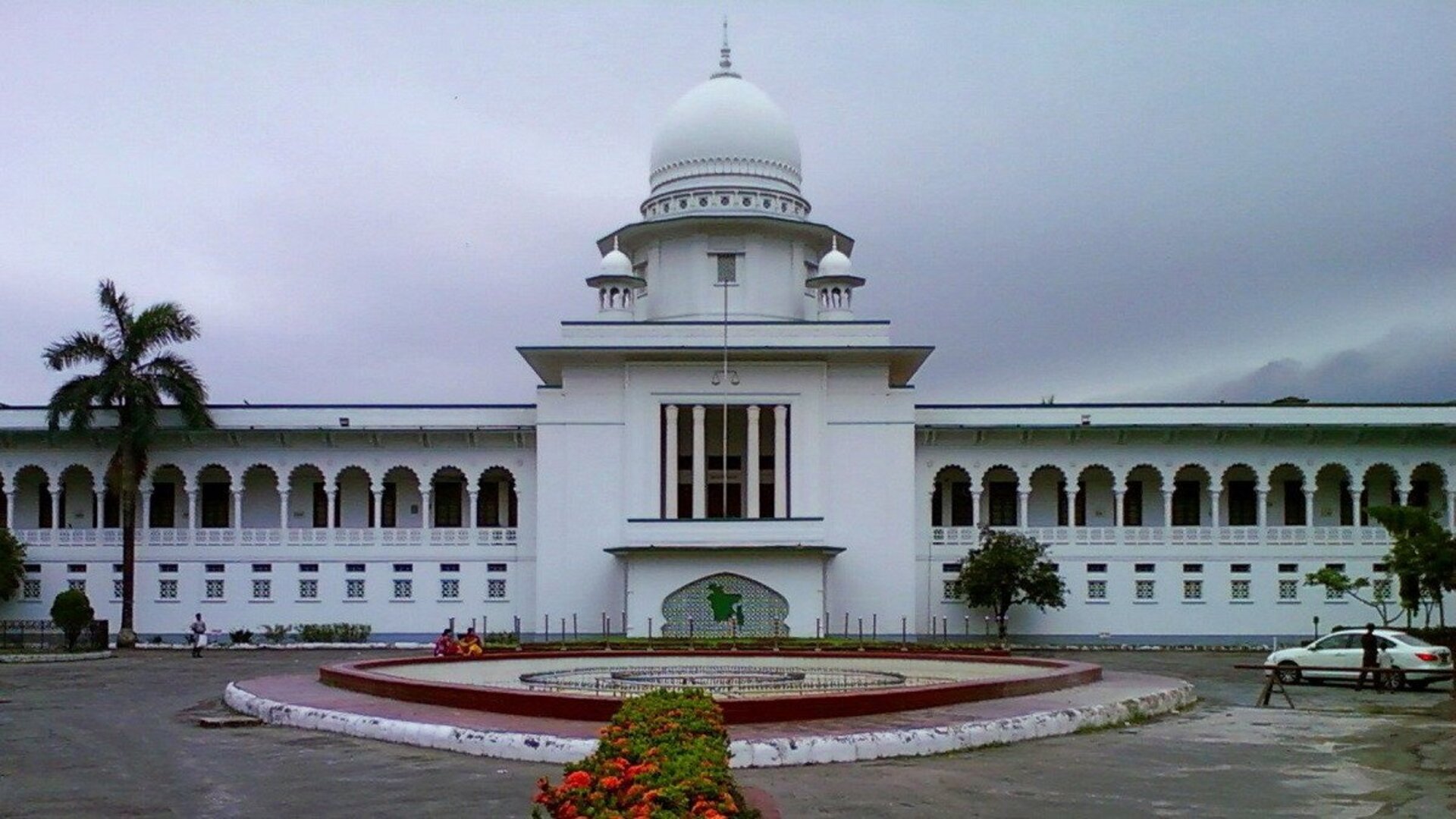
A writ petition has been filed in the High Court challenging the President’s authority to pardon convicted individuals without a defined policy. Advocate Ishrat Hasan, a Supreme Court lawyer, filed the petition in the public interest on Monday. The writ seeks a directive to issue a rule questioning why the President’s power to pardon without a policy should not be deemed unconstitutional. It also calls for the formulation of guidelines for exercising this authority.


The petition highlights that Article 49 of the Constitution grants the President discretionary power to pardon, which lacks any policy framework. This absence of guidelines on who can be pardoned and on what grounds contradicts Articles 7, 27, 31, and 32 of the Constitution. It points out instances of misuse of this power, citing examples like former army chief’s brother Joseph and Aslam Fakir, who were pardoned despite being convicted criminals.


Advocate Ishrat Hasan argued that over the years, this power has been misused, particularly during past governments, to pardon convicted murderers, undermining the justice system and eroding public trust in fair judicial processes. She emphasized the urgent need for a structured policy to prevent such misuse.


The Cabinet Secretary, Law Secretary, Home Secretary, Parliament Secretary, and Secretary to the President’s Office have been made respondents in the writ.

 

Please Share This Post in Your Social Media

Writ Seeks Legal Framework for Presidential Pardoning Powers

Update Time : 07:43:32 am, Monday, 20 January 2025

A writ petition has been filed in the High Court challenging the President’s authority to pardon convicted individuals without a defined policy. Advocate Ishrat Hasan, a Supreme Court lawyer, filed the petition in the public interest on Monday. The writ seeks a directive to issue a rule questioning why the President’s power to pardon without a policy should not be deemed unconstitutional. It also calls for the formulation of guidelines for exercising this authority.


The petition highlights that Article 49 of the Constitution grants the President discretionary power to pardon, which lacks any policy framework. This absence of guidelines on who can be pardoned and on what grounds contradicts Articles 7, 27, 31, and 32 of the Constitution. It points out instances of misuse of this power, citing examples like former army chief’s brother Joseph and Aslam Fakir, who were pardoned despite being convicted criminals.


Advocate Ishrat Hasan argued that over the years, this power has been misused, particularly during past governments, to pardon convicted murderers, undermining the justice system and eroding public trust in fair judicial processes. She emphasized the urgent need for a structured policy to prevent such misuse.


The Cabinet Secretary, Law Secretary, Home Secretary, Parliament Secretary, and Secretary to the President’s Office have been made respondents in the writ.