Dhaka 2:07 pm, Tuesday, 20 October 2026

Bangladesh Plans Two-Phase Mobile Phone Registration, Targets January 1 Launch

Reporter Name
  • Update Time : 06:57:21 am, Tuesday, 20 October 2026
  • / 13 Time View

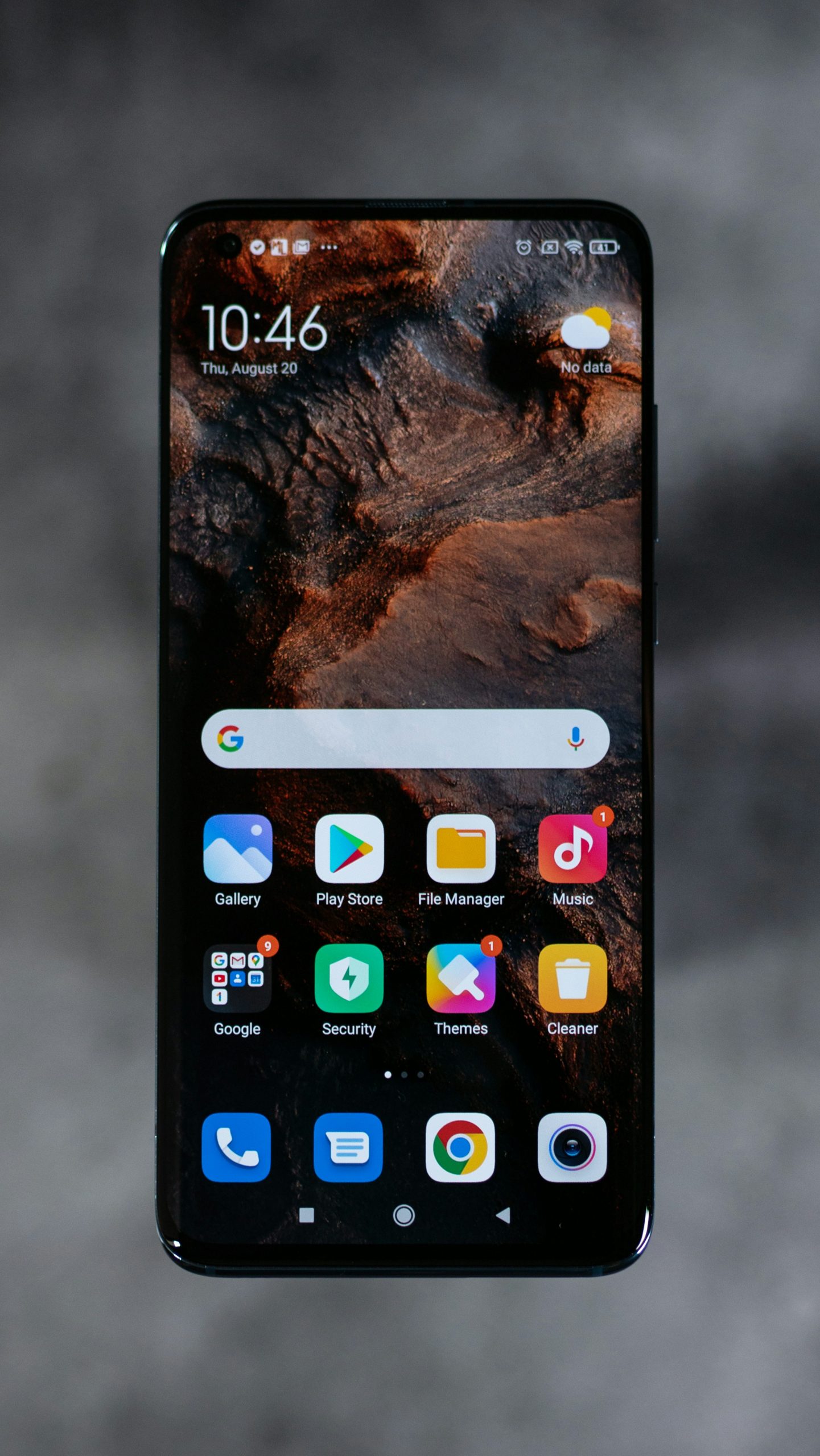
The Bangladesh Telecommunication Regulatory Commission (BTRC) is planning to introduce the National Equipment Identity Register (NEIR) in two phases, with the first phase targeted for January 1, 2027, to regulate the use of illegally manufactured and imported mobile phones.


Under the proposed rollout, authorities will be able to identify illegal handsets and restrict their sale and use. However, phones operating with cloned or duplicated International Mobile Equipment Identity (IMEI) numbers will not be blocked during the first phase. That capability is expected to be introduced in the second phase.


According to the minutes of a BTRC commission meeting, the first phase will activate the system’s core functions, allowing authorities to identify unauthorised devices and take measures to control their circulation.


The second phase is expected to introduce a deregistration facility, making it easier to identify a phone’s rightful owner and update ownership records when a device changes hands. No specific date has yet been set for the second phase.


Government Approval Still Required


The BTRC has decided to seek prior government approval through a letter to the Posts and Telecommunications Division before launching the first phase.


Although January 1 has been set as the target date, implementation will depend on government approval and the completion of necessary preparations.


Mobile phones already active on local networks have been automatically included in the NEIR database. Importers have also been given an opportunity to submit the IMEI numbers and other required information for unsold handsets in their inventories.


The regulator plans to conduct at least two months of public awareness campaigns before implementation to inform consumers and businesses about the new system.


Industry Wants Full Implementation


Zakeria Shahid, president of the Mobile Phone Industry Owners of Bangladesh, said the industry wanted the NEIR to be introduced in full as soon as possible.


He said the system could increase government revenue while helping consumers access better-quality mobile phones.


However, Rehan Asif Asad, the prime minister’s adviser on telecommunications and information technology, said the government would avoid rushing the process.


“The aim is to stop the use of illegal phones, but we will not rush,” he said, adding that the government would consult all stakeholders to develop an effective solution and avoid repeating the failures of previous attempts.


He said the interests of businesses, entrepreneurs, the National Board of Revenue (NBR), the government and consumers would all be considered during implementation.


Previous Attempts Failed to Deliver Full Benefits


The NEIR was developed to identify illegal and stolen mobile phones by checking their IMEI numbers and disconnecting unauthorised devices from mobile networks.


Its pilot operation began on July 1, 2021. However, according to BTRC meeting minutes, the system failed to achieve its main objectives because automatic blocking of illegal handsets and the detection of cloned phones were not fully implemented.


On October 29, 2024, the NBR reportedly informed the BTRC that the government was losing around Tk 2,000 crore in annual revenue because of illegally manufactured and imported mobile phones.


The government subsequently renewed efforts to introduce the system in full.


A meeting at the Posts and Telecommunications Division on December 1, 2025, decided to move forward with the rollout. The BTRC initially prepared to activate all features on January 1, 2026, but some functions were not fully introduced amid concerns about potential public inconvenience ahead of the national election.


The National Security Intelligence agency later recommended full implementation on June 9, 2026, while the issue was also discussed at a Home Ministry meeting on July 2.


At a subsequent meeting chaired by the home minister on September 22, officials proposed launching the system by January 1, 2027. The latest BTRC commission meeting settled on the two-phase approach.


Mobile Phone Traders Previously Protested


Earlier efforts to introduce the NEIR triggered a series of protests by mobile phone traders in November and December 2025.


Traders demanded sufficient time to sell unsold stock, lower import duties and a simpler import process.


The system had initially been scheduled to launch on December 16, 2025. However, the BTRC extended the deadline for submitting information about unsold phones and rescheduled the launch for January 1, 2026.


Concerns Over Rising Phone Prices


The affordability and availability of legally sourced mobile phones remain major challenges for the planned rollout.


According to mobile phone traders, a handset model that sold for Tk 13,000 at the beginning of the year was priced at around Tk 18,000 by September.


Traders fear that the price of the cheapest smartphones could rise to as much as Tk 25,000 by the end of the year.


They attribute the increases partly to higher memory chip prices and supply shortages.


Although the government reduced import duties on mobile phone components earlier this year, industry representatives say the move has not produced the expected impact on retail prices.


The effectiveness of the NEIR rollout may therefore depend not only on enforcement against illegal devices but also on ensuring that legitimate phones remain affordable and readily available to consumers.

Tag :

Please Share This Post in Your Social Media

Bangladesh Plans Two-Phase Mobile Phone Registration, Targets January 1 Launch

Update Time : 06:57:21 am, Tuesday, 20 October 2026

The Bangladesh Telecommunication Regulatory Commission (BTRC) is planning to introduce the National Equipment Identity Register (NEIR) in two phases, with the first phase targeted for January 1, 2027, to regulate the use of illegally manufactured and imported mobile phones.


Under the proposed rollout, authorities will be able to identify illegal handsets and restrict their sale and use. However, phones operating with cloned or duplicated International Mobile Equipment Identity (IMEI) numbers will not be blocked during the first phase. That capability is expected to be introduced in the second phase.


According to the minutes of a BTRC commission meeting, the first phase will activate the system’s core functions, allowing authorities to identify unauthorised devices and take measures to control their circulation.


The second phase is expected to introduce a deregistration facility, making it easier to identify a phone’s rightful owner and update ownership records when a device changes hands. No specific date has yet been set for the second phase.


Government Approval Still Required


The BTRC has decided to seek prior government approval through a letter to the Posts and Telecommunications Division before launching the first phase.


Although January 1 has been set as the target date, implementation will depend on government approval and the completion of necessary preparations.


Mobile phones already active on local networks have been automatically included in the NEIR database. Importers have also been given an opportunity to submit the IMEI numbers and other required information for unsold handsets in their inventories.


The regulator plans to conduct at least two months of public awareness campaigns before implementation to inform consumers and businesses about the new system.


Industry Wants Full Implementation


Zakeria Shahid, president of the Mobile Phone Industry Owners of Bangladesh, said the industry wanted the NEIR to be introduced in full as soon as possible.


He said the system could increase government revenue while helping consumers access better-quality mobile phones.


However, Rehan Asif Asad, the prime minister’s adviser on telecommunications and information technology, said the government would avoid rushing the process.


“The aim is to stop the use of illegal phones, but we will not rush,” he said, adding that the government would consult all stakeholders to develop an effective solution and avoid repeating the failures of previous attempts.


He said the interests of businesses, entrepreneurs, the National Board of Revenue (NBR), the government and consumers would all be considered during implementation.


Previous Attempts Failed to Deliver Full Benefits


The NEIR was developed to identify illegal and stolen mobile phones by checking their IMEI numbers and disconnecting unauthorised devices from mobile networks.


Its pilot operation began on July 1, 2021. However, according to BTRC meeting minutes, the system failed to achieve its main objectives because automatic blocking of illegal handsets and the detection of cloned phones were not fully implemented.


On October 29, 2024, the NBR reportedly informed the BTRC that the government was losing around Tk 2,000 crore in annual revenue because of illegally manufactured and imported mobile phones.


The government subsequently renewed efforts to introduce the system in full.


A meeting at the Posts and Telecommunications Division on December 1, 2025, decided to move forward with the rollout. The BTRC initially prepared to activate all features on January 1, 2026, but some functions were not fully introduced amid concerns about potential public inconvenience ahead of the national election.


The National Security Intelligence agency later recommended full implementation on June 9, 2026, while the issue was also discussed at a Home Ministry meeting on July 2.


At a subsequent meeting chaired by the home minister on September 22, officials proposed launching the system by January 1, 2027. The latest BTRC commission meeting settled on the two-phase approach.


Mobile Phone Traders Previously Protested


Earlier efforts to introduce the NEIR triggered a series of protests by mobile phone traders in November and December 2025.


Traders demanded sufficient time to sell unsold stock, lower import duties and a simpler import process.


The system had initially been scheduled to launch on December 16, 2025. However, the BTRC extended the deadline for submitting information about unsold phones and rescheduled the launch for January 1, 2026.


Concerns Over Rising Phone Prices


The affordability and availability of legally sourced mobile phones remain major challenges for the planned rollout.


According to mobile phone traders, a handset model that sold for Tk 13,000 at the beginning of the year was priced at around Tk 18,000 by September.


Traders fear that the price of the cheapest smartphones could rise to as much as Tk 25,000 by the end of the year.


They attribute the increases partly to higher memory chip prices and supply shortages.


Although the government reduced import duties on mobile phone components earlier this year, industry representatives say the move has not produced the expected impact on retail prices.


The effectiveness of the NEIR rollout may therefore depend not only on enforcement against illegal devices but also on ensuring that legitimate phones remain affordable and readily available to consumers.