BNP and Jamaat face off over the July charter

- Update Time : 07:45:26 am, Friday, 19 September 2025
- / 730 Time View

Political Groups Explore Middle-Ground Solutions on July Charter Implementation
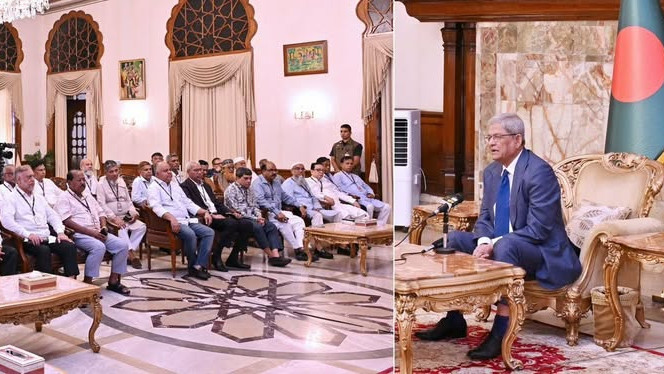
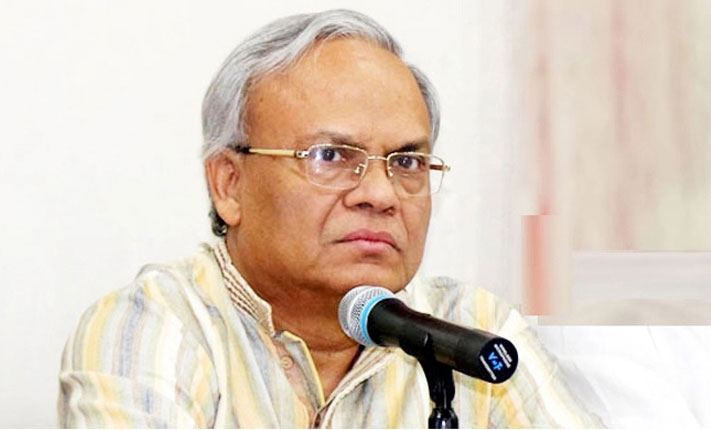
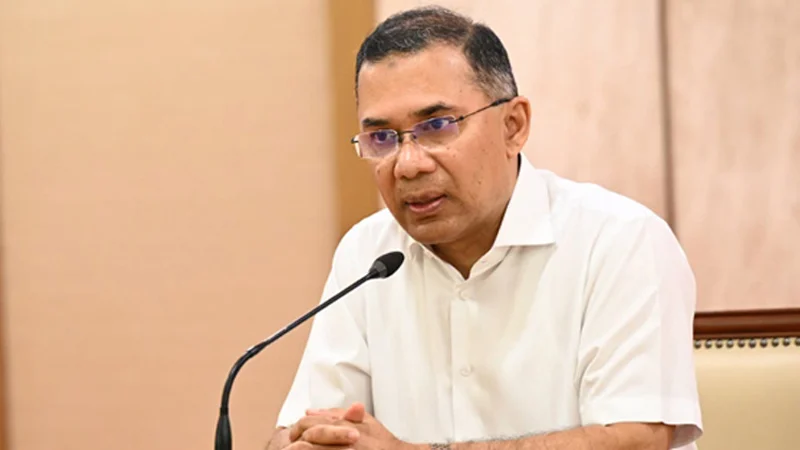
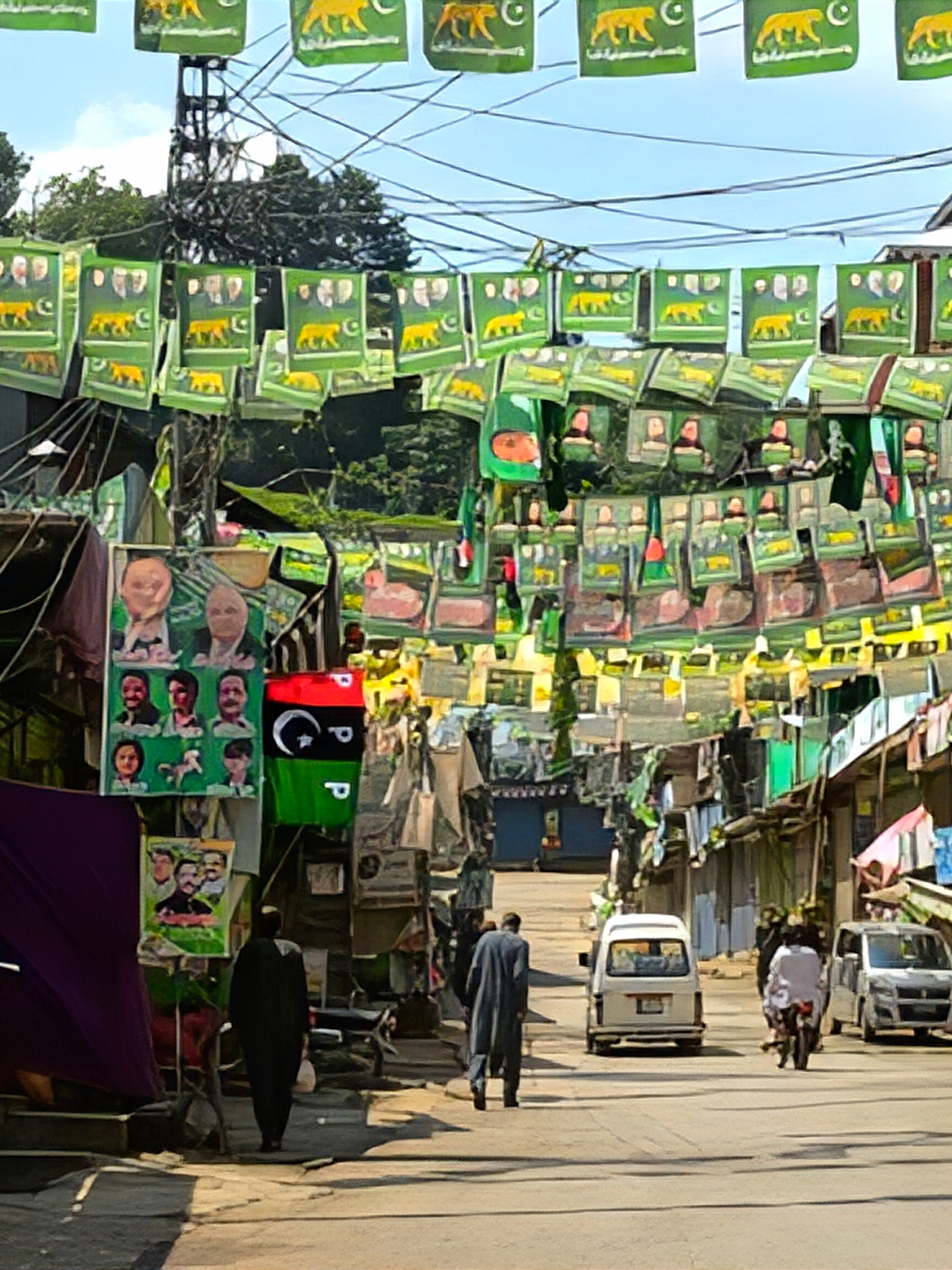
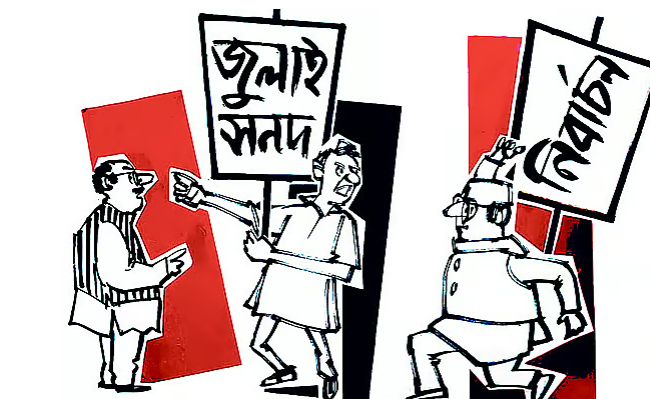
The Bangladesh Nationalist Party (BNP) and Jamaat-e-Islami are at opposing ends regarding the implementation of the July National Charter. Allied parties hold similar positions, raising concerns about an impending political crisis. In response, several parties, including the Democracy Platform, have initiated efforts to find a middle-ground solution.
As part of this initiative, an informal meeting was held on Thursday between six parties from the Democracy Platform, the National Citizens’ Party (NCP), Amar Bangladesh Party (AB Party), and the Ganadhikar Parishad. The gathering took place at a restaurant in Hatirpool, Dhaka, and lasted about three hours, starting at 11 a.m.
Representatives from the Democracy Platform included leaders from Ganasanghati Andolan, Nagorik Oikko, Revolutionary Workers’ Party, State Reform Movement, JSD, and Bhasani Janashakti Party. The meeting was coordinated by Ganasanghati Andolan’s Chief Coordinator, Zunaid Saki.
Speaking to the media, Saki said, “Disagreement has emerged among parties regarding the July Charter’s implementation. We requested the National Consensus Commission to extend the discussion period, and they agreed. This initiative aims to bring parties together for a mutually acceptable solution.”
From NCP, Member Secretary Akhtar Hossain attended and stated that they have been engaging in formal and informal discussions with various parties. “We seek legal certainty for the July Charter, and we hope the next election will be held based on it,” he said.
According to sources familiar with the meeting, responsibility for ongoing dialogue and negotiation has been assigned to Zunaid Saki (Ganasanghati Andolan), Majibur Rahman Monju (AB Party), and Md. Rashed Khan (Ganadhikar Parishad). Matters related to constitutional and legal frameworks will be handled by Hasnat Kaiyum (State Reform Movement), Jabed Rasin (NCP Joint Convenor), and Sani Abdul Haque (AB Party Joint Secretary).
Md. Rashed Khan of Ganadhikar Parishad confirmed that discussions are ongoing to resolve differences over the July Charter. All parties are interested in reaching consensus and plan to meet with BNP and Jamaat soon.
JSD General Secretary Shahid Uddin Mahmud noted that the talks aim to find a compromise on the reform-related crisis. Gradually, they plan to engage with other parties, including CPB and BASAD.
Discussions on Alliances and Coordination
Parties with similar positions on reforms are informally exploring electoral alliances or coordination. NCP, formed by student leaders of the July mass uprising, has emerged as a central player in potential election-related equations. Several NCP leaders were once followers of Nurul Haque, President of Ganadhikar Parishad. Though Ganadhikar leaders did not formally join NCP at its launch on February 28, many subsequently became members.
Talks of potential NCP-Ganadhikar consolidation have also resurfaced, though Ganadhikar President Nurul Haque is not yet fully recovered, so discussions remain preliminary. Md. Rashed Khan emphasized that informal conversations have been about reform, justice, and elections, rather than formal party unification.
Regarding possible electoral alliances, NCP leaders note that tensions between BNP and Jamaat are growing. In this context, parties with aligned positions on reforms—such as Ganasanghati Andolan, AB Party, and State Reform Movement—could form political understandings.
Although there is speculation about NCP’s relations with Jamaat-e-Islami, senior NCP leaders remain cautious about a direct alliance. However, they are open to maintaining cooperation on political matters.
According to sources, NCP continues to hold informal discussions with various parties on reforms and other issues, including potential electoral alliances. Nothing has been finalized yet.
Akhtar Hossain told the media, “There is now a tentative understanding among parties regarding the reform proposals. Whether this will continue until the next election remains to be seen.”