Afghanistan Under Taliban: No War, Yet Millions Struggle to Survive

- Update Time : 12:16:27 pm, Saturday, 15 August 2026
- / 21 Time View
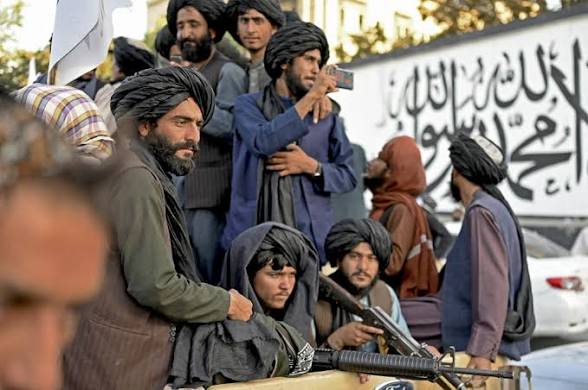

Five years after returning to power in August 2021, the Taliban has successfully consolidated control over Afghanistan, maintaining security and preventing the emergence of any major armed opposition. However, analysts say the country has paid a significant price in terms of economic hardship, international isolation, and restrictions on civil liberties.
Although the government operates from Kabul, many key decisions are believed to be influenced by Taliban Supreme Leader Hibatullah Akhundzada, who remains based in Kandahar. Over the past five years, the movement has evolved from an insurgent force into a highly centralized governing structure with strong influence over political, judicial, and administrative affairs.
Senior Taliban officials continue to manage day-to-day governance, foreign relations, and economic policies. Alongside security measures, the administration has strengthened loyalty networks through religious institutions, public appointments, and financial support programs.
Economic Challenges Persist
Afghanistan’s economy continues to face serious difficulties following the withdrawal of international aid that once funded a large portion of government spending. Frozen foreign assets and reduced global assistance have added to the pressure.
While authorities have increased revenue collection through customs duties and natural resource sectors, many Afghans continue to struggle with basic living expenses. International assessments indicate that a large share of the population remains unable to meet essential needs.
Economic growth has remained modest, and the return of millions of Afghan migrants from neighboring countries has increased pressure on jobs, housing, and public services.
Women’s Rights Remain a Major Concern
One of the most controversial aspects of Taliban rule continues to be restrictions on women and girls. Access to secondary education for girls remains limited, while women face barriers in higher education, employment, and public participation.
Human rights organizations and international institutions have repeatedly raised concerns about these policies, arguing that they have significant social and economic consequences. Analysts estimate that limiting women’s participation in the workforce could cost Afghanistan billions of dollars in lost economic potential over time.
Strained Relations with Pakistan
Relations between Afghanistan and Pakistan have become increasingly complicated. Security concerns, border disputes, and disagreements over militant groups have led to tensions between the neighboring countries.
Pakistan has deported large numbers of Afghan nationals in recent years and has periodically tightened border controls. Meanwhile, Afghan authorities have rejected accusations that they provide support or sanctuary to anti-Pakistan militant organizations.
Challenges Ahead
Despite maintaining firm control of the country, the Taliban faces growing internal and external challenges. Economic development, employment creation, food security, and population growth remain major concerns.
At the same time, Afghanistan’s limited international recognition continues to restrict investment and diplomatic engagement. While regional partners such as China, Russia, and several Central Asian states maintain pragmatic ties with Kabul, broader international acceptance remains uncertain.
Five years after the Taliban’s return to power, Afghanistan appears more secure than during decades of conflict, but questions remain over whether long-term stability can be achieved without stronger economic growth, greater international engagement, and broader social inclusion.