Is America Losing Ground in Asia? China Moves Aggressively as U.S. Focus Shifts Elsewhere

- Update Time : 03:14:41 pm, Sunday, 16 August 2026
- / 29 Time View
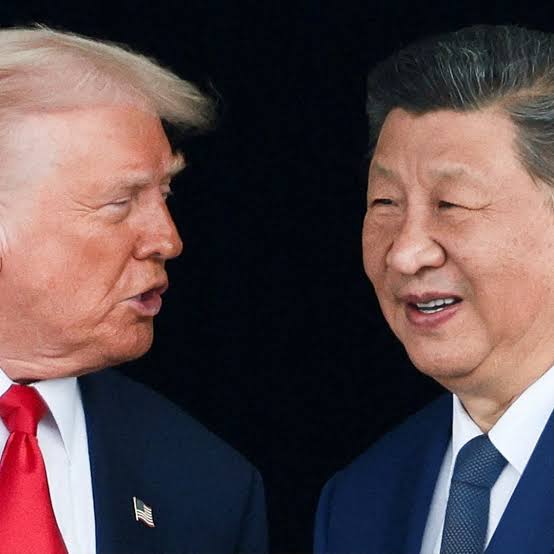

China is steadily expanding its influence across Asia, raising concerns among regional allies and security analysts who question whether the United States can maintain its strategic presence while dealing with multiple global challenges.
Recent tensions in the South China Sea have once again highlighted the growing rivalry between Washington and Beijing. A disputed maritime area near the Philippines became the latest flashpoint, drawing international attention and renewed discussions about regional security.
Several Asian nations are closely watching China’s increasing military and diplomatic activities. Experts say Beijing has been strengthening its position through a combination of defense modernization, economic partnerships, and regional engagement.
At the same time, some governments are seeking reassurance that the United States remains fully committed to the Indo-Pacific region despite ongoing international crises demanding Washington’s attention.
China has continued to expand economic ties and strategic partnerships across Asia while increasing its presence in contested maritime areas.
Analysts believe Beijing’s long-term strategy focuses on becoming the dominant power in the region by deepening trade relationships, investing in infrastructure projects, and enhancing military capabilities.
U.S. officials insist that America remains committed to its allies and security obligations throughout the Indo-Pacific.
Senior defense leaders have emphasized maintaining deterrence and strengthening cooperation with key partners, including Japan, the Philippines, and other regional allies.
However, some observers argue that perceptions matter as much as reality, and any sign of reduced engagement could encourage competitors to become more assertive.
Many countries in Southeast Asia are attempting to maintain strong relations with both global powers.
While security partnerships with the United States remain important, economic ties with China are often essential for growth and development. As a result, regional governments increasingly favor a balanced approach rather than choosing sides.
Experts say the competition between China and the United States is no longer limited to military strength. Trade, technology, diplomacy, infrastructure investment, and regional influence are becoming equally important battlegrounds.
As geopolitical tensions continue to evolve, the struggle for influence in Asia is expected to remain one of the most significant global stories in the years ahead.