Bangladesh’s Food Production Rises, but Import Dependence Persists

- Update Time : 08:42:12 am, Friday, 16 October 2026
- / 14 Time View

Despite rising domestic food production, Bangladesh continues to rely on imports to meet growing demand, highlighting persistent challenges in ensuring food security, stabilising market prices and making food affordable for consumers.
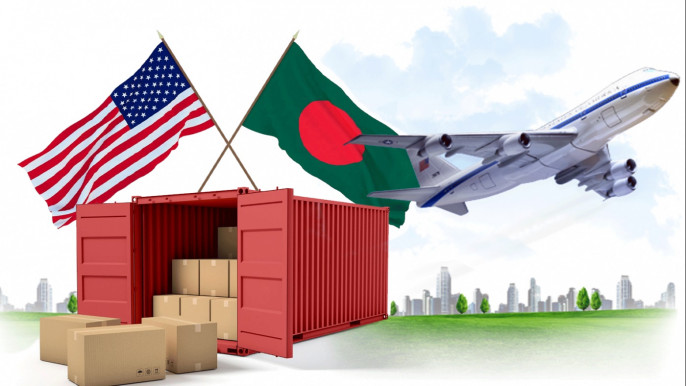
According to the Directorate General of Food, Bangladesh imported 1,497,510 tonnes of rice and wheat between July 1 and October 14 of the current fiscal year. The total included 30,730 tonnes of rice and 1,466,780 tonnes of wheat, imported through both public and private channels.
In the previous fiscal year, the country imported 8,602,080 tonnes of food grains, including 1,268,490 tonnes of rice and 7,333,590 tonnes of wheat.
Experts say reducing import dependence will require more than increasing production. Greater investment in agricultural research and innovation, stronger measures to address climate risks, improved storage and marketing systems, and more transparent management of public food stocks are also essential.
The issue has gained renewed attention as Bangladesh observes World Food Day on October 16 under the theme “Hand in Hand for Better Foods and a Better Future.” With global population growth, shrinking arable land, climate change and mounting pressure on natural resources, ensuring adequate, safe and nutritious food for everyone remains a major concern.
The global population is projected to reach 10 billion by 2050, intensifying questions about how limited land and resources can sustain future food needs. For Bangladesh, the challenge is to reduce import dependence while ensuring fair prices for farmers and keeping food affordable for consumers.
Agricultural economist and researcher Dr Mohammad Asaduzzaman told Samakal that increasing domestic production was essential to reducing imports, but doing so would require new agricultural innovations.
“The government says production is increasing. However, it is also providing figures on imports,” he said, pointing to the need to reconcile the two trends.
World Food Day offers an opportunity to rethink the future of agriculture, with experts emphasising that food production must go hand in hand with better nutrition, environmental protection and farmers’ economic security.
A sustainable food system, they say, must ensure that farmers receive prices commensurate with their production costs while consumers can purchase essential food at affordable rates.
Government Food Stocks and Procurement
According to the Ministry of Food, government food grain stocks stood at 2,271,226 tonnes as of October 14. This included 1,955,754 tonnes of rice, 312,073 tonnes of wheat and 5,230 tonnes of paddy.
Including floating stocks, the total stood at 2,345,574 tonnes.
During the 2026 Boro season, the government procured a total of 1,804,002 tonnes of paddy, parboiled rice, non-parboiled rice and wheat.
Although procurement and stock figures indicate the capacity of the public food supply system, they have not eliminated the need for imports. Import requirements depend on national demand, domestic production patterns, seasonal availability and market conditions.
Wheat remains particularly dependent on imports because domestic production falls short of demand. In the case of rice, the gap between production and consumption, crop losses caused by natural disasters and the need to stabilise markets can also influence import decisions.
Experts caution that high domestic production alone does not guarantee food security for everyone. Fair distribution, better storage, reduced losses throughout the supply chain and sufficient purchasing power among consumers are equally important.
Shrinking Farmland, Growing Food Demand
As the global population grows, demand for food continues to rise. At the same time, urbanisation, industrialisation and infrastructure development are placing increasing pressure on agricultural land.
Climate change is making agricultural production less predictable through droughts, floods, salinity and irregular rainfall. Excessive use of chemical fertilisers and pesticides, uncontrolled extraction of groundwater and declining organic matter in soil also threaten long-term agricultural productivity.
Agricultural innovation, experts say, goes beyond introducing modern machinery or improved seeds. It includes applying fertilisers according to soil conditions, conserving water, detecting crop diseases early, diversifying crops and using digital technologies to provide farmers with timely advice.
Reducing food waste and improving efficiency across the supply chain—from production to consumers—are also critical to building a more resilient food system.
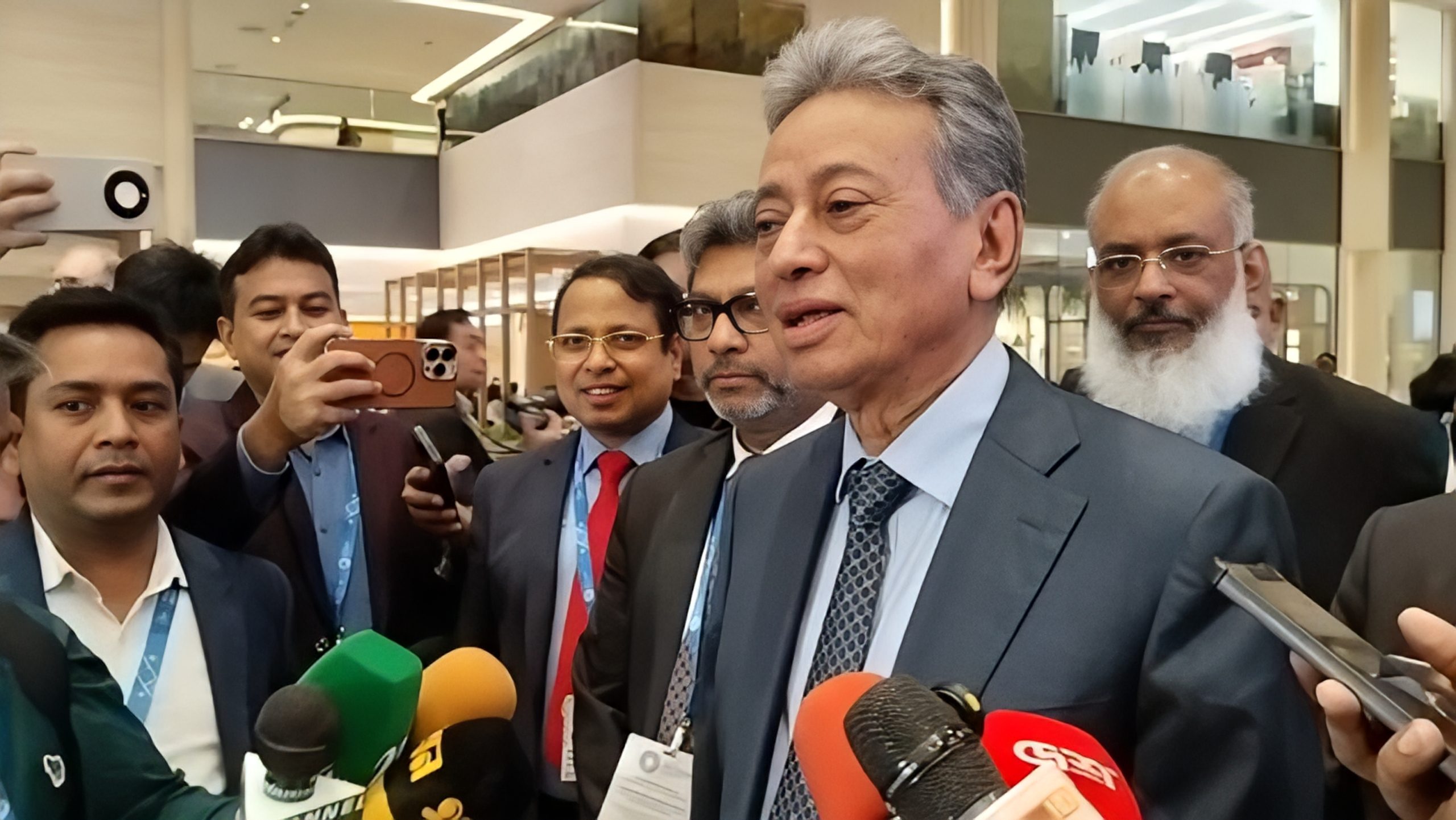
Agriculture Minister Mohammad Aminur Rashid said food production in Bangladesh had increased significantly compared with previous years. He added that the government was expanding agricultural innovation and the use of modern technologies to further strengthen food security.