BNP Engages Religious Parties to Widen Political Base

- Update Time : 06:31:58 am, Sunday, 17 August 2025
- / 297 Time View


BNP Faces New Challenge as Islamist Parties Move to Unite Ahead of Election
The shifting political scene after 5 August has created a new dilemma for the BNP. With the ruling Awami League barred from political activity, right-wing Islamic forces are attempting to consolidate their strength. BNP leaders fear that if these parties succeed, they could become BNP’s main competitors in the coming national polls.
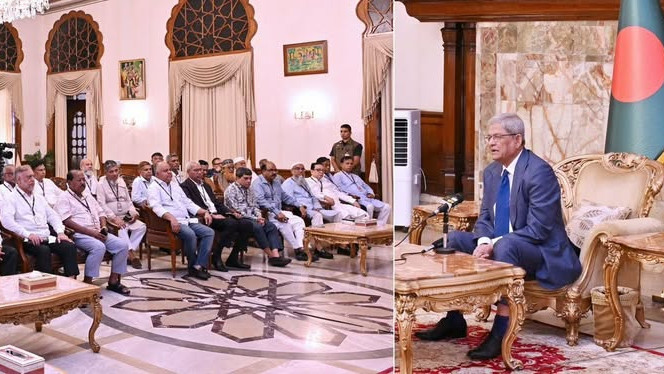
In response, BNP is working on a two-track strategy: strengthening relations with religious leaders while also preparing to counter an Islamist electoral bloc. Recently, senior BNP figures—including Nazrul Islam Khan and Salahuddin Ahmed—visited Hefazat-e-Islam’s chief Allama Muhibbullah Babunagari, along with several prominent madrasa authorities and Sufi pirs, seeking guidance, blessings, and cooperation.
According to party sources, BNP intends to expand such outreach across the country, from major madrasas to khanqahs, involving both central and regional leaders. The aim is to prevent madrasa teachers, students, and clerics from rallying entirely behind one side.
At the same time, Islamist parties themselves are working to bring their votes “into one basket.” Spearheading this initiative is Islami Andolan Bangladesh, led by Charmonai Pir Syed Muhammad Rezaul Karim. Jamaat-e-Islami has also expressed interest; its chief Shafiqur Rahman recently met the Charmonai Pir, signaling support for unity. Statements by Jamaat leaders, including Secretary General Mia Ghulam Parwar, suggest quiet negotiations are ongoing.
Other smaller parties, such as Bangladesh Khelafat Majlis, Nezam-e-Islam, and factions of Khelafat Andolan, have joined the dialogue. The newly formed National Citizen Party (NCP) has also been mentioned as a potential ally. Altogether, five Islamic parties are reportedly coordinating under Islami Andolan’s leadership.
However, unity remains uncertain. Jamiat Ulema-e-Islam, for instance, has expressed reservations. Senior Jamiat figures note that Qawmi scholars have long-standing theological disputes with Jamaat, making a full merger unlikely. Some insiders believe Jamiat may eventually side with BNP, given its past electoral ties.
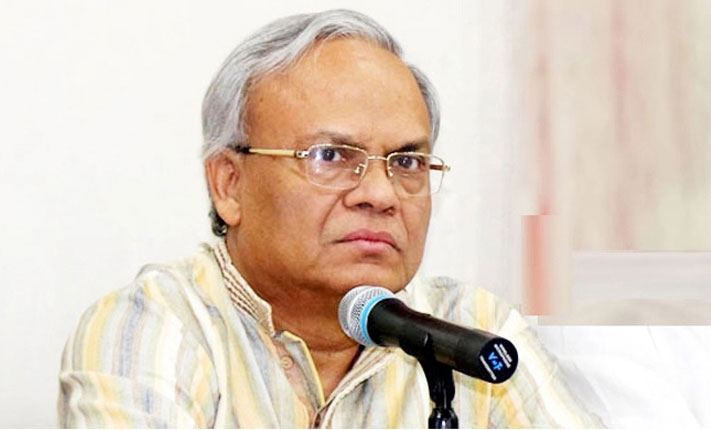
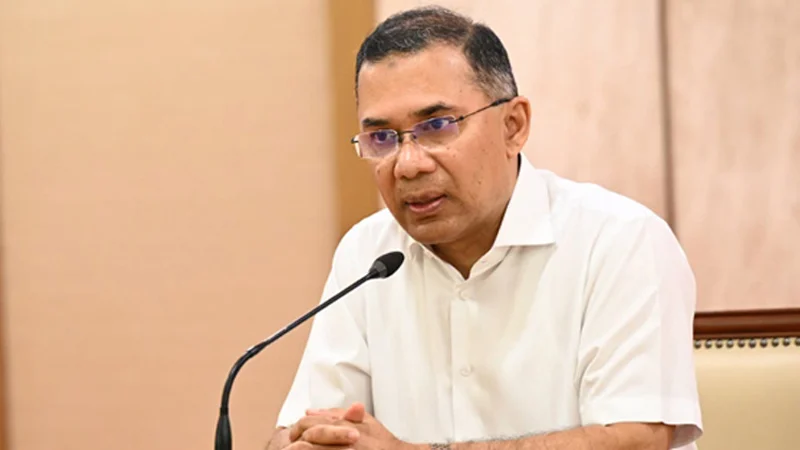
BNP leaders openly acknowledge the growing challenge. Standing Committee member Salahuddin Ahmed stated that while BNP is rooted in Islamic values and seeks cooperation with religious groups, it is not worried about Jamaat or Charmonai Pir’s search for allies. BNP, he said, is prepared to work with other Islamic parties where possible.
Analysts, however, point out that such unity efforts among Islamists have repeatedly failed in the past, often serving as bargaining tools rather than lasting coalitions. Researcher Sharif Muhammad noted that BNP’s deeper concern lies in how Islamist votes will be distributed in the absence of Awami League, especially as BNP itself struggles with weakening grassroots networks.
In short, while BNP attempts to secure backing from influential clerics and religious institutions, it is simultaneously watching the Islamist alliance-building effort with caution. Whether the right-wing parties can form a cohesive bloc—or simply use negotiations as leverage—remains a key question in Bangladesh’s upcoming election landscape.