Dhaka 9:18 pm, Friday, 24 July 2026

Chief Advisor Proposes Unification of Investment Agencies

Reporter Name
  • Update Time : 12:58:37 pm, Tuesday, 14 January 2025
  • / 525 Time View

Chief Advisor Professor Muhammad Yunus has urged all investment organizations to unify under one platform to attract more foreign investment. He also assured that the land dispute of the Korean Export Processing Zone (EPZ) would be resolved by early February. His remarks came on Tuesday, January 14, during a meeting with Ki-Hak Sung, Chairman of Youngone Corporation, and other top foreign investors at the State Guesthouse Jamuna.


Ki-Hak Sung highlighted several barriers discouraging foreign direct investment (FDI) in Bangladesh, urging improvements in the business environment for large-scale investments. Professor Yunus assured him that the Korean EPZ would serve as a model for future industrial projects, creating significant employment opportunities.


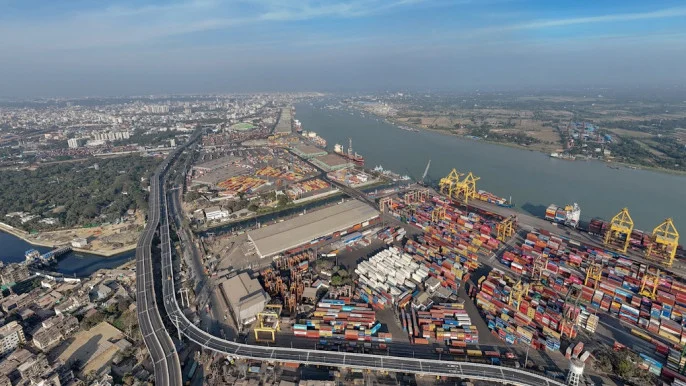
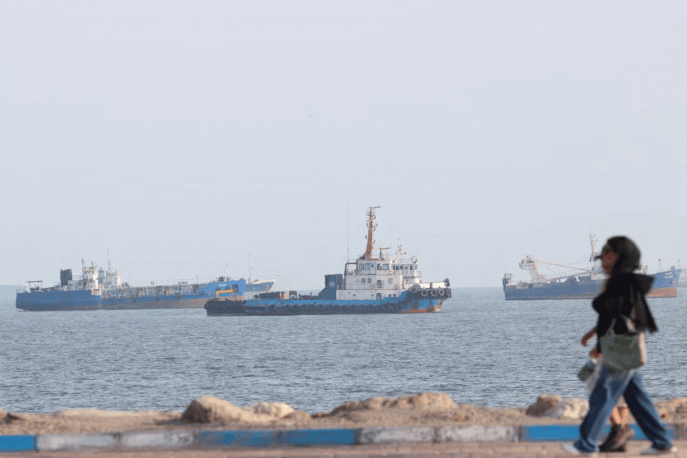
Sung appreciated the interim government’s swift actions to resolve longstanding issues tied to the Korean EPZ and expressed optimism that it would pave the way for more Korean investors. He also called for expedited shipment processes at Chittagong Port, citing its inefficiencies as a key reason for Bangladesh missing out on high-value orders for premium fashion apparel. He compared this with Vietnam’s faster export operations, which have attracted substantial investments.


Professor Yunus confirmed directives to enhance port efficiency and noted that Special Envoy Lutfe Siddique is working on plans to elevate Chittagong Port as a top regional hub. Meanwhile, British investor Mohammad A. Matin echoed the necessity of bringing all investment promotion agencies under one roof to provide a streamlined one-stop service for foreign investors.


Yunus instructed the head of the Bangladesh Investment Development Authority (BIDA), Chowdhury Ashiq Mahmud Bin Harun, to consolidate five investment organizations into one unified office. Harun acknowledged these agencies as legacies of past inefficient and corrupt governments and shared that BIDA has initiated steps toward unification.


Sung revealed that Youngone is constructing one of the world’s largest textile institutes in Bangladesh, which will train thousands of young professionals annually. He invited Professor Yunus to its opening in three months. Matin also proposed simplifying labor laws and introducing net metering systems for solar panels in EPZs, pointing out that discriminatory policies currently impose at least 26% tax on solar panel imports for investors.


Yunus reassured that significant labor law reforms are underway under Lutfe Siddique’s leadership and hinted at the possibility of a green channel for quicker exports via Chittagong Port. Ki-Hak Sung called for more transparency in labor regulations to ease business operations.


Javier Carlos Santonja Olsina, Inditex’s Country Head, praised the interim government’s business-friendly reforms, describing them as transformative for Bangladesh’s economic outlook. Paul Anthony Warren of Dewhurst, a director of several garment factories in the country, also attended the meeting and expressed optimism for the future of Bangladesh’s exports.
 

Tag :

Please Share This Post in Your Social Media

Chief Advisor Proposes Unification of Investment Agencies

Update Time : 12:58:37 pm, Tuesday, 14 January 2025

Chief Advisor Professor Muhammad Yunus has urged all investment organizations to unify under one platform to attract more foreign investment. He also assured that the land dispute of the Korean Export Processing Zone (EPZ) would be resolved by early February. His remarks came on Tuesday, January 14, during a meeting with Ki-Hak Sung, Chairman of Youngone Corporation, and other top foreign investors at the State Guesthouse Jamuna.


Ki-Hak Sung highlighted several barriers discouraging foreign direct investment (FDI) in Bangladesh, urging improvements in the business environment for large-scale investments. Professor Yunus assured him that the Korean EPZ would serve as a model for future industrial projects, creating significant employment opportunities.


Sung appreciated the interim government’s swift actions to resolve longstanding issues tied to the Korean EPZ and expressed optimism that it would pave the way for more Korean investors. He also called for expedited shipment processes at Chittagong Port, citing its inefficiencies as a key reason for Bangladesh missing out on high-value orders for premium fashion apparel. He compared this with Vietnam’s faster export operations, which have attracted substantial investments.


Professor Yunus confirmed directives to enhance port efficiency and noted that Special Envoy Lutfe Siddique is working on plans to elevate Chittagong Port as a top regional hub. Meanwhile, British investor Mohammad A. Matin echoed the necessity of bringing all investment promotion agencies under one roof to provide a streamlined one-stop service for foreign investors.


Yunus instructed the head of the Bangladesh Investment Development Authority (BIDA), Chowdhury Ashiq Mahmud Bin Harun, to consolidate five investment organizations into one unified office. Harun acknowledged these agencies as legacies of past inefficient and corrupt governments and shared that BIDA has initiated steps toward unification.


Sung revealed that Youngone is constructing one of the world’s largest textile institutes in Bangladesh, which will train thousands of young professionals annually. He invited Professor Yunus to its opening in three months. Matin also proposed simplifying labor laws and introducing net metering systems for solar panels in EPZs, pointing out that discriminatory policies currently impose at least 26% tax on solar panel imports for investors.


Yunus reassured that significant labor law reforms are underway under Lutfe Siddique’s leadership and hinted at the possibility of a green channel for quicker exports via Chittagong Port. Ki-Hak Sung called for more transparency in labor regulations to ease business operations.


Javier Carlos Santonja Olsina, Inditex’s Country Head, praised the interim government’s business-friendly reforms, describing them as transformative for Bangladesh’s economic outlook. Paul Anthony Warren of Dewhurst, a director of several garment factories in the country, also attended the meeting and expressed optimism for the future of Bangladesh’s exports.