Bangladesh Faces Setback in Child Health as Breastfeeding Rates Drop

- Update Time : 02:25:13 pm, Tuesday, 11 August 2026
- / 26 Time View


Rates of exclusive breastfeeding and early breastfeeding initiation have declined in Bangladesh over recent years, prompting concerns from the United Nations Children’s Fund UNICEF and the World Health Organization WHO, which are calling for stronger support systems f or mothers and infants.
In a joint statement released Tuesday, the two organizations said the proportion of infants under six months of age who are fed exclusively with breast milk fell from 62.6% in 2019 to 56.6% in 2025.
The statement also noted a significant decline in the number of newborns receiving breast milk within the first hour after birth. That figure dropped from 46.6% in 2019 to 30.4% this year.
UNICEF and WHO emphasized that breast milk provides all essential nutrients an infant needs during the first six months of life while also protecting children from infectious diseases, strengthening immunity and supporting healthy physical and cognitive development.
The agencies highlighted additional health benefits for mothers, including a reduced risk of breast cancer, ovarian cancer and Type 2 diabetes.
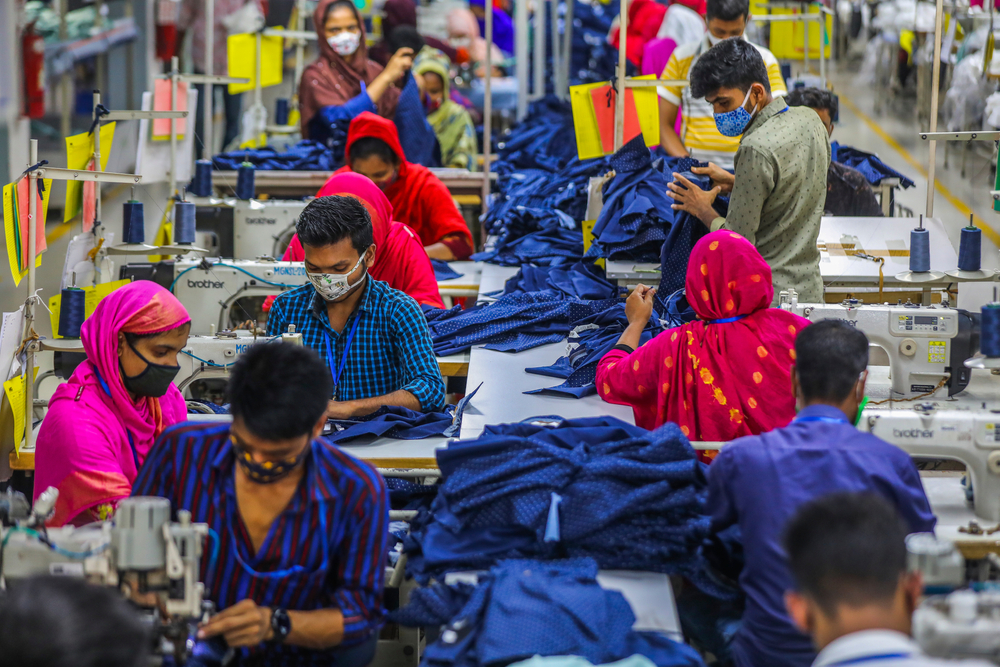
According to the statement, while breastfeeding is a natural process, many women face challenges due to inadequate support during pregnancy, childbirth and the postnatal period. Limited maternity protection, insufficient workplace accommodations and a lack of professional guidance continue to hinder breastfeeding practices.
The organizations also expressed concern over ongoing marketing and promotion of breast milk substitutes and infant formula products, which they said can influence feeding decisions. These challenges often become more pronounced during emergencies and humanitarian crises.
Marking World Breastfeeding Week, observed under the theme “Prioritise Breastfeeding: Create Sustainable Support Systems,” UNICEF and WHO stressed the importance of expanding proven interventions rather than seeking entirely new solutions.
The agencies identified several measures that have been shown to improve breastfeeding rates, including stronger healthcare systems, trained health professionals, family and community support networks, baby-friendly hospital initiatives, maternity protection policies and breastfeeding-friendly workplaces.
They also called for the full enforcement of existing regulations governing the marketing of breast milk substitutes and infant foods, including restrictions on inappropriate promotion through digital and social media platforms.
According to the statement, investments in breastfeeding support generate significant economic returns. The agencies estimated that every dollar invested in breastfeeding promotion can yield approximately $59 in long-term economic benefits through reduced healthcare costs, improved educational outcomes and higher future productivity.
UNICEF and WHO urged governments, healthcare providers, employers, development partners and communities to strengthen efforts aimed at protecting, promoting and supporting breastfeeding.
The organizations said ensuring paid maternity leave, workplace breastfeeding breaks and supportive environments for working mothers will be critical to reversing the current decline and improving child health outcomes nationwide.
They pledged to continue working alongside the Government of Bangladesh and development partners to create conditions that enable every mother to breastfeed successfully and every child to achieve healthy growth and development.