Dhaka 5:46 am, Monday, 15 June 2026

Relief After Yunus-Tarique Meeting: Will It Be Sustainable?

Reporter Name
  • Update Time : 05:48:16 am, Saturday, 14 June 2025
  • / 500 Time View

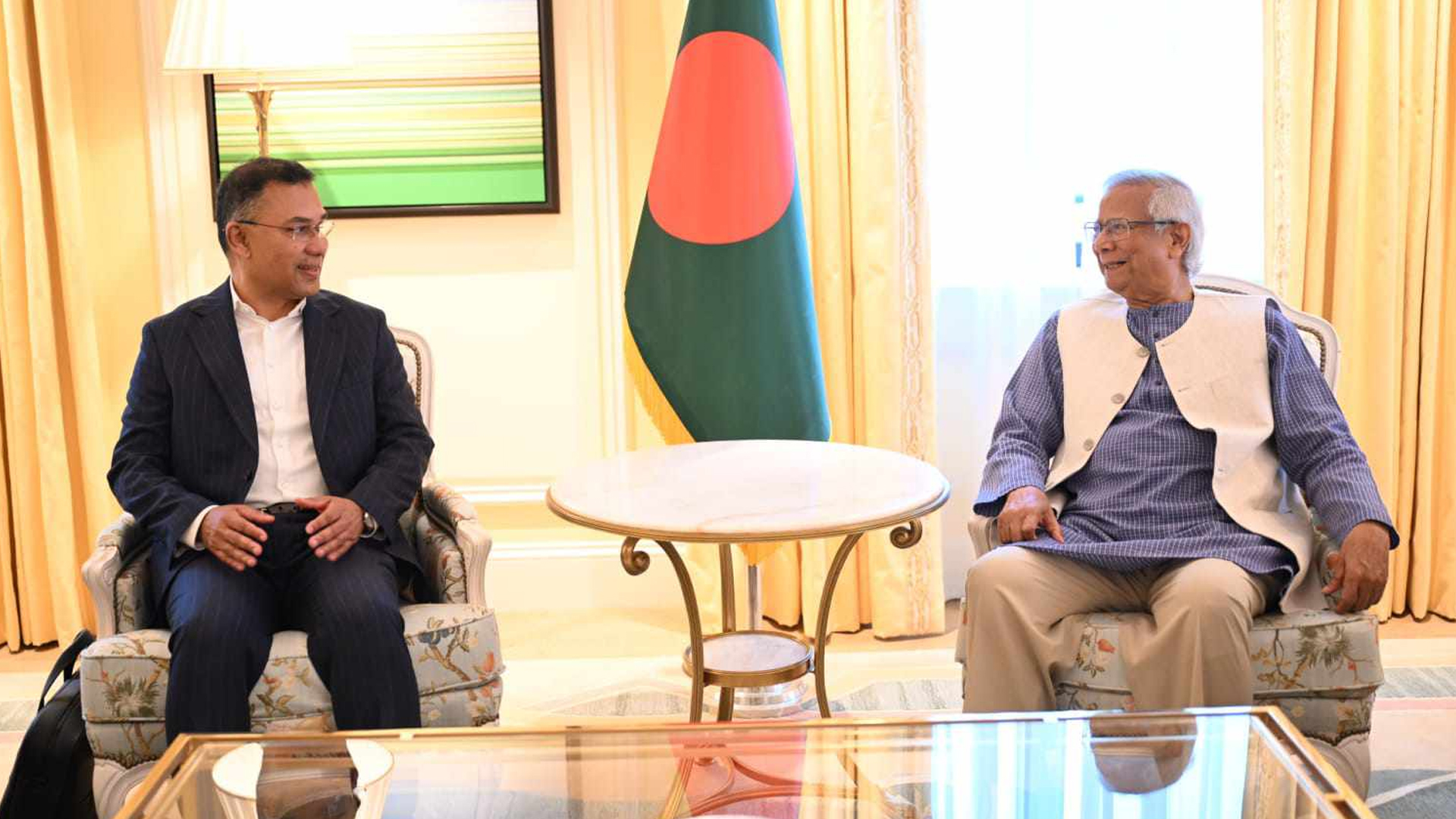
In recent times, political debates were increasingly disrupting the normal functions of the non-partisan interim government, raising nationwide concern. Naturally, this sparked great interest when Professor Muhammad Yunus, the Chief Adviser, met with Tarique Rahman, the acting chairman of the BNP, who has long been in exile in London. Both the Chief Adviser’s press secretary and the BNP’s secretary-general indicated that the meeting was mutually anticipated. Following the discussion, both parties expressed satisfaction with the outcome, providing a temporary sense of relief.


However, the durability of this relief remains uncertain. Much depends on the depth of the political crisis and the extent of the gap between the parties. There had been a growing perception that BNP supporters were unsure about participating in the election, though this skepticism was more evident among grassroots activists and conspiracy theorists than within the party’s leadership. On the other hand, some supporters of the interim government were advocating for a prolonged tenure of five to ten years before any election, creating further mistrust.


It became clear during the meeting that if preparations were sufficient, the election could be held as late as the week before Ramadan in 2026, with the government having no objection to a February election. Professor Yunus’s minimum goal remains achieving meaningful reforms and securing at least symbolic progress in the trials of crimes against humanity before elections take place—an understandable ambition given the scale of the popular uprising that brought the interim government to power.


Tarique Rahman appeared pragmatic, acknowledging the need for time to complete essential reforms and legal processes, without taking a rigid stance on election timing. This flexibility from both sides seems to have helped bridge the apparent divide. They continued their conversation privately for over an hour, which has since sparked speculation. According to the Chief Adviser’s press secretary, Tarique Rahman shared his vision for the country’s future, which reportedly impressed Professor Yunus, known for his usual detachment from partisan politics.


Disorder within the BNP had previously crossed acceptable limits, and though the leadership took disciplinary measures, whether these were sufficient remains debatable. Large political parties always face the challenge of maintaining internal discipline, especially in a nation striving for a new beginning free from authoritarianism.


Some political factions, particularly newer groups like the National Citizens Party (NCP), may view the BNP’s reconciliation with the interim government with suspicion, fearing favoritism. Accusations from the NCP that the BNP lacks commitment to reforms and justice are not entirely unfounded. However, care must be taken to prevent these disagreements from deepening divisions among pro-democracy forces.


Meanwhile, another important moment came when Professor Yunus addressed a gathering at Chatham House on June 11, where he clarified his stance on the country’s future. He firmly dismissed any intention of assuming political office or extending the interim government’s mandate through a referendum—a claim his critics had persistently raised. He emphasized that his cabinet’s sole purpose is to ensure a smooth power transition to a democratically elected government, which should help dispel concerns surrounding his true intentions.


During the London meeting, Tarique Rahman gifted Professor Yunus a pen and two books—Nature Matters and No One is Too Small to Make a Difference by Greta Thunberg—symbolically reflecting Yunus’s lifelong advocacy for environmental issues and the power of individual action.


This long-awaited meeting in London seems to have resolved key disagreements over the electoral timeline. If the parties remain committed to their expressed flexibility and shared priorities, the door may now be open to a more stable and inclusive political process moving forward.
 

Tag :

Please Share This Post in Your Social Media

Relief After Yunus-Tarique Meeting: Will It Be Sustainable?

Update Time : 05:48:16 am, Saturday, 14 June 2025

In recent times, political debates were increasingly disrupting the normal functions of the non-partisan interim government, raising nationwide concern. Naturally, this sparked great interest when Professor Muhammad Yunus, the Chief Adviser, met with Tarique Rahman, the acting chairman of the BNP, who has long been in exile in London. Both the Chief Adviser’s press secretary and the BNP’s secretary-general indicated that the meeting was mutually anticipated. Following the discussion, both parties expressed satisfaction with the outcome, providing a temporary sense of relief.


However, the durability of this relief remains uncertain. Much depends on the depth of the political crisis and the extent of the gap between the parties. There had been a growing perception that BNP supporters were unsure about participating in the election, though this skepticism was more evident among grassroots activists and conspiracy theorists than within the party’s leadership. On the other hand, some supporters of the interim government were advocating for a prolonged tenure of five to ten years before any election, creating further mistrust.


It became clear during the meeting that if preparations were sufficient, the election could be held as late as the week before Ramadan in 2026, with the government having no objection to a February election. Professor Yunus’s minimum goal remains achieving meaningful reforms and securing at least symbolic progress in the trials of crimes against humanity before elections take place—an understandable ambition given the scale of the popular uprising that brought the interim government to power.


Tarique Rahman appeared pragmatic, acknowledging the need for time to complete essential reforms and legal processes, without taking a rigid stance on election timing. This flexibility from both sides seems to have helped bridge the apparent divide. They continued their conversation privately for over an hour, which has since sparked speculation. According to the Chief Adviser’s press secretary, Tarique Rahman shared his vision for the country’s future, which reportedly impressed Professor Yunus, known for his usual detachment from partisan politics.


Disorder within the BNP had previously crossed acceptable limits, and though the leadership took disciplinary measures, whether these were sufficient remains debatable. Large political parties always face the challenge of maintaining internal discipline, especially in a nation striving for a new beginning free from authoritarianism.


Some political factions, particularly newer groups like the National Citizens Party (NCP), may view the BNP’s reconciliation with the interim government with suspicion, fearing favoritism. Accusations from the NCP that the BNP lacks commitment to reforms and justice are not entirely unfounded. However, care must be taken to prevent these disagreements from deepening divisions among pro-democracy forces.


Meanwhile, another important moment came when Professor Yunus addressed a gathering at Chatham House on June 11, where he clarified his stance on the country’s future. He firmly dismissed any intention of assuming political office or extending the interim government’s mandate through a referendum—a claim his critics had persistently raised. He emphasized that his cabinet’s sole purpose is to ensure a smooth power transition to a democratically elected government, which should help dispel concerns surrounding his true intentions.


During the London meeting, Tarique Rahman gifted Professor Yunus a pen and two books—Nature Matters and No One is Too Small to Make a Difference by Greta Thunberg—symbolically reflecting Yunus’s lifelong advocacy for environmental issues and the power of individual action.


This long-awaited meeting in London seems to have resolved key disagreements over the electoral timeline. If the parties remain committed to their expressed flexibility and shared priorities, the door may now be open to a more stable and inclusive political process moving forward.