Solar Power Only! Bangladesh Moves Toward Tough New E-Rickshaw Rules

- Update Time : 08:25:22 am, Monday, 17 August 2026
- / 39 Time View


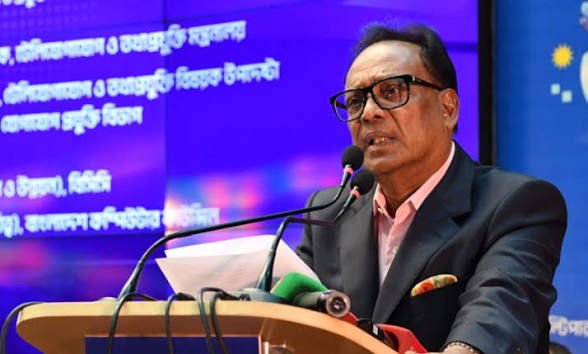
Bangladesh is preparing new regulations that could require battery-powered e-rickshaws and auto-rickshaws to be charged exclusively using solar energy, according to State Minister for Local Government, Rural Development and Cooperatives Mir Shahe Alam.
Officials say the proposed framework would introduce penalties for operators who charge vehicles using non-solar electricity sources and could affect registration eligibility and renewals.
Solar Charging May Become a Requirement
Under the draft rules, e-rickshaw owners seeking registration would need to meet solar-charging requirements. Authorities are considering measures that would deny registration to vehicles that do not comply with the policy.
Officials also indicated that operators found using conventional grid electricity for charging after registration could face difficulties renewing their licenses in the future.
Financial Penalties Under Consideration
The government is reportedly working on provisions that would allow fines to be imposed on operators who violate the proposed charging requirements.
The move is part of a broader effort to encourage renewable energy use and reduce pressure on the national electricity system.
Registration Authority to Shift
A major administrative change is also expected. Instead of being handled by the Bangladesh Road Transport Authority (BRTA), registration responsibilities for e-rickshaws would be transferred to city corporations and municipalities.
Authorities say legislation enabling the change has already been approved, with detailed regulations now being finalized.
Fitness Certification Requirement
The proposed system would require vehicle owners to obtain a fitness certificate from approved engineering institutions or government technical bodies before registration.
Officials are also considering additional verification procedures involving traffic authorities before registration documents are submitted to local government bodies.
Mixed Reactions Expected
The proposal could significantly affect thousands of e-rickshaw operators across Bangladesh. Supporters argue that solar charging would promote cleaner transportation and reduce energy demand, while critics may question implementation costs, solar infrastructure availability, and enforcement challenges.
What Happens Next?
The government is currently drafting the final regulations, including registration fees, renewal conditions, technical requirements, and penalty provisions. Once finalized, the rules could reshape how Bangladesh’s rapidly growing e-rickshaw sector operates.