Dhaka 6:27 pm, Thursday, 22 October 2026

Bangladesh’s Banking Sector Surplus Liquidity Climbs to Tk 4.42 Trillion

Reporter Name
  • Update Time : 10:51:04 am, Thursday, 22 October 2026
  • / 13 Time View

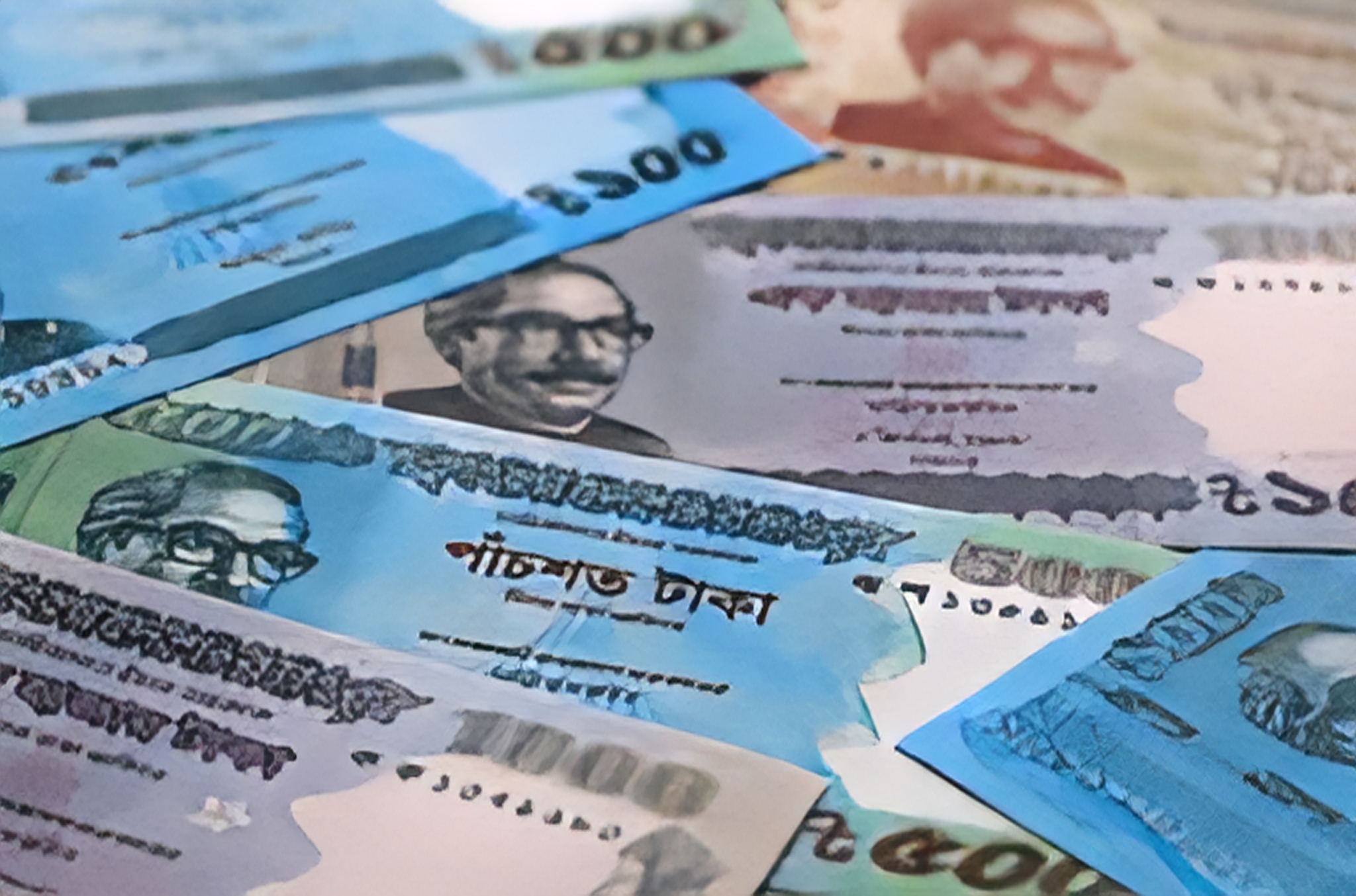
Surplus liquidity in Bangladesh’s banking sector continued to rise amid weak investment demand, reaching nearly Tk 4.42 trillion at the end of August, according to Bangladesh Bank data.


The figure stood at Tk 4.23 trillion at the end of July and Tk 4.15 trillion at the end of June, when surplus liquidity first crossed the Tk 4 trillion threshold. It was Tk 3.27 trillion at the end of December 2025, Tk 2.84 trillion at the end of June 2025, and Tk 1.94 trillion in June 2024.


Banks are increasingly directing a significant portion of their available funds towards government Treasury bills and bonds, which they consider relatively low-risk investments.


Surplus liquidity does not necessarily mean money sitting idle. It refers to funds remaining after banks meet their statutory liquidity requirements. Conventional banks are currently required to maintain a statutory liquidity ratio (SLR) of 13% of total deposits, while Shariah-based banks must maintain 4%. Banks can invest in Treasury bills and bonds within the applicable regulatory framework. Both types of banks must also maintain a cash reserve ratio (CRR) of 4%.


Weak Investment Demand Limits Lending


Bankers attribute the growing liquidity surplus to sluggish private investment, partly driven by gas and electricity shortages. They also say stronger central bank pressure to reduce default loans has made financially sound banks more cautious about extending credit.


As a result, annual private-sector credit growth has fallen to 4.75%, its lowest level on record, according to the report.


With demand for business loans remaining weak, banks have shown greater interest in lending to the government through Treasury bills and bonds. This growing preference has contributed to a decline in yields on government securities, which had remained in double digits for an extended period.


Deposits Return to Selected Banks


Bankers also say public confidence in the banking system has been affected by several banks’ prolonged inability to repay depositors. This encouraged many people to keep cash outside the banking system.


However, some of that money is now returning to banks, although deposits are reportedly concentrated in a handful of institutions. Many customers are choosing banks they consider more reliable, even when those banks offer comparatively lower interest rates, because they expect to be able to withdraw their money when needed.


To protect depositors, Bangladesh Bank recently capped the maximum spread between lending and deposit rates at four percentage points. However, some banks have yet to comply, with discussions reportedly underway with the central bank over changes to their existing calculation methods.


Subsidised Lending Scheme Sees Limited Uptake


Figures also indicate that banks remain reluctant to extend credit even under schemes offering financing at lower interest rates.


In May, Bangladesh Bank announced a Tk 60,000 crore incentive package intended to stimulate business activity through affordable loans. By October 15, only Tk 11,960 crore had been disbursed under the package.


Disbursement has been particularly low under a Tk 20,000 crore fund for closed industrial and service-sector businesses, with only Tk 561 crore released so far.


Meanwhile, no funds had been disbursed from a separate Tk 10,000 crore allocation intended to support rural economic activities, employment for unemployed young people, the transition to greener factories, export diversification, leather goods and footwear exports, and frozen shrimp exports.


The figures highlight a growing imbalance in the banking sector: substantial liquidity is available, but weak investment demand and cautious lending practices are limiting the flow of credit into businesses and productive economic activities.
Tag :

Please Share This Post in Your Social Media

Bangladesh’s Banking Sector Surplus Liquidity Climbs to Tk 4.42 Trillion

Update Time : 10:51:04 am, Thursday, 22 October 2026

Surplus liquidity in Bangladesh’s banking sector continued to rise amid weak investment demand, reaching nearly Tk 4.42 trillion at the end of August, according to Bangladesh Bank data.


The figure stood at Tk 4.23 trillion at the end of July and Tk 4.15 trillion at the end of June, when surplus liquidity first crossed the Tk 4 trillion threshold. It was Tk 3.27 trillion at the end of December 2025, Tk 2.84 trillion at the end of June 2025, and Tk 1.94 trillion in June 2024.


Banks are increasingly directing a significant portion of their available funds towards government Treasury bills and bonds, which they consider relatively low-risk investments.


Surplus liquidity does not necessarily mean money sitting idle. It refers to funds remaining after banks meet their statutory liquidity requirements. Conventional banks are currently required to maintain a statutory liquidity ratio (SLR) of 13% of total deposits, while Shariah-based banks must maintain 4%. Banks can invest in Treasury bills and bonds within the applicable regulatory framework. Both types of banks must also maintain a cash reserve ratio (CRR) of 4%.


Weak Investment Demand Limits Lending


Bankers attribute the growing liquidity surplus to sluggish private investment, partly driven by gas and electricity shortages. They also say stronger central bank pressure to reduce default loans has made financially sound banks more cautious about extending credit.


As a result, annual private-sector credit growth has fallen to 4.75%, its lowest level on record, according to the report.


With demand for business loans remaining weak, banks have shown greater interest in lending to the government through Treasury bills and bonds. This growing preference has contributed to a decline in yields on government securities, which had remained in double digits for an extended period.


Deposits Return to Selected Banks


Bankers also say public confidence in the banking system has been affected by several banks’ prolonged inability to repay depositors. This encouraged many people to keep cash outside the banking system.


However, some of that money is now returning to banks, although deposits are reportedly concentrated in a handful of institutions. Many customers are choosing banks they consider more reliable, even when those banks offer comparatively lower interest rates, because they expect to be able to withdraw their money when needed.


To protect depositors, Bangladesh Bank recently capped the maximum spread between lending and deposit rates at four percentage points. However, some banks have yet to comply, with discussions reportedly underway with the central bank over changes to their existing calculation methods.


Subsidised Lending Scheme Sees Limited Uptake


Figures also indicate that banks remain reluctant to extend credit even under schemes offering financing at lower interest rates.


In May, Bangladesh Bank announced a Tk 60,000 crore incentive package intended to stimulate business activity through affordable loans. By October 15, only Tk 11,960 crore had been disbursed under the package.


Disbursement has been particularly low under a Tk 20,000 crore fund for closed industrial and service-sector businesses, with only Tk 561 crore released so far.


Meanwhile, no funds had been disbursed from a separate Tk 10,000 crore allocation intended to support rural economic activities, employment for unemployed young people, the transition to greener factories, export diversification, leather goods and footwear exports, and frozen shrimp exports.


The figures highlight a growing imbalance in the banking sector: substantial liquidity is available, but weak investment demand and cautious lending practices are limiting the flow of credit into businesses and productive economic activities.