Barishal replaces Rangpur as the highest poverty-stricken division

- Update Time : 10:55:57 am, Thursday, 30 January 2025
- / 665 Time View
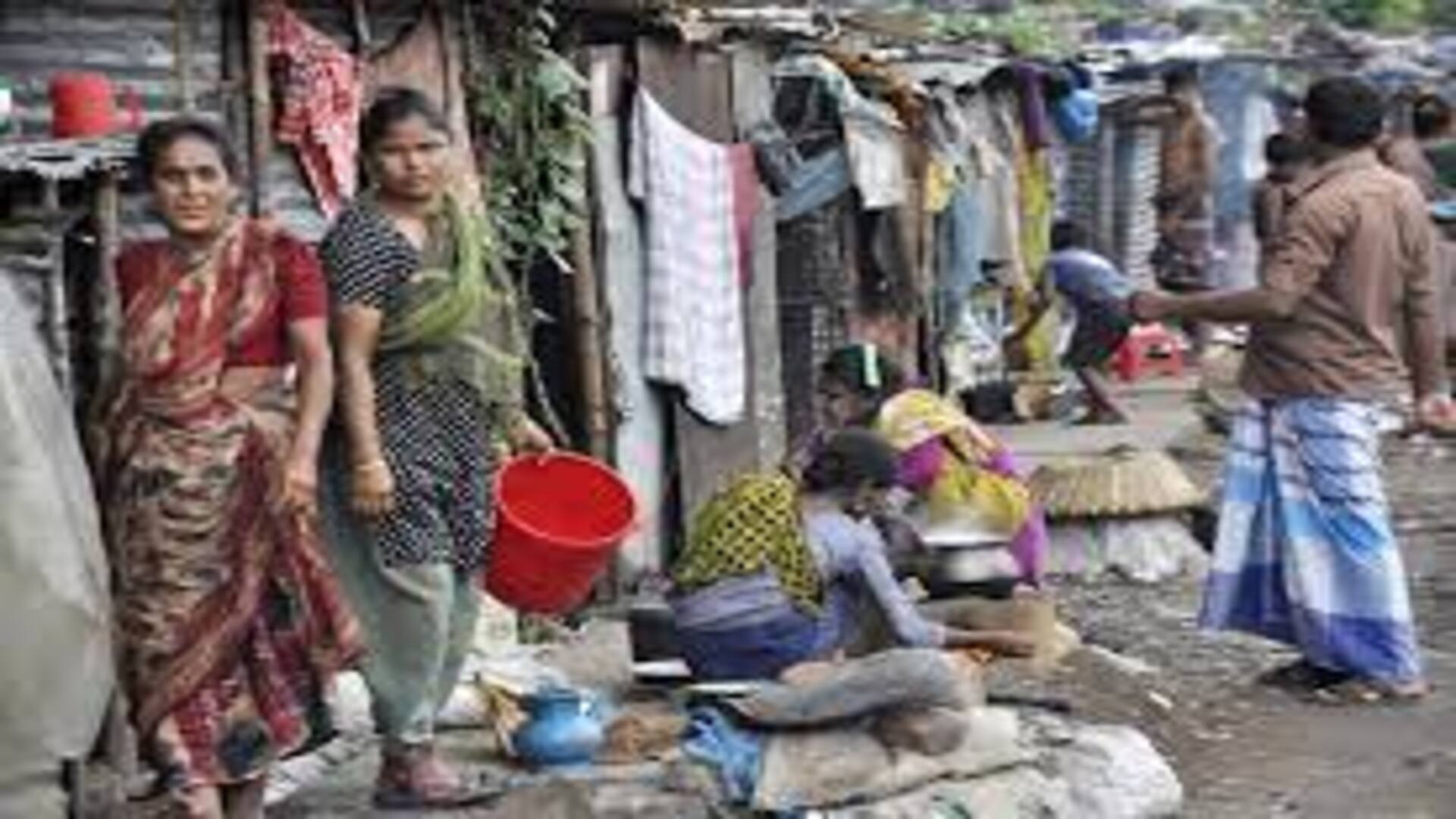

Bangladesh’s poverty landscape has undergone a notable shift, with Barishal now recording the highest poverty rate among all divisions, surpassing Rangpur. In 2016, Rangpur had the highest poverty rate, with 47.23 percent of its population classified as poor, while Barishal ranked fifth in terms of poverty levels. However, over the course of six years, Rangpur made significant progress in reducing poverty, bringing down its rate to 25 percent in 2022. In contrast, Barishal’s poverty rate saw a slight increase, rising from 26.49 percent in 2016 to 26.6 percent in 2022, according to the Poverty Map 2022 published by the Bangladesh Bureau of Statistics (BBS) today.
At the district level, Madaripur has emerged as the most poverty-stricken district in the country, with a staggering 54.4 percent of its population living below the poverty line—nearly three times the national average. On the other end of the spectrum, Noakhali recorded the lowest poverty rate, standing at just 6.1 percent, which is approximately one-third of the national average.
The newly launched poverty map also provides insights at the upazila level. Among all upazilas, Dasar in Madaripur reported the highest poverty rate, with 63.2 percent of its population classified as poor. Meanwhile, Dhaka’s Paltan recorded the lowest poverty rate in the country at just 1 percent. Outside the capital, Double Mooring in Chattogram had the lowest poverty rate, at 1.1 percent.
The updated Poverty Map 2022 was officially launched at the Bangabandhu International Conference Centre in Agargaon. The primary objective of this mapping initiative is to provide a more precise and comprehensive picture of the country’s socioeconomic conditions, enabling policymakers and development agencies to implement targeted poverty reduction programs. The findings highlight both the progress made in some regions and the persistent challenges in others, emphasizing the need for region-specific policies to address disparities and promote economic upliftment across the country.