Dhaka 7:12 pm, Tuesday, 27 October 2026

Dr Zubaida Rahman Urges Sasakawa Peace Foundation to Expand Healthcare Support in Bangladesh

Reporter Name
  • Update Time : 12:27:56 pm, Tuesday, 27 October 2026
  • / 13 Time View

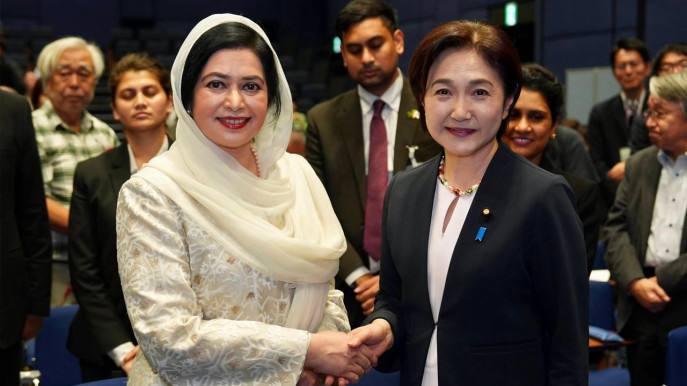
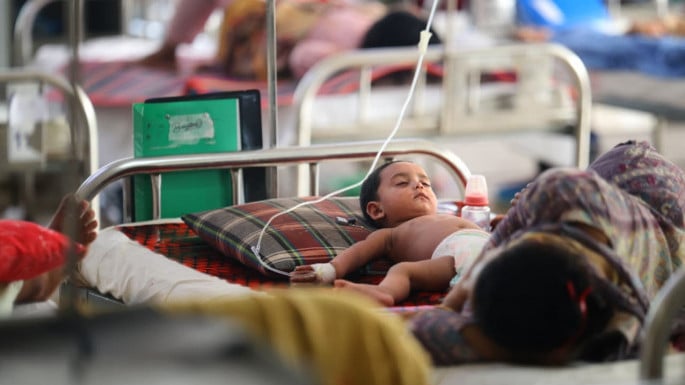
Dr Zubaida Rahman, wife of Bangladesh Prime Minister Tareque Rahman, has called on the Sasakawa Peace Foundation to expand its support for Bangladesh’s healthcare sector, particularly in medical research, maternal and child health, and the development of modern healthcare infrastructure.

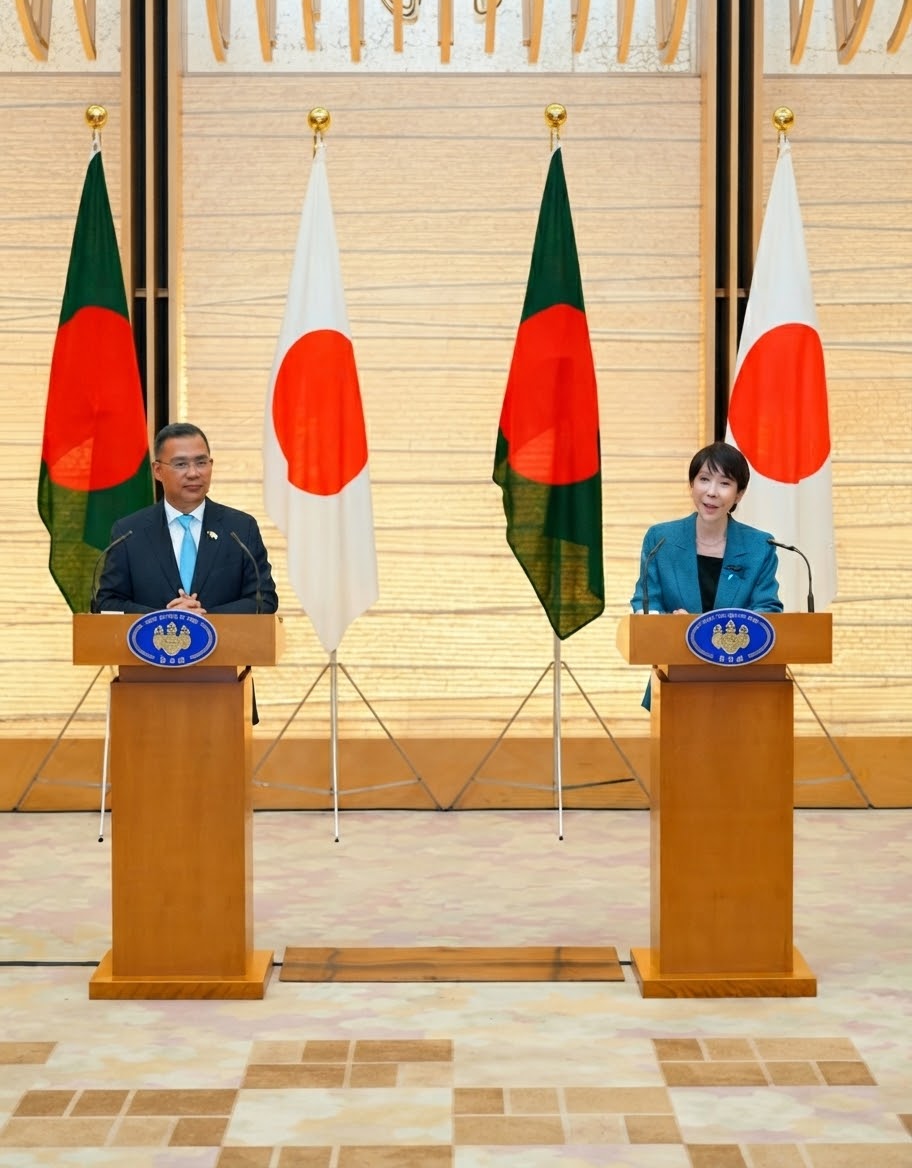
She made the appeal on Tuesday afternoon during a health-focused seminar organised by the Sasakawa Peace Foundation in Tokyo, Japan.

Dr Zubaida said Bangladesh’s government was prioritising healthcare, education and social protection, with initiatives aimed at ensuring affordable healthcare for all, improving the quality of public health services, recruiting additional healthcare workers and expanding access to health and education for disadvantaged communities.

She also highlighted government initiatives to improve living standards through employment-oriented education, greater educational opportunities for underprivileged students, family-based social assistance and the introduction of a “Family Card” programme.

Describing healthcare as an area of both professional and personal interest, Dr Zubaida stressed the importance of safeguarding people’s physical and mental well-being.

As relations between Bangladesh and Japan continue to develop, she said, the two countries could draw on their respective experiences, knowledge and capabilities to address emerging challenges in healthcare and social development.

Emphasising the importance of providing children with a healthy environment in which to grow, she said both countries were committed to ensuring children’s proper development. Achieving that goal, she added, required sustainable social systems, strong economies, quality education and protection from violence and poverty.

Dr Zubaida also highlighted the growing importance of health diplomacy in an increasingly interconnected world, saying international cooperation could play a significant role in achieving universal health coverage.

She underscored the contributions of non-governmental organisations, international institutions, voluntary organisations and philanthropic foundations alongside government initiatives to improve maternal and child health in Bangladesh.

Drawing on her professional experience as a physician in Bangladesh, she said the country had considerable potential to advance health policy implementation, medical research and the development of modern healthcare institutions.

Praising the Sasakawa Peace Foundation for its continued efforts to protect the health of children and vulnerable communities, Dr Zubaida urged the organisation to expand its activities in Bangladesh and provide greater financial and broader support to help address challenges in the healthcare sector.

She assured the foundation that the Bangladesh government was ready to extend its full cooperation and support to initiatives aimed at protecting public health and ensuring sustainable healthcare services over the long term.

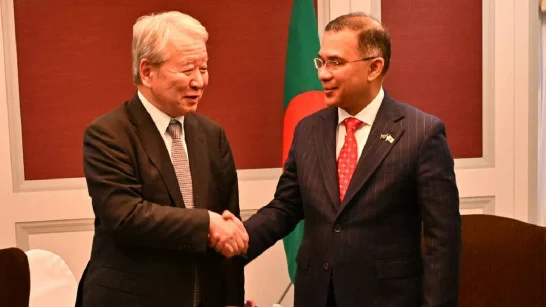
Yohei Sasakawa, honorary chairman of the Nippon Foundation and the Sasakawa Peace Foundation, attended the seminar alongside other prominent figures from Bangladesh and Japan.
Tag :

Please Share This Post in Your Social Media

Dr Zubaida Rahman Urges Sasakawa Peace Foundation to Expand Healthcare Support in Bangladesh

Update Time : 12:27:56 pm, Tuesday, 27 October 2026

Dr Zubaida Rahman, wife of Bangladesh Prime Minister Tareque Rahman, has called on the Sasakawa Peace Foundation to expand its support for Bangladesh’s healthcare sector, particularly in medical research, maternal and child health, and the development of modern healthcare infrastructure.

She made the appeal on Tuesday afternoon during a health-focused seminar organised by the Sasakawa Peace Foundation in Tokyo, Japan.

Dr Zubaida said Bangladesh’s government was prioritising healthcare, education and social protection, with initiatives aimed at ensuring affordable healthcare for all, improving the quality of public health services, recruiting additional healthcare workers and expanding access to health and education for disadvantaged communities.

She also highlighted government initiatives to improve living standards through employment-oriented education, greater educational opportunities for underprivileged students, family-based social assistance and the introduction of a “Family Card” programme.

Describing healthcare as an area of both professional and personal interest, Dr Zubaida stressed the importance of safeguarding people’s physical and mental well-being.

As relations between Bangladesh and Japan continue to develop, she said, the two countries could draw on their respective experiences, knowledge and capabilities to address emerging challenges in healthcare and social development.

Emphasising the importance of providing children with a healthy environment in which to grow, she said both countries were committed to ensuring children’s proper development. Achieving that goal, she added, required sustainable social systems, strong economies, quality education and protection from violence and poverty.

Dr Zubaida also highlighted the growing importance of health diplomacy in an increasingly interconnected world, saying international cooperation could play a significant role in achieving universal health coverage.

She underscored the contributions of non-governmental organisations, international institutions, voluntary organisations and philanthropic foundations alongside government initiatives to improve maternal and child health in Bangladesh.

Drawing on her professional experience as a physician in Bangladesh, she said the country had considerable potential to advance health policy implementation, medical research and the development of modern healthcare institutions.

Praising the Sasakawa Peace Foundation for its continued efforts to protect the health of children and vulnerable communities, Dr Zubaida urged the organisation to expand its activities in Bangladesh and provide greater financial and broader support to help address challenges in the healthcare sector.

She assured the foundation that the Bangladesh government was ready to extend its full cooperation and support to initiatives aimed at protecting public health and ensuring sustainable healthcare services over the long term.

Yohei Sasakawa, honorary chairman of the Nippon Foundation and the Sasakawa Peace Foundation, attended the seminar alongside other prominent figures from Bangladesh and Japan.