Mohammad Ejaz: Championing Environmental Justice Through Rivers, Urban Planning and Public Engagement

- Update Time : 05:05:02 am, Saturday, 17 October 2026
- / 7 Time View
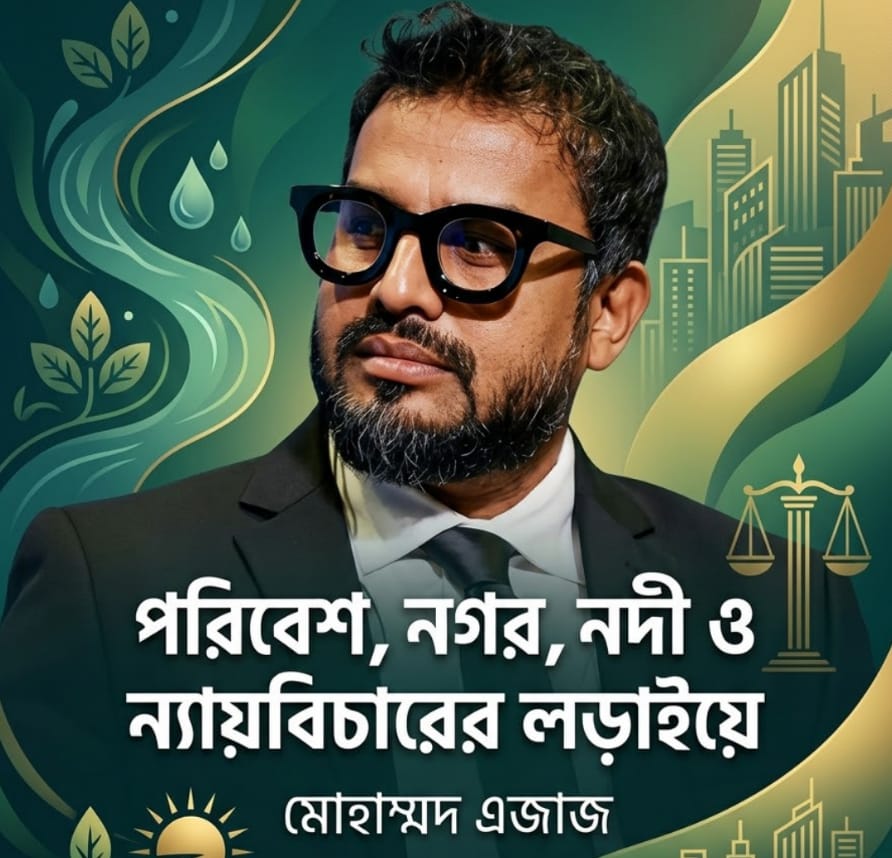

By Kamal Parvez
Through research, policymaking and public engagement, Mohammad Ejaz is working towards a vision of equitable, sustainable and liveable cities in Bangladesh.
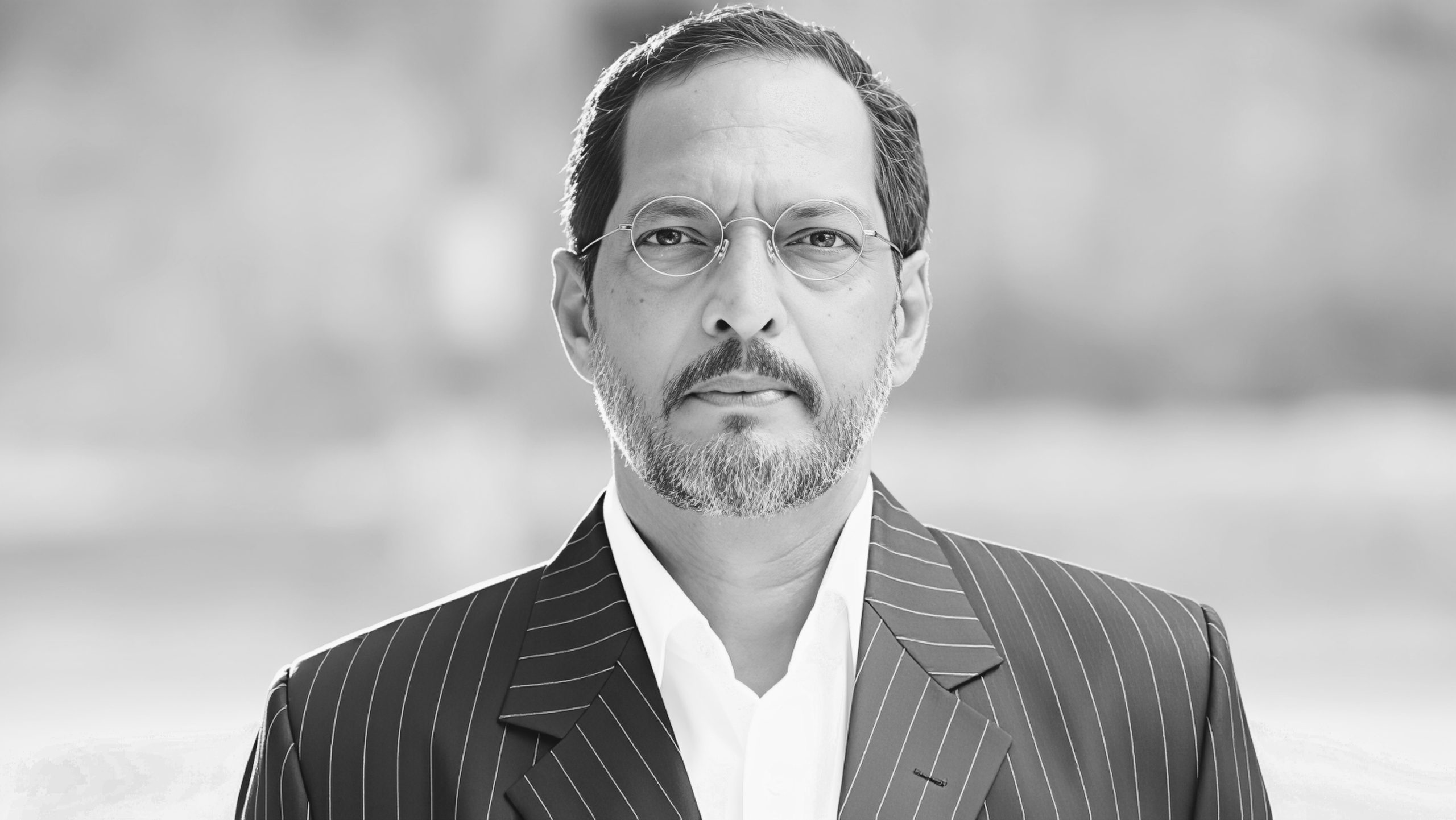
Mohammad Ejaz is a writer, researcher, academic, urban policy analyst and environmental activist whose work focuses on rivers, wetlands, urban governance, transboundary waterways, the military history of the Liberation War and geopolitics. His research has been published in various journals at home and abroad.
For years, he has worked to promote environmental justice and social equity in Bangladesh’s urban and environmental management through research, policy analysis and public engagement.
As the founder of the River and Delta Research Centre (RDRC), Ejaz has led initiatives to restore urban wetlands, promote the equitable distribution of natural resources and address structural inequalities in urban planning. A central principle of his work is to ensure that urban development is aligned with nature, ecological balance and the rights of ordinary citizens.
Education, Research and Professional Journey
A former national athlete and arm wrestler, Ejaz holds an MBA in International Trade and a postgraduate degree in Development Studies. After teaching at the university level for nearly a decade, covering public policy, economics, sustainable development and international trade, he became more actively involved in efforts to advance socioeconomic transformation and environmental justice in Bangladesh.
His research examines the resource management systems established during colonial rule in the Bengal delta and their long-term consequences. Through RDRC’s research, field activities and policy advocacy, he works to identify inequalities in environmental and social systems and promote changes to address them.
Urban Planning and Wetland Restoration
Ejaz has undertaken various research projects and initiatives aimed at transforming Dhaka and Khulna into more equitable cities. Among the notable initiatives are the “People’s Charter”, or fair cities manifesto, “Dhaka Rivers” and the “Baseline Survey of Rivers in Dhaka Division”. These studies have examined urban waterlogging, the deterioration of rivers and water bodies, and broader environmental challenges.
Through the “Canals and Water Bodies of Dhaka City” project, he led efforts to identify, map and document neglected and encroached-upon water bodies across the capital. He has also highlighted the importance of restoring these water bodies to maintain the city’s ecological balance.
His book, Dhaka’s Rivers and Water Bodies, has drawn attention from readers interested in the capital’s rivers and water resources.
As part of an international consortium, Ejaz has been one of the planners of the “Rewet” project, which connects urban wetland restoration with social justice for communities vulnerable to climate risks. The initiative seeks to develop a practical model of ecological restoration that goes beyond beautification by integrating agriculture, biodiversity conservation and local community participation in the management of wetlands and surrounding land.
As part of this initiative, he has been working with residents of Korail and other local communities on the restoration of Gulshan-Banani Lake in Dhaka. The effort aims to promote an approach to urban management that integrates living ecosystems, nature and agriculture while drawing on the experience and knowledge of local residents.
The Liberation War and the Strategic Role of Rivers
Another significant area of Ejaz’s research is the military history of Bangladesh’s Liberation War.
His research into the strategic and defensive roles of rivers during the 1971 Liberation War was exhibited at the Liberation War Museum in 2022. Titled “Rivers in the Liberation War”, the research explored the relationship between military operations and the river-dependent geography of the country.
His research-based book, A Military Analysis of Naval Operations in the 1971 Liberation War, examines naval campaigns, military strategies and geographical realities during the war.
He is currently leading research for a historical project titled “From Barracks to Battlefield”, which seeks to document the roles, leadership, contributions and military strategies of members of the armed forces during the Liberation War.
River Conservation and the Rights of Marginalised Communities
Through the “Riverine Urbanism” initiative, Ejaz works on issues involving urban rivers, industrial pollution and the livelihoods of river-dependent communities. His research and evidence-based reports have examined the socioeconomic realities of fishing communities along the Turag River, the effects of industrial pollution and the risks of displacement faced by residents.
He views rivers not merely as natural resources but also as spaces central to local livelihoods and community rights. His work to protect the rights and promote the social inclusion of communities in 70 fishing villages along the Turag, alongside efforts to combat river pollution, reflects this approach.
Ejaz previously served as director of the civic organisation “Riverine People”. He has also contributed to strengthening grassroots organisations, networks and institutional capacity for river and environmental conservation across the Bengal delta. He was involved in initiatives to establish youth-led River Conservation Clubs at universities.
His work also extends to transboundary rivers. As founder and vice-president of the GBM Basin Peoples Network, he works to strengthen strategic communication, training and knowledge-sharing among different organisations.
His Bengali research-based book, The Politics of Water Treaties, explores water-sharing agreements and the politics surrounding transboundary rivers, offering readers an in-depth perspective on the subject.
Research into River Pollution and Deforestation
Ejaz is also active in bringing issues such as river pollution, illegal sand extraction and tree felling into public debate through research and policy advocacy.
The “River File” reports published under his leadership have documented pollution in rivers across Bangladesh and examined illegal sand extraction. In addition to the Buriganga and Turag, the reports have highlighted pollution in the Haridhoa River in Narsingdi, the Sutang River in Habiganj and the Labandaha River in Gazipur.
For the past four years, he has also led the publication of an annual report titled “Logging of Trees”, which seeks to document tree felling associated with government and private-sector projects across the country.
These research initiatives aim to raise public awareness and strengthen the case for policy changes to protect rivers, forests and the wider environment.
Engaging Young People in the Movement for Fair Cities
Through the “Just Urban” platform, Ejaz initiated efforts to develop a fair cities manifesto with the participation of several thousand people. The initiative prioritises social equity in urbanisation, climate resilience and democratic participation in city governance.
He also serves as founder and adviser of “Youth for Fair Cities”, an urban advocacy platform comprising 25 youth-led organisations. The platform conducts public engagement and advocacy initiatives on urban challenges, climate change and city policies.
Ejaz is also the editor of Obobahika, a Bengali journal dedicated to river research.
In addition, he hosts “Dialogue with Mohammad Ejaz”, a programme featuring international experts, researchers, policymakers and religious thinkers in discussions on urban development, the environment and the future of the Global South.
Alongside research and professional development, he places importance on nurturing a new generation of researchers and thinkers.
Urban Governance and a Vision for the Future
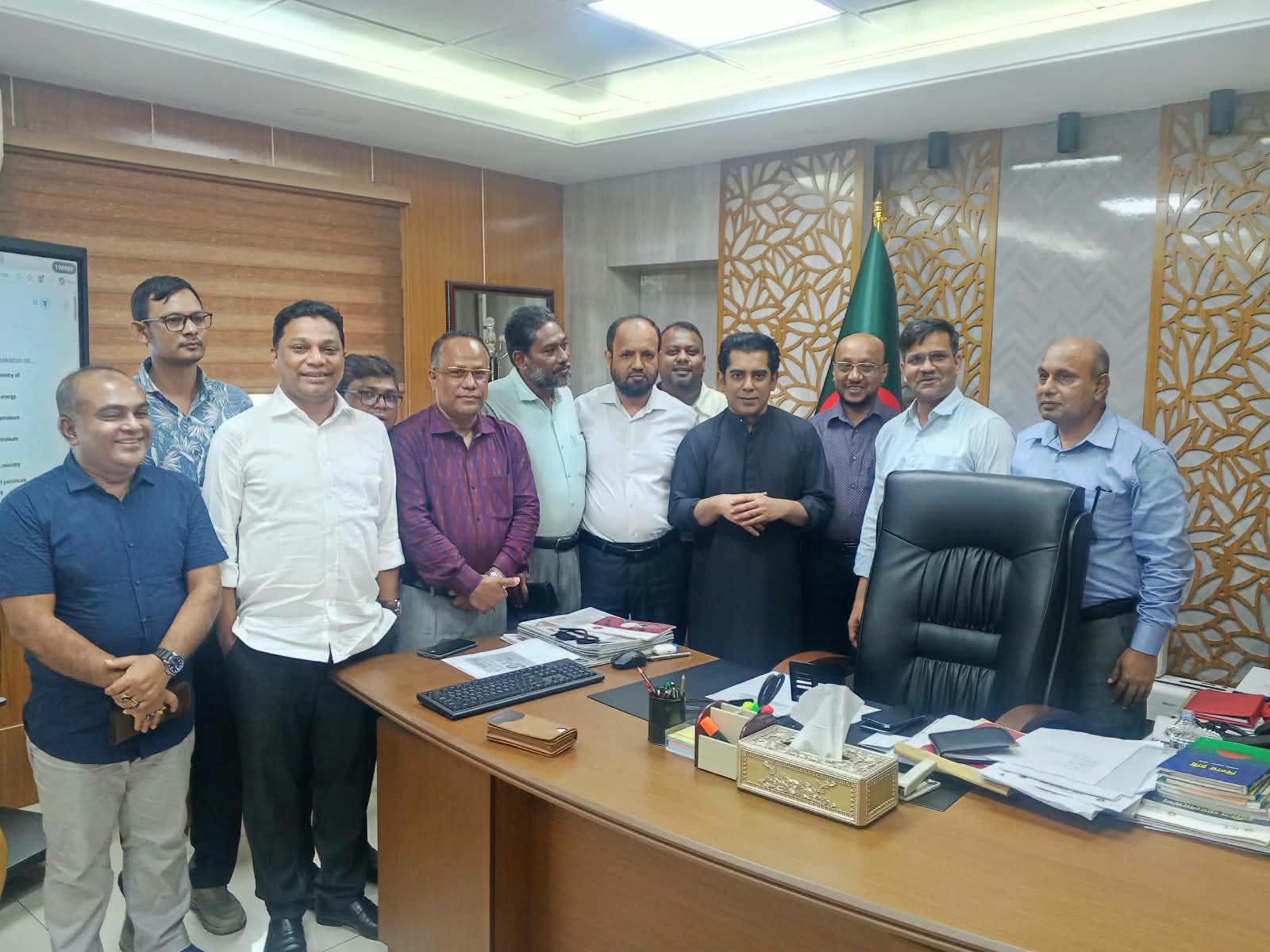
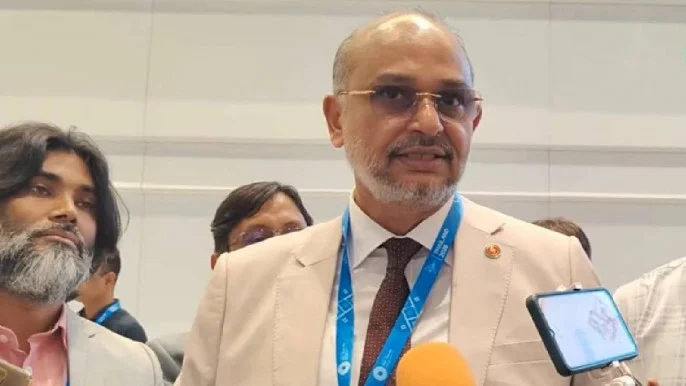
During his tenure as administrator of Dhaka North City Corporation, Ejaz promoted a vision of a city that is environmentally resilient, culturally pluralistic and socially equitable.
He participated in mayoral conferences across Asia and Europe as a Dhaka city administrator and urban expert, highlighting the role of urban governance in reducing inequality, protecting the environment, improving public health and alleviating poverty.
At the heart of his urban vision is the integration of development with nature, stronger participatory governance and the provision of clean water, adequate green public spaces and dignified living conditions for citizens.
By bringing together research on rivers, wetlands, the environment, the history of the Liberation War and urban policy, Ejaz’s work draws attention to a fundamental question: who benefits from development, and whose rights to natural resources are protected?
Through research, policy advocacy and public engagement, his work seeks to contribute to building a more equitable, environmentally sustainable and liveable Bangladesh.