Dhaka 3:00 pm, Monday, 26 October 2026

Cyclone Arnab Forms Over Bay of Bengal, May Intensify Into Severe Storm by Midnight

Reporter Name
  • Update Time : 07:21:50 am, Monday, 26 October 2026
  • / 16 Time View

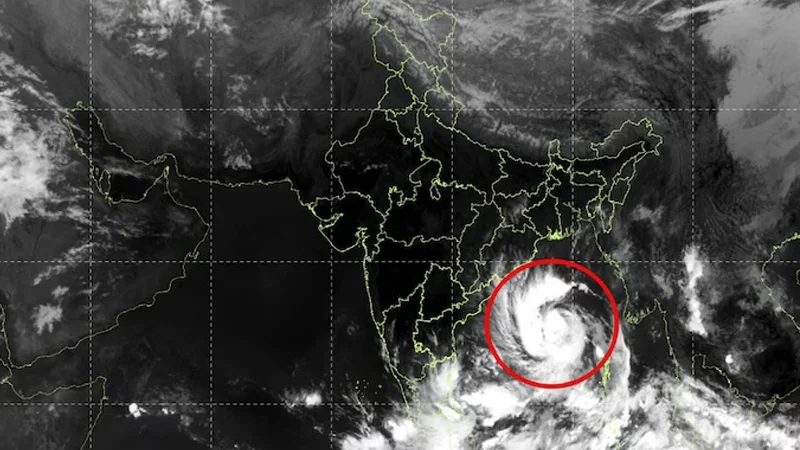
A deep depression over the Bay of Bengal has intensified into Cyclone Arnab, with forecasters warning that it could strengthen into a severe cyclonic storm by midnight on Monday.

According to the Bangladesh Meteorological Department’s sixth special weather bulletin issued on Monday, the cyclone is currently positioned over the east-central Bay of Bengal and adjoining areas.

At 6 am on Monday, the system was located approximately 820 kilometres southwest of Chattogram Port, 745 kilometres southwest of Cox’s Bazar Port, 785 kilometres south of Mongla Port and 745 kilometres south of Payra Port.

The cyclone is moving west-northwestward and may intensify into a severe cyclonic storm over the west-central Bay of Bengal by midnight. It is subsequently expected to move northwestward and could strengthen into a very severe cyclonic storm before crossing India’s Andhra Pradesh coast on Wednesday.

Wind Speeds Reach 88kmph in Gusts

The Meteorological Department reported that sustained winds near the cyclone’s centre were reaching a maximum speed of 62 kilometres per hour, with gusts increasing to 88 kilometres per hour.

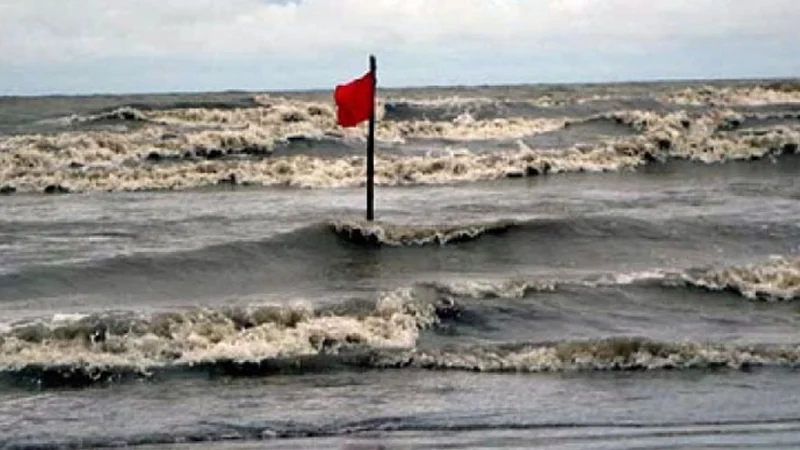
Sea conditions in the vicinity of the cyclone’s centre have become very rough.

In response to the system’s intensification, authorities have upgraded the warning for Chattogram, Cox’s Bazar, Mongla and Payra seaports from distant warning signal No. 1 to distant warning signal No. 2.

Fishing boats and trawlers operating in the northern Bay of Bengal have been instructed to remain close to the coast and navigate cautiously until further notice.

Bangladesh’s Direct Cyclone Risk Considered Low

Meteorologist A.K.M. Nazmul Haque said the likelihood of Cyclone Arnab moving directly towards Bangladesh was very low, with India’s Andhra Pradesh coast considered the more likely destination.

However, he cautioned that the possibility of impacts on Bangladesh could not be completely ruled out.

Why Is the Cyclone Named Arnab?

Cyclones developing over the Bay of Bengal and the Arabian Sea are named using lists submitted by 13 countries in the region: Bangladesh, India, Iran, the Maldives, Myanmar, Oman, Pakistan, Qatar, Saudi Arabia, Sri Lanka, Thailand, the United Arab Emirates and Yemen.

The countries are members of the regional panel of the World Meteorological Organization, and cyclone names are assigned in sequence from their proposed lists.

Arnab was proposed by Bangladesh and means “ocean.” The name was next in the regional naming sequence and was assigned to the first of two active low-pressure systems over the Bay of Bengal and Arabian Sea to develop into a cyclone.

The next name on the list is Murasu, proposed by India. In Tamil, the word refers to a traditional drum.

Cyclone naming helps authorities communicate forecasts and warnings clearly, particularly when multiple storms are active in the region.

Tag :

Please Share This Post in Your Social Media

Cyclone Arnab Forms Over Bay of Bengal, May Intensify Into Severe Storm by Midnight

Update Time : 07:21:50 am, Monday, 26 October 2026

A deep depression over the Bay of Bengal has intensified into Cyclone Arnab, with forecasters warning that it could strengthen into a severe cyclonic storm by midnight on Monday.

According to the Bangladesh Meteorological Department’s sixth special weather bulletin issued on Monday, the cyclone is currently positioned over the east-central Bay of Bengal and adjoining areas.

At 6 am on Monday, the system was located approximately 820 kilometres southwest of Chattogram Port, 745 kilometres southwest of Cox’s Bazar Port, 785 kilometres south of Mongla Port and 745 kilometres south of Payra Port.

The cyclone is moving west-northwestward and may intensify into a severe cyclonic storm over the west-central Bay of Bengal by midnight. It is subsequently expected to move northwestward and could strengthen into a very severe cyclonic storm before crossing India’s Andhra Pradesh coast on Wednesday.

Wind Speeds Reach 88kmph in Gusts

The Meteorological Department reported that sustained winds near the cyclone’s centre were reaching a maximum speed of 62 kilometres per hour, with gusts increasing to 88 kilometres per hour.

Sea conditions in the vicinity of the cyclone’s centre have become very rough.

In response to the system’s intensification, authorities have upgraded the warning for Chattogram, Cox’s Bazar, Mongla and Payra seaports from distant warning signal No. 1 to distant warning signal No. 2.

Fishing boats and trawlers operating in the northern Bay of Bengal have been instructed to remain close to the coast and navigate cautiously until further notice.

Bangladesh’s Direct Cyclone Risk Considered Low

Meteorologist A.K.M. Nazmul Haque said the likelihood of Cyclone Arnab moving directly towards Bangladesh was very low, with India’s Andhra Pradesh coast considered the more likely destination.

However, he cautioned that the possibility of impacts on Bangladesh could not be completely ruled out.

Why Is the Cyclone Named Arnab?

Cyclones developing over the Bay of Bengal and the Arabian Sea are named using lists submitted by 13 countries in the region: Bangladesh, India, Iran, the Maldives, Myanmar, Oman, Pakistan, Qatar, Saudi Arabia, Sri Lanka, Thailand, the United Arab Emirates and Yemen.

The countries are members of the regional panel of the World Meteorological Organization, and cyclone names are assigned in sequence from their proposed lists.

Arnab was proposed by Bangladesh and means “ocean.” The name was next in the regional naming sequence and was assigned to the first of two active low-pressure systems over the Bay of Bengal and Arabian Sea to develop into a cyclone.

The next name on the list is Murasu, proposed by India. In Tamil, the word refers to a traditional drum.

Cyclone naming helps authorities communicate forecasts and warnings clearly, particularly when multiple storms are active in the region.