Dhaka 11:51 pm, Monday, 26 October 2026

BNP Believes in Press Freedom, Says Ruhul Kabir Rizvi

Reporter Name
  • Update Time : 10:22:23 am, Monday, 26 October 2026
  • / 26 Time View

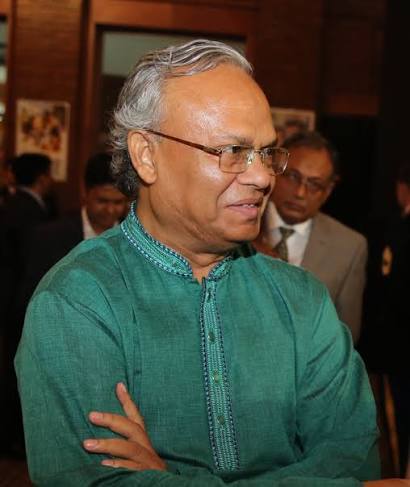
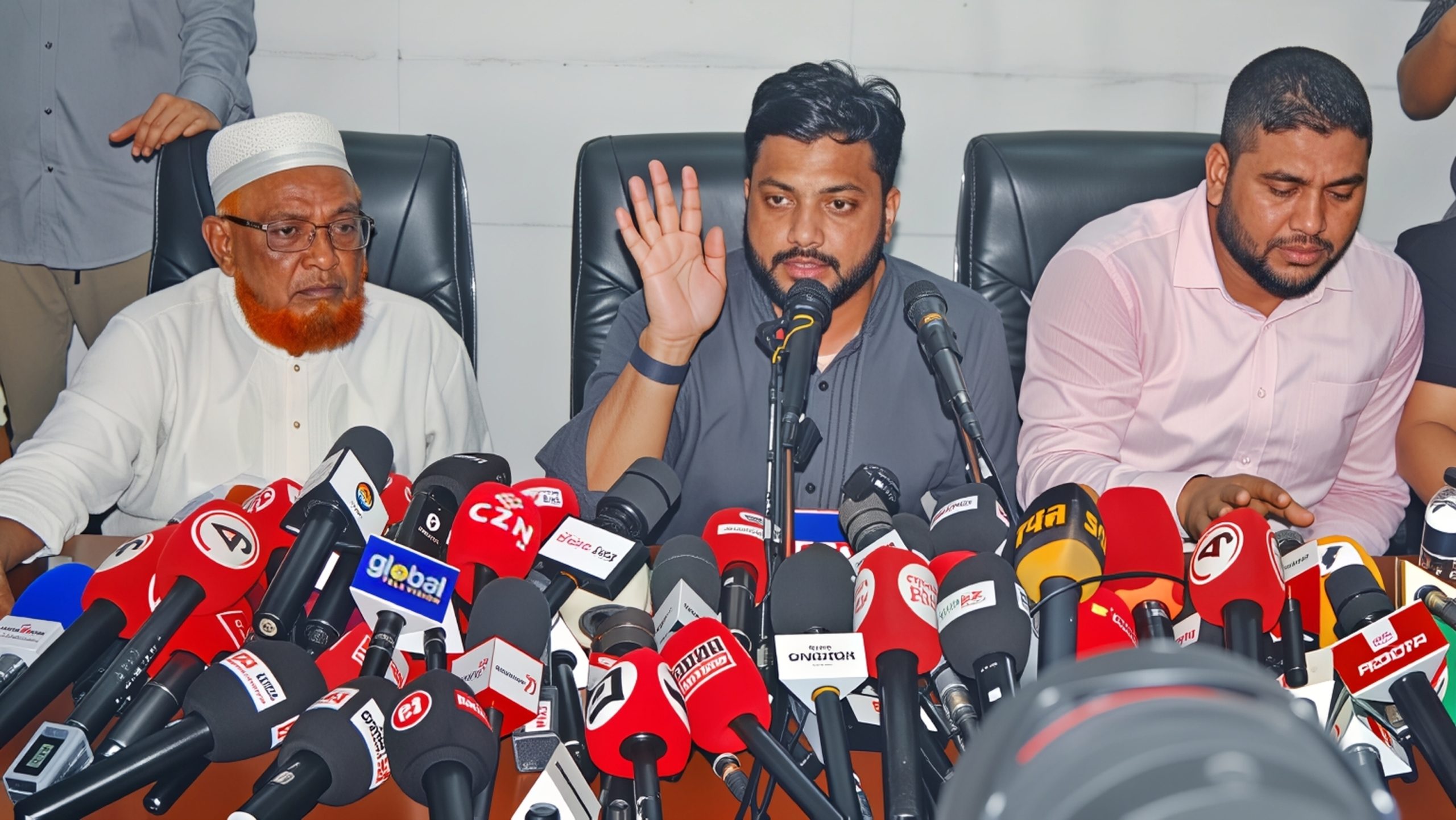
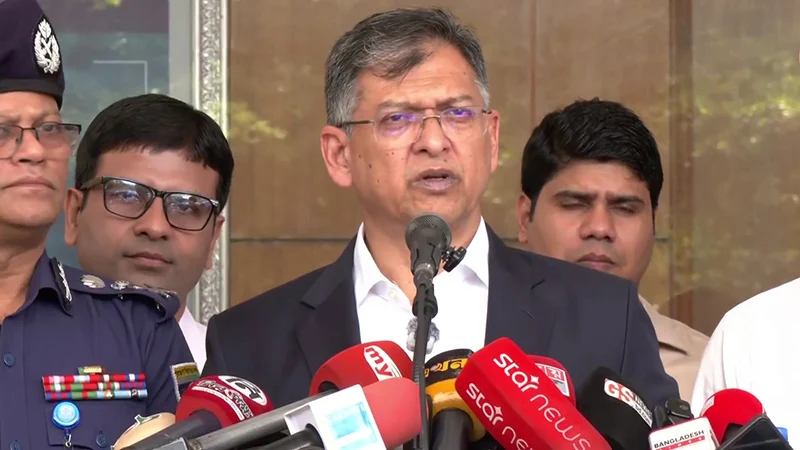
Bangladesh Nationalist Party (BNP) Acting Secretary General Ruhul Kabir Rizvi Ahmed has said his party believes in press freedom, while urging journalists to exercise caution when publishing reports that could damage the country’s image.

Rizvi made the remarks on Monday while addressing a memorial meeting for renowned journalist Gias Kamal Chowdhury, a former Voice of America newsreader and recipient of the Ekushey Padak, at the Jatiya Press Club in Dhaka.

The event was held at the club’s Zahur Hossain Chowdhury Hall and organised by the Bangladesh National Journalists Association.

Describing Chowdhury as a man of exceptional character, Rizvi said the courage and integrity demonstrated by journalists like him had prevented authoritarian forces from establishing permanent control over the country. He also highlighted the strong reputation Bangladeshis have earned while working abroad as migrant labourers.

Gias Kamal Chowdhury Remembered as a Journalist of the People

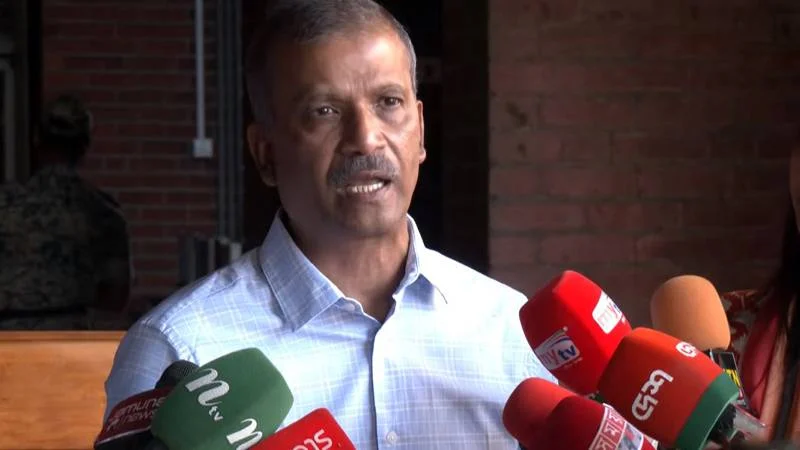
Abdul Hai Sikder, chairman of Bangladesh Sangbad Sangstha (BSS) and editor of the daily Jugantor, said remembering a distinguished patriot like Chowdhury meant associating oneself with good deeds.

He lamented that society often fails to honour people who have made meaningful contributions, while individuals he described as genuine villains are sometimes portrayed as heroes.

Recalling Chowdhury’s personality, Sikder paraphrased a line from poet Jibanananda Das to express the belief that although other talented journalists would emerge, finding someone with Chowdhury’s distinctive character again might be difficult.

Sikder also recalled the contributions of journalists Anwar Zahid, Ahmed Humayun, Enayetullah Khan, Akram Khan and Abul Kalam Shamsuddin, describing them as intellectual journalists. Chowdhury, however, was a journalist deeply connected to ordinary people, he said.

According to Sikder, Chowdhury’s concern for the public and the country was exceptional, and he often displayed qualities reminiscent of Maulana Abdul Hamid Khan Bhashani.

Quiet Acts of Kindness

Sikder recounted several incidents illustrating Chowdhury’s compassion for disadvantaged people.

After an iftar gathering at the Press Club, Chowdhury would collect leftover fruit and distribute it among street vendors and beggars along the route from the club to Paltan. Although some people initially misunderstood his actions, Sikder said, they later learned about his charitable intentions.

Chowdhury also helped people facing everyday difficulties, sometimes paying for their rickshaw fares and meals out of his own pocket.

Sikder recalled another incident in which Chowdhury stopped his car to protest after seeing a man striking the newly opened Jamuna Bridge with a hammer. The incident occurred about 15 days after the bridge began operating, while Chowdhury was travelling to a seminar in Rajshahi.

The episode, Sikder said, reflected Chowdhury’s vigilance against even minor damage to national infrastructure.

He also described an occasion when Chowdhury’s vehicle became stuck in the mud of the Chalan Beel wetlands. Chowdhury approached agricultural labourers to ask about their welfare. Recognising the familiar voice of the Voice of America broadcaster, the workers lined up to pay their respects to him, Sikder recalled.

Loyalty to Principles

Sikder also spoke about Chowdhury’s unwavering confidence in former prime minister Khaleda Zia.

According to Sikder, Chowdhury received a show-cause notice from Voice of America after taking responsibility for submitting Khaleda Zia’s nomination papers in Feni during the 1991 election. Sikder said Chowdhury remained committed to his political convictions even after leaving his job.

He added that Chowdhury never hesitated to speak the truth directly and described him as a rare journalist guided by principle, justice and patriotism.

The memorial meeting was chaired by Professor Dr Abdul Latif Masum, former vice-chancellor of Patuakhali Science and Technology University. Other speakers included Dhaka University Vice-Chancellor Professor Dr Anwar Ullah Chowdhury and Bangladesh National Journalists Association Secretary General Mohammad Sheikh Sadi, among others.
Tag :

Please Share This Post in Your Social Media

BNP Believes in Press Freedom, Says Ruhul Kabir Rizvi

Update Time : 10:22:23 am, Monday, 26 October 2026

Bangladesh Nationalist Party (BNP) Acting Secretary General Ruhul Kabir Rizvi Ahmed has said his party believes in press freedom, while urging journalists to exercise caution when publishing reports that could damage the country’s image.

Rizvi made the remarks on Monday while addressing a memorial meeting for renowned journalist Gias Kamal Chowdhury, a former Voice of America newsreader and recipient of the Ekushey Padak, at the Jatiya Press Club in Dhaka.

The event was held at the club’s Zahur Hossain Chowdhury Hall and organised by the Bangladesh National Journalists Association.

Describing Chowdhury as a man of exceptional character, Rizvi said the courage and integrity demonstrated by journalists like him had prevented authoritarian forces from establishing permanent control over the country. He also highlighted the strong reputation Bangladeshis have earned while working abroad as migrant labourers.

Gias Kamal Chowdhury Remembered as a Journalist of the People

Abdul Hai Sikder, chairman of Bangladesh Sangbad Sangstha (BSS) and editor of the daily Jugantor, said remembering a distinguished patriot like Chowdhury meant associating oneself with good deeds.

He lamented that society often fails to honour people who have made meaningful contributions, while individuals he described as genuine villains are sometimes portrayed as heroes.

Recalling Chowdhury’s personality, Sikder paraphrased a line from poet Jibanananda Das to express the belief that although other talented journalists would emerge, finding someone with Chowdhury’s distinctive character again might be difficult.

Sikder also recalled the contributions of journalists Anwar Zahid, Ahmed Humayun, Enayetullah Khan, Akram Khan and Abul Kalam Shamsuddin, describing them as intellectual journalists. Chowdhury, however, was a journalist deeply connected to ordinary people, he said.

According to Sikder, Chowdhury’s concern for the public and the country was exceptional, and he often displayed qualities reminiscent of Maulana Abdul Hamid Khan Bhashani.

Quiet Acts of Kindness

Sikder recounted several incidents illustrating Chowdhury’s compassion for disadvantaged people.

After an iftar gathering at the Press Club, Chowdhury would collect leftover fruit and distribute it among street vendors and beggars along the route from the club to Paltan. Although some people initially misunderstood his actions, Sikder said, they later learned about his charitable intentions.

Chowdhury also helped people facing everyday difficulties, sometimes paying for their rickshaw fares and meals out of his own pocket.

Sikder recalled another incident in which Chowdhury stopped his car to protest after seeing a man striking the newly opened Jamuna Bridge with a hammer. The incident occurred about 15 days after the bridge began operating, while Chowdhury was travelling to a seminar in Rajshahi.

The episode, Sikder said, reflected Chowdhury’s vigilance against even minor damage to national infrastructure.

He also described an occasion when Chowdhury’s vehicle became stuck in the mud of the Chalan Beel wetlands. Chowdhury approached agricultural labourers to ask about their welfare. Recognising the familiar voice of the Voice of America broadcaster, the workers lined up to pay their respects to him, Sikder recalled.

Loyalty to Principles

Sikder also spoke about Chowdhury’s unwavering confidence in former prime minister Khaleda Zia.

According to Sikder, Chowdhury received a show-cause notice from Voice of America after taking responsibility for submitting Khaleda Zia’s nomination papers in Feni during the 1991 election. Sikder said Chowdhury remained committed to his political convictions even after leaving his job.

He added that Chowdhury never hesitated to speak the truth directly and described him as a rare journalist guided by principle, justice and patriotism.

The memorial meeting was chaired by Professor Dr Abdul Latif Masum, former vice-chancellor of Patuakhali Science and Technology University. Other speakers included Dhaka University Vice-Chancellor Professor Dr Anwar Ullah Chowdhury and Bangladesh National Journalists Association Secretary General Mohammad Sheikh Sadi, among others.