Dhaka 11:05 pm, Monday, 26 October 2026

Chattogram Customs Revenue from Misdeclared Imports Surges 83.6% in First Quarter

Reporter Name
  • Update Time : 12:02:25 pm, Monday, 26 October 2026
  • / 16 Time View

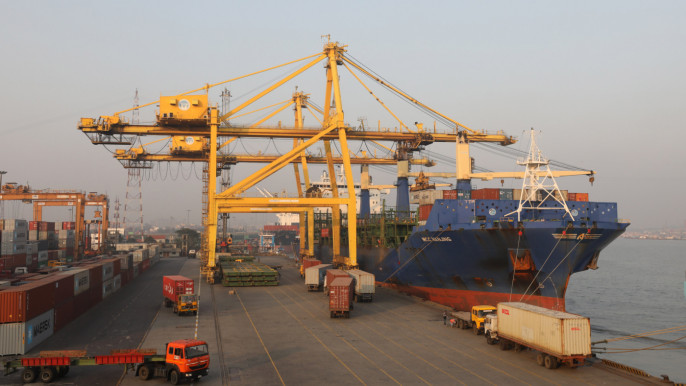
Chattogram Customs House seized 467 import consignments suspected of misdeclaration during the first quarter of the 2026–27 fiscal year, as tighter monitoring at Bangladesh’s principal seaport drove a sharp increase in revenue and penalty collections.

Customs authorities filed 270 cases over the suspected irregularities, collecting Tk 582 million in revenue and fines.

According to customs data, the number of consignments seized by the Audit, Investigation and Research (AIR) branch increased by 29.4 per cent compared with the same period of the previous fiscal year, when 361 consignments were seized. Revenue and penalty collections rose by 83.6 per cent, from Tk 317 million to Tk 582 million.

Two cases detected in September illustrate how importers allegedly attempted to evade duties by misrepresenting the nature and quantity of imported goods.

Undeclared Goods Found in Generator Shipment

In one case, Cowboy Foods Company Limited imported a shipment from China declared as generator sets and spare parts. A physical inspection, however, uncovered 13,335 kilograms of undeclared goods, including solar streetlights, inverters, portable power stations, food additives, tea sets and lithium-ion battery modules.

The shipment had an assessable value of Tk 13.3 million, with potential revenue losses estimated at Tk 4.343 million.

Customs authorities imposed a Tk 5 million fine and a Tk 500,000 redemption fine. The goods were permitted to be released subject to payment of applicable duties and taxes and compliance with import regulations.

Excess Seamless Pipes Discovered

In another case, Rangpur Metal Industries Limited declared an import of 264,203 kilograms of seamless pipes from China. Following an inspection, customs officials found an additional 72,500 kilograms—27.4 per cent more than the declared quantity.

The potential revenue loss in this case was estimated at Tk 11.4 million. Authorities imposed a Tk 12 million fine and a Tk 1.5 million redemption fine.

Excluding the fines and redemption charges, the estimated potential revenue loss in the two cases amounted to approximately Tk 15.7 million.

Kazi Mahmud Imam, a former general secretary of the Chattogram Customs Agents Association, described the intensified enforcement as unprecedented.

“In my 40-year professional career in customs, I have never seen such a large number of cases filed over false declarations,” he told The Business Standard (TBS).

Crediting the National Board of Revenue (NBR) for appointing qualified officials to key positions, Imam said sustained enforcement could discourage misdeclaration and increase revenue collection further.

Revenue Collections Climb Sharply

Data from the AIR branch show a substantial increase in customs enforcement over the past three fiscal years.

During the first quarter of fiscal year 2024–25, customs authorities seized 167 consignments and filed 228 cases, collecting Tk 274.4 million in revenue and fines.

In the corresponding quarter of fiscal year 2025–26, 361 consignments were seized and 199 cases filed. Collections increased to Tk 317 million.

In the first quarter of the current 2026–27 fiscal year, the number of seized consignments rose to 467, while the number of cases reached 270. Revenue and fines collected climbed to Tk 582 million.

Across the whole of fiscal year 2025–26, the AIR branch seized 1,451 consignments and filed 843 cases. It collected Tk 520.8 million in revenue and Tk 596.3 million in fines, bringing total collections to Tk 1.1172 billion.

The figures indicate increased detection and enforcement activity. However, they do not, by themselves, establish the overall prevalence of misdeclaration across all imports.

Businesses Call for Targeted Enforcement

Business leaders have urged customs authorities to take tougher action against importers who deliberately submit false declarations. They have also cautioned against excessive inspections that could disrupt legitimate trade.

Nasir Uddin Chowdhury, a former vice-president of the Bangladesh Garment Manufacturers and Exporters Association (BGMEA), said organised networks sometimes use the names of established businesses to carry out irregular imports. When violations are detected, the reputations of legitimate companies can suffer, he added.

Chowdhury called for stronger monitoring and exemplary punishment rather than relying solely on financial penalties.

However, he warned that indiscriminately inspecting every import shipment could delay cargo clearance, disrupt export operations and create difficulties for businesses that comply with the rules.

Misdeclaration commonly involves incorrect tariff classification, understating the quantity or value of goods, or concealing higher-duty products behind declarations for goods subject to lower duties.

Customs officials have recently identified several suspected irregularities, including machinery and luxury vehicles declared as scrap, cosmetics imported under declarations for modelling clay, mobile phones concealed among other goods, and fabric imported under incorrect descriptions.

Customs Steps Up Monitoring

Sharif Al Amin, assistant commissioner and spokesperson for Chattogram Customs, told TBS that the department was strengthening digital monitoring and coordination with other agencies. Authorities are also planning to integrate services under the National Single Window initiative.

He said recent incidents had prompted customs officials to exercise greater vigilance and that monitoring would be intensified to ensure compliance with existing laws and regulations.

Officials and business representatives said sustained enforcement would require risk-based inspections, allowing authorities to focus on suspicious shipments while avoiding unnecessary delays in clearing legitimate cargo.

They stressed that consistent action against offenders, combined with targeted scrutiny, would be essential to making the crackdown effective and sustainable.


Tag :

Please Share This Post in Your Social Media

Chattogram Customs Revenue from Misdeclared Imports Surges 83.6% in First Quarter

Update Time : 12:02:25 pm, Monday, 26 October 2026

Chattogram Customs House seized 467 import consignments suspected of misdeclaration during the first quarter of the 2026–27 fiscal year, as tighter monitoring at Bangladesh’s principal seaport drove a sharp increase in revenue and penalty collections.

Customs authorities filed 270 cases over the suspected irregularities, collecting Tk 582 million in revenue and fines.

According to customs data, the number of consignments seized by the Audit, Investigation and Research (AIR) branch increased by 29.4 per cent compared with the same period of the previous fiscal year, when 361 consignments were seized. Revenue and penalty collections rose by 83.6 per cent, from Tk 317 million to Tk 582 million.

Two cases detected in September illustrate how importers allegedly attempted to evade duties by misrepresenting the nature and quantity of imported goods.

Undeclared Goods Found in Generator Shipment

In one case, Cowboy Foods Company Limited imported a shipment from China declared as generator sets and spare parts. A physical inspection, however, uncovered 13,335 kilograms of undeclared goods, including solar streetlights, inverters, portable power stations, food additives, tea sets and lithium-ion battery modules.

The shipment had an assessable value of Tk 13.3 million, with potential revenue losses estimated at Tk 4.343 million.

Customs authorities imposed a Tk 5 million fine and a Tk 500,000 redemption fine. The goods were permitted to be released subject to payment of applicable duties and taxes and compliance with import regulations.

Excess Seamless Pipes Discovered

In another case, Rangpur Metal Industries Limited declared an import of 264,203 kilograms of seamless pipes from China. Following an inspection, customs officials found an additional 72,500 kilograms—27.4 per cent more than the declared quantity.

The potential revenue loss in this case was estimated at Tk 11.4 million. Authorities imposed a Tk 12 million fine and a Tk 1.5 million redemption fine.

Excluding the fines and redemption charges, the estimated potential revenue loss in the two cases amounted to approximately Tk 15.7 million.

Kazi Mahmud Imam, a former general secretary of the Chattogram Customs Agents Association, described the intensified enforcement as unprecedented.

“In my 40-year professional career in customs, I have never seen such a large number of cases filed over false declarations,” he told The Business Standard (TBS).

Crediting the National Board of Revenue (NBR) for appointing qualified officials to key positions, Imam said sustained enforcement could discourage misdeclaration and increase revenue collection further.

Revenue Collections Climb Sharply

Data from the AIR branch show a substantial increase in customs enforcement over the past three fiscal years.

During the first quarter of fiscal year 2024–25, customs authorities seized 167 consignments and filed 228 cases, collecting Tk 274.4 million in revenue and fines.

In the corresponding quarter of fiscal year 2025–26, 361 consignments were seized and 199 cases filed. Collections increased to Tk 317 million.

In the first quarter of the current 2026–27 fiscal year, the number of seized consignments rose to 467, while the number of cases reached 270. Revenue and fines collected climbed to Tk 582 million.

Across the whole of fiscal year 2025–26, the AIR branch seized 1,451 consignments and filed 843 cases. It collected Tk 520.8 million in revenue and Tk 596.3 million in fines, bringing total collections to Tk 1.1172 billion.

The figures indicate increased detection and enforcement activity. However, they do not, by themselves, establish the overall prevalence of misdeclaration across all imports.

Businesses Call for Targeted Enforcement

Business leaders have urged customs authorities to take tougher action against importers who deliberately submit false declarations. They have also cautioned against excessive inspections that could disrupt legitimate trade.

Nasir Uddin Chowdhury, a former vice-president of the Bangladesh Garment Manufacturers and Exporters Association (BGMEA), said organised networks sometimes use the names of established businesses to carry out irregular imports. When violations are detected, the reputations of legitimate companies can suffer, he added.

Chowdhury called for stronger monitoring and exemplary punishment rather than relying solely on financial penalties.

However, he warned that indiscriminately inspecting every import shipment could delay cargo clearance, disrupt export operations and create difficulties for businesses that comply with the rules.

Misdeclaration commonly involves incorrect tariff classification, understating the quantity or value of goods, or concealing higher-duty products behind declarations for goods subject to lower duties.

Customs officials have recently identified several suspected irregularities, including machinery and luxury vehicles declared as scrap, cosmetics imported under declarations for modelling clay, mobile phones concealed among other goods, and fabric imported under incorrect descriptions.

Customs Steps Up Monitoring

Sharif Al Amin, assistant commissioner and spokesperson for Chattogram Customs, told TBS that the department was strengthening digital monitoring and coordination with other agencies. Authorities are also planning to integrate services under the National Single Window initiative.

He said recent incidents had prompted customs officials to exercise greater vigilance and that monitoring would be intensified to ensure compliance with existing laws and regulations.

Officials and business representatives said sustained enforcement would require risk-based inspections, allowing authorities to focus on suspicious shipments while avoiding unnecessary delays in clearing legitimate cargo.

They stressed that consistent action against offenders, combined with targeted scrutiny, would be essential to making the crackdown effective and sustainable.