Dhaka 12:30 am, Wednesday, 28 October 2026

UN Report: Bangladeshis Among Citizens of 29 Countries Trafficked Into Russia’s Military Through Fake Job Offers

Reporter Name
  • Update Time : 04:39:14 pm, Tuesday, 27 October 2026
  • / 19 Time View

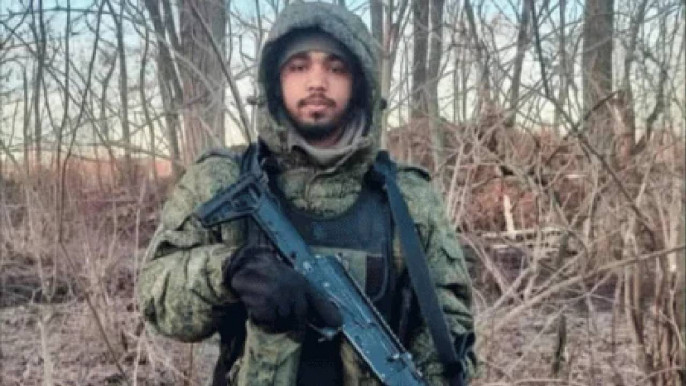
Citizens of Bangladesh and at least 28 other countries have been deceived or coerced into joining Russia’s armed forces through promises of lucrative civilian jobs, according to an updated report by the United Nations Independent International Commission of Inquiry on Ukraine.

The commission found evidence of coordinated international human trafficking networks that allegedly recruited foreign nationals through fraudulent employment offers and pressure tactics before transferring them into Russian military service. Many victims have reportedly been killed, injured, captured or gone missing.

The findings were published on October 26 in an updated report prepared for presentation to the 81st session of the UN General Assembly.

The commission investigated the recruitment of nationals from 48 countries into Russia’s armed forces and found direct evidence of deception and coercion involving citizens of 29 countries. Besides Bangladesh, the countries identified include India, Sri Lanka, Nepal, the Philippines, Ghana, Nigeria, Kenya and Uzbekistan. Victims came from countries across Asia, Africa, Europe and Latin America.

According to the report, all identified victims of trafficking and recruitment fraud were men aged between 18 and 60. Most came from economically disadvantaged backgrounds and had limited educational opportunities. Recruiters allegedly exploited their financial vulnerability by offering attractive salaries and other benefits.

How Bangladeshis Were Recruited

The commission obtained copies of business visas issued to Bangladeshi recruits travelling to Russia. The documents indicated that they had been invited by civilian businesses, concealing the alleged intention to recruit them into the Russian armed forces.

Recruiters advertised civilian jobs through social media and employment agencies, offering positions such as security guards, drivers, mechanics, electricians, construction workers, welders and technicians. The offers often included promises of high salaries, accommodation, Russian citizenship, pensions and other benefits.

Recruitment agents arranged visas, air tickets and accommodation. In some cases, prospective recruits were routed through several countries before reaching Russia.

Fees charged by agents ranged from $400 to $8,000, depending on the country or region. Some recruits paid before leaving their home countries, while others reportedly had the costs deducted from their salaries.

Soon after arriving in Russia, recruits were taken to temporary accommodation and transferred to the Russian armed forces. In many cases, their passports and mobile phones were confiscated, and they were then compelled to sign contracts with Russia’s Defence Ministry.

The contracts were written entirely in Russian, a language many recruits could not understand. Those who refused to sign reportedly faced threats of violence.

The wife of one recruit told the commission that her husband’s passport had been taken away and he was simply instructed where to sign the contract.

“It was written only in Russian,” she said, adding that he had been put under intense pressure and had no alternative.

Sent to the Front Line After Minimal Training

The commission reported that recruits received as little as 20 minutes to several days of basic military training before being deployed to Ukraine. In some cases, training lasted up to a month.

They were assigned dangerous frontline duties, including assaults on Ukrainian positions, advancing against enemy forces, digging trenches, securing captured territory and transporting food and water.

Many were reportedly killed or went missing shortly after deployment. Others were injured or captured. Some recruits said nearly everyone in their groups had died in frontline combat.

Victims and their families have faced significant difficulties obtaining information about recruits’ whereabouts and securing their return home. Contact with relatives frequently stopped after deployment, while recruitment agents allegedly stopped answering calls or blocked their numbers.

Some families learned of their relatives’ deaths through social media, news reports or fellow soldiers.

The disappearances and deaths have caused prolonged emotional distress and financial hardship. Many recruits had left their previous jobs and borrowed money to pay recruitment fees. Their families have also struggled to obtain promised wages or compensation.

UN Commission Identifies Human Trafficking and Rights Violations

The commission characterised the recruitment process as human trafficking, citing alleged deception, fraud, exploitation of financial vulnerability, coercion and the cross-border transfer of individuals for exploitation in military service.

The report identified recurring methods across different countries, including offers of civilian employment, coordinated travel arrangements, misleading visa documentation and forced signing of military contracts after arrival in Russia.

It also documented cases involving foreign nationals who were already living in Russia before being pressured to join the armed forces. Some were reportedly detained by police, while others were imprisoned. Threats of prosecution, solitary confinement, violence or lengthy prison sentences were allegedly used to compel them to sign military contracts.

The commission concluded that the circumstances surrounding recruitment and deployment violated fundamental rights.

The report also clarified that the victims should not be classified as mercenaries. Once incorporated into Russia’s armed forces, they acquired combatant status. If captured or if they surrender, they are therefore entitled to the protections afforded to prisoners of war under the Third Geneva Convention.

UN Calls for Action by Russia and Other Countries

The commission urged Russia to stop recruiting foreign nationals through inducements, deception or coercion. It also recommended that foreign nationals identified as trafficking victims be released from military service without delay and provided with appropriate protection and assistance.

The commission called on Russian authorities to investigate and prosecute individuals involved in the recruitment networks and cooperate with law enforcement agencies in countries that have opened investigations.

Countries whose nationals have been affected were urged to work with Russia to secure their citizens’ release. The commission also recommended investigations into recruitment networks, public awareness campaigns about fraudulent job offers and the treatment of trafficked individuals as victims rather than criminals for having served in the armed forces.

Under international humanitarian law, Ukraine was also urged to coordinate with the home countries of foreign recruits detained as prisoners of war and take appropriate measures concerning their cases.

BRAC Had Previously Raised Concerns

Last year, BRAC’s Migration Programme also expressed concern over the alleged deceptive recruitment of Bangladeshis to fight in the Russia-Ukraine war.

Citing reports published in Bangladeshi media, BRAC said at least 54 Bangladeshis had been killed in the conflict over the preceding years.
Tag :

Please Share This Post in Your Social Media

UN Report: Bangladeshis Among Citizens of 29 Countries Trafficked Into Russia’s Military Through Fake Job Offers

Update Time : 04:39:14 pm, Tuesday, 27 October 2026

Citizens of Bangladesh and at least 28 other countries have been deceived or coerced into joining Russia’s armed forces through promises of lucrative civilian jobs, according to an updated report by the United Nations Independent International Commission of Inquiry on Ukraine.

The commission found evidence of coordinated international human trafficking networks that allegedly recruited foreign nationals through fraudulent employment offers and pressure tactics before transferring them into Russian military service. Many victims have reportedly been killed, injured, captured or gone missing.

The findings were published on October 26 in an updated report prepared for presentation to the 81st session of the UN General Assembly.

The commission investigated the recruitment of nationals from 48 countries into Russia’s armed forces and found direct evidence of deception and coercion involving citizens of 29 countries. Besides Bangladesh, the countries identified include India, Sri Lanka, Nepal, the Philippines, Ghana, Nigeria, Kenya and Uzbekistan. Victims came from countries across Asia, Africa, Europe and Latin America.

According to the report, all identified victims of trafficking and recruitment fraud were men aged between 18 and 60. Most came from economically disadvantaged backgrounds and had limited educational opportunities. Recruiters allegedly exploited their financial vulnerability by offering attractive salaries and other benefits.

How Bangladeshis Were Recruited

The commission obtained copies of business visas issued to Bangladeshi recruits travelling to Russia. The documents indicated that they had been invited by civilian businesses, concealing the alleged intention to recruit them into the Russian armed forces.

Recruiters advertised civilian jobs through social media and employment agencies, offering positions such as security guards, drivers, mechanics, electricians, construction workers, welders and technicians. The offers often included promises of high salaries, accommodation, Russian citizenship, pensions and other benefits.

Recruitment agents arranged visas, air tickets and accommodation. In some cases, prospective recruits were routed through several countries before reaching Russia.

Fees charged by agents ranged from $400 to $8,000, depending on the country or region. Some recruits paid before leaving their home countries, while others reportedly had the costs deducted from their salaries.

Soon after arriving in Russia, recruits were taken to temporary accommodation and transferred to the Russian armed forces. In many cases, their passports and mobile phones were confiscated, and they were then compelled to sign contracts with Russia’s Defence Ministry.

The contracts were written entirely in Russian, a language many recruits could not understand. Those who refused to sign reportedly faced threats of violence.

The wife of one recruit told the commission that her husband’s passport had been taken away and he was simply instructed where to sign the contract.

“It was written only in Russian,” she said, adding that he had been put under intense pressure and had no alternative.

Sent to the Front Line After Minimal Training

The commission reported that recruits received as little as 20 minutes to several days of basic military training before being deployed to Ukraine. In some cases, training lasted up to a month.

They were assigned dangerous frontline duties, including assaults on Ukrainian positions, advancing against enemy forces, digging trenches, securing captured territory and transporting food and water.

Many were reportedly killed or went missing shortly after deployment. Others were injured or captured. Some recruits said nearly everyone in their groups had died in frontline combat.

Victims and their families have faced significant difficulties obtaining information about recruits’ whereabouts and securing their return home. Contact with relatives frequently stopped after deployment, while recruitment agents allegedly stopped answering calls or blocked their numbers.

Some families learned of their relatives’ deaths through social media, news reports or fellow soldiers.

The disappearances and deaths have caused prolonged emotional distress and financial hardship. Many recruits had left their previous jobs and borrowed money to pay recruitment fees. Their families have also struggled to obtain promised wages or compensation.

UN Commission Identifies Human Trafficking and Rights Violations

The commission characterised the recruitment process as human trafficking, citing alleged deception, fraud, exploitation of financial vulnerability, coercion and the cross-border transfer of individuals for exploitation in military service.

The report identified recurring methods across different countries, including offers of civilian employment, coordinated travel arrangements, misleading visa documentation and forced signing of military contracts after arrival in Russia.

It also documented cases involving foreign nationals who were already living in Russia before being pressured to join the armed forces. Some were reportedly detained by police, while others were imprisoned. Threats of prosecution, solitary confinement, violence or lengthy prison sentences were allegedly used to compel them to sign military contracts.

The commission concluded that the circumstances surrounding recruitment and deployment violated fundamental rights.

The report also clarified that the victims should not be classified as mercenaries. Once incorporated into Russia’s armed forces, they acquired combatant status. If captured or if they surrender, they are therefore entitled to the protections afforded to prisoners of war under the Third Geneva Convention.

UN Calls for Action by Russia and Other Countries

The commission urged Russia to stop recruiting foreign nationals through inducements, deception or coercion. It also recommended that foreign nationals identified as trafficking victims be released from military service without delay and provided with appropriate protection and assistance.

The commission called on Russian authorities to investigate and prosecute individuals involved in the recruitment networks and cooperate with law enforcement agencies in countries that have opened investigations.

Countries whose nationals have been affected were urged to work with Russia to secure their citizens’ release. The commission also recommended investigations into recruitment networks, public awareness campaigns about fraudulent job offers and the treatment of trafficked individuals as victims rather than criminals for having served in the armed forces.

Under international humanitarian law, Ukraine was also urged to coordinate with the home countries of foreign recruits detained as prisoners of war and take appropriate measures concerning their cases.

BRAC Had Previously Raised Concerns

Last year, BRAC’s Migration Programme also expressed concern over the alleged deceptive recruitment of Bangladeshis to fight in the Russia-Ukraine war.

Citing reports published in Bangladeshi media, BRAC said at least 54 Bangladeshis had been killed in the conflict over the preceding years.