Dhaka 11:45 pm, Tuesday, 27 October 2026

Traders Propose Tk 14 Per Litre Soybean Oil Price Hike Ahead of Ramadan

Reporter Name
  • Update Time : 04:45:12 pm, Tuesday, 27 October 2026
  • / 16 Time View

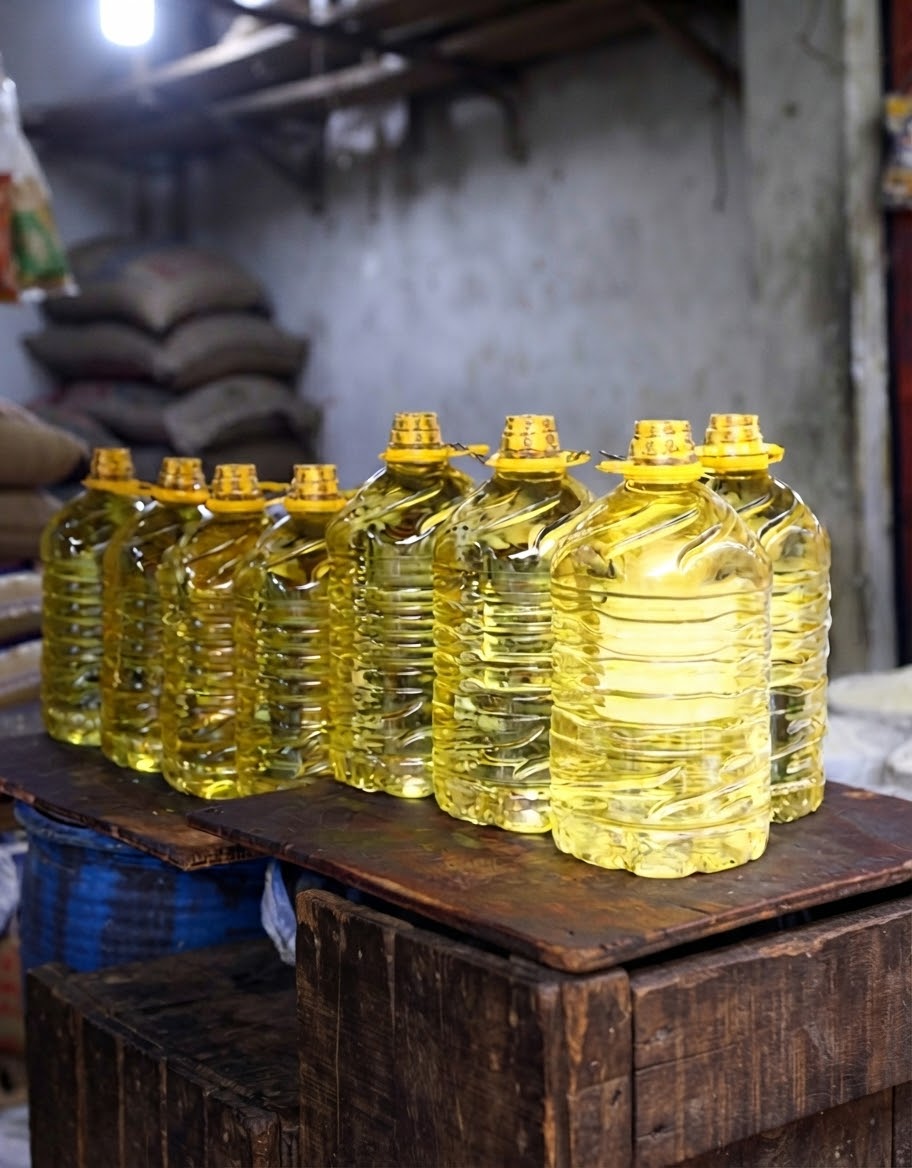
Traders in Bangladesh have proposed increasing the price of soybean oil by Tk 14 per litre ahead of the upcoming Ramadan, citing rising international prices and transportation costs. Meanwhile, date importers have urged the government to grant customs duty concessions to help keep the fruit affordable during the holy month.

The proposals were raised at a meeting with Commerce Minister Khandaker Abdul Muktadir on Monday to review import preparations, supply challenges and prices of essential commodities ahead of Ramadan, according to meeting sources.

The Commerce Ministry has not yet made a decision on the proposed soybean oil price increase. Officials said the request for duty concessions on dates would be discussed with the National Board of Revenue (NBR).

On September 2, the price of bottled soybean oil was increased by Tk 5 per litre to Tk 204. Prices of loose soybean oil and palm oil remained unchanged.

Former Commerce Secretary Md Ataur Rahman Khan announced the earlier increase, citing higher global edible oil prices and rising transportation costs. Importers had sought a larger increase, while the Bangladesh Trade and Tariff Commission recommended a Tk 10 rise per litre.

Asked at the time whether edible oil prices would rise again before Ramadan, Khan said any decision would depend on market conditions.

Date Importers Seek Tax Relief

At Monday’s meeting, importers said dates currently attract approximately 55 per cent in duties and taxes. They argued that high customs valuation rates, combined with rising transportation costs, were increasing the overall cost of imports.

Importers also pointed to logistical disruptions linked to instability in the Middle East. The need to transport goods through alternative routes has increased freight and supply costs, they said. Continued difficulties in opening letters of credit (LCs) could further disrupt supplies.

The commerce minister called for a transparent and reasonable customs structure that reflects differences in the varieties, quality and prices of dates.

Bangladesh imports dates of varying quality from around a dozen countries, including Egypt, Saudi Arabia, Iraq and Algeria. Applying the same customs valuation to all varieties could create complications, he said.

Importers called for duties to be calculated according to the actual quality and market price of dates rather than fixed customs valuation rates. They argued that assigning higher values than the actual prices of lower-grade dates increases the tax burden and overall import costs.

They also called for a more flexible tax system for imported fruit, warning that high duties could push prices beyond the reach of ordinary consumers.

Although the NBR is responsible for determining import duties, participants at the meeting stressed the need for coordination among relevant government agencies.

Government Reviews Existing Duty Concessions

The meeting also discussed the need to implement existing duty concessions for date imports promptly.

Officials said internal preparations related to the concessions had already been completed. The relevant authorities assured importers that steps would be taken to address the problems raised during the meeting.

With Ramadan approaching, the proposed soybean oil price increase and the demand for lower import duties on dates are likely to remain important issues in Bangladesh’s efforts to manage the cost and availability of essential food items.

Tag :

Please Share This Post in Your Social Media

Traders Propose Tk 14 Per Litre Soybean Oil Price Hike Ahead of Ramadan

Update Time : 04:45:12 pm, Tuesday, 27 October 2026

Traders in Bangladesh have proposed increasing the price of soybean oil by Tk 14 per litre ahead of the upcoming Ramadan, citing rising international prices and transportation costs. Meanwhile, date importers have urged the government to grant customs duty concessions to help keep the fruit affordable during the holy month.

The proposals were raised at a meeting with Commerce Minister Khandaker Abdul Muktadir on Monday to review import preparations, supply challenges and prices of essential commodities ahead of Ramadan, according to meeting sources.

The Commerce Ministry has not yet made a decision on the proposed soybean oil price increase. Officials said the request for duty concessions on dates would be discussed with the National Board of Revenue (NBR).

On September 2, the price of bottled soybean oil was increased by Tk 5 per litre to Tk 204. Prices of loose soybean oil and palm oil remained unchanged.

Former Commerce Secretary Md Ataur Rahman Khan announced the earlier increase, citing higher global edible oil prices and rising transportation costs. Importers had sought a larger increase, while the Bangladesh Trade and Tariff Commission recommended a Tk 10 rise per litre.

Asked at the time whether edible oil prices would rise again before Ramadan, Khan said any decision would depend on market conditions.

Date Importers Seek Tax Relief

At Monday’s meeting, importers said dates currently attract approximately 55 per cent in duties and taxes. They argued that high customs valuation rates, combined with rising transportation costs, were increasing the overall cost of imports.

Importers also pointed to logistical disruptions linked to instability in the Middle East. The need to transport goods through alternative routes has increased freight and supply costs, they said. Continued difficulties in opening letters of credit (LCs) could further disrupt supplies.

The commerce minister called for a transparent and reasonable customs structure that reflects differences in the varieties, quality and prices of dates.

Bangladesh imports dates of varying quality from around a dozen countries, including Egypt, Saudi Arabia, Iraq and Algeria. Applying the same customs valuation to all varieties could create complications, he said.

Importers called for duties to be calculated according to the actual quality and market price of dates rather than fixed customs valuation rates. They argued that assigning higher values than the actual prices of lower-grade dates increases the tax burden and overall import costs.

They also called for a more flexible tax system for imported fruit, warning that high duties could push prices beyond the reach of ordinary consumers.

Although the NBR is responsible for determining import duties, participants at the meeting stressed the need for coordination among relevant government agencies.

Government Reviews Existing Duty Concessions

The meeting also discussed the need to implement existing duty concessions for date imports promptly.

Officials said internal preparations related to the concessions had already been completed. The relevant authorities assured importers that steps would be taken to address the problems raised during the meeting.

With Ramadan approaching, the proposed soybean oil price increase and the demand for lower import duties on dates are likely to remain important issues in Bangladesh’s efforts to manage the cost and availability of essential food items.